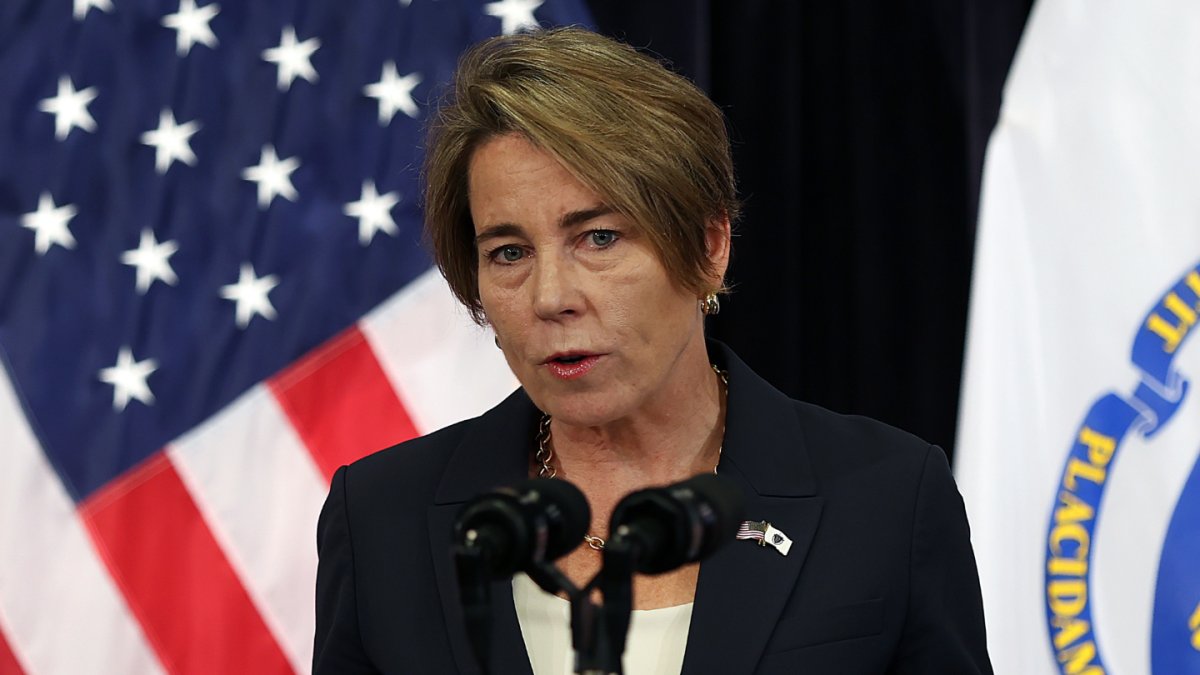
Massachusetts Governor Maura Healey signed an emergency preamble on Friday, a decisive move that forces a new, expansive abortion law to take effect immediately. By invoking this power, the governor has effectively blocked efforts by opponents to suspend the statute while they continue their campaign to place a repeal question on the 2028 ballot, as reported by NBC Boston.
The law, which removes specific criteria for abortions performed at or beyond 24 weeks, was originally scheduled to take effect this Sunday, November 9. The emergency filing, submitted to Secretary of State William Galvin’s office, ensures that the policy remains in force for the next two years, regardless of ongoing petition efforts. Governor Healey stated that the action was necessary to address a public health emergency, noting that any further delay would only prolong uncertainty for families, physicians, and health care institutions.
The Impact on Patient Access
The legislation, known as the Prioritizing Patient Access to Care Act, shifts the legal standard for late-term abortions away from specific life-threatening criteria and toward the medical judgment of the provider. Proponents of the law, including Reproductive Equity Now, argue that the delay has already caused tangible harm. According to the organization’s state director, Kathleen Melendy, at least nine patients facing complex pregnancy complications were denied care in Massachusetts while waiting for the law to be implemented.
The Massachusetts Medical Society, led by president Dr. Rebecca Brendel, has publicly supported the governor’s decision.
Physicians bear the responsibility to make complex, individualized clinical treatment recommendations based on scientific evidence, established standards of care, and circumstances unique to our patients. Decisions regarding abortion care later in pregnancy should be no different.
The Road to the 2028 Ballot
While the governor’s action prevents an immediate suspension of the law, the battle at the ballot box is far from over. The Compassionate Care Coalition, a group led by Massachusetts Citizens for Life and Massachusetts Family Action, successfully gathered 113,477 certified signatures—well exceeding the 37,289 required for a ballot question and the 49,719 needed to pause the law’s enactment, as detailed by WGBH.

Sam Miele, chair of the coalition, expressed strong opposition to the emergency declaration. He argued that the new law allows for abortions of viable fetuses that pose no threat to the mother’s life, and he challenged the governor to justify the “emergency” designation. Miele characterized the move as an attempt to bypass the democratic process, telling WGBH that the coalition remains focused on the 2028 referendum.
Precedent and Political Friction
This is not the first time Governor Healey has utilized an emergency preamble to bypass a potential referendum. She took similar action two years ago regarding new firearms restrictions, a move that also drew sharp criticism from opponents who accused her of interfering with the legislative process. Despite that controversy, voters ultimately chose to uphold the firearms law in a subsequent election, suggesting that the governor’s strategy carries significant political risk and reward.
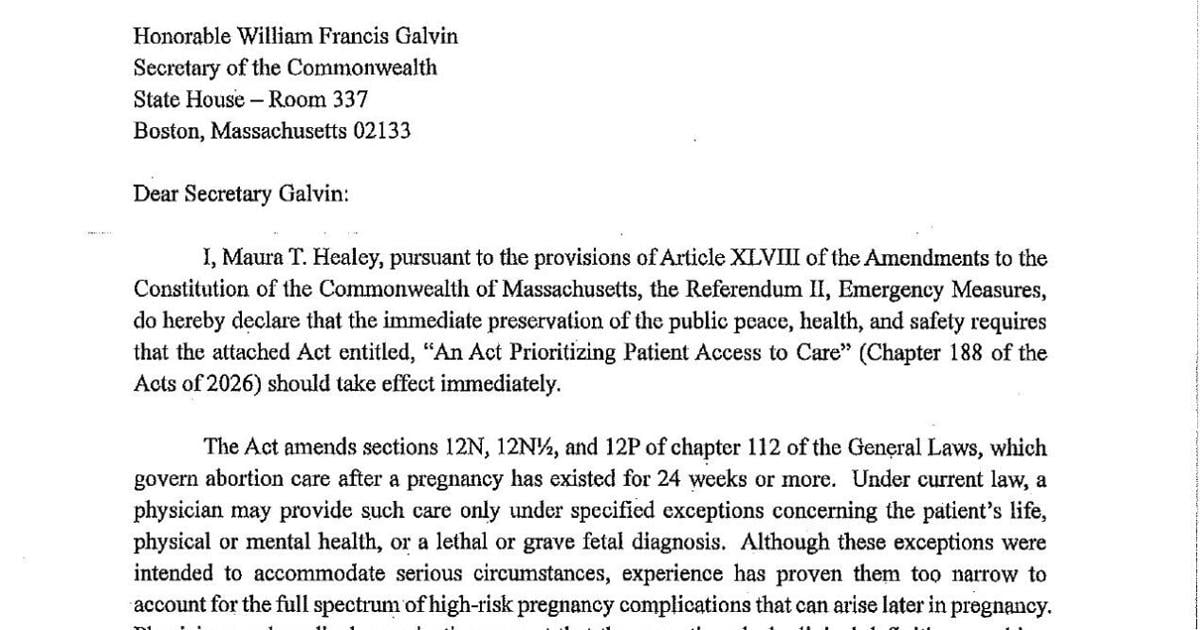
For now, the legal landscape in Massachusetts has shifted. The state’s previous statute, which restricted abortions after 24 weeks unless the parent’s health was at risk or there was a lethal diagnosis for the fetus, has been replaced. As the repeal campaign continues its signature verification process, the focus turns to whether the 2028 electorate will support the governor’s stance on reproductive rights or move to rescind the new protections.
Keep reading

KC Book Fair supports Lead to Read KC and local literacy efforts
Kansas City adults reclaim the childhood tradition of the school book fair For decades, the Scholastic Book Fair...

Lansing Detox Center Offers 24-Hour Supervised Medical Withdrawal Support
Lansing’s Recovery Center Adds 10-Bed Capacity for Short-Term Stabilization A new resource for individuals navigating the early stages...

Tim Bailey Named Maine Golf 2026 Volunteer of the Year
Tim Bailey Named Maine Golf Volunteer of the Year The quiet, essential work that keeps Maine’s golf community...

Jonathan Shi on LSU’s partnership with the construction industry
For more than a decade, the construction industry in Louisiana has been in a quiet, high-stakes arms race....