
Democrats secure Pennsylvania trifecta
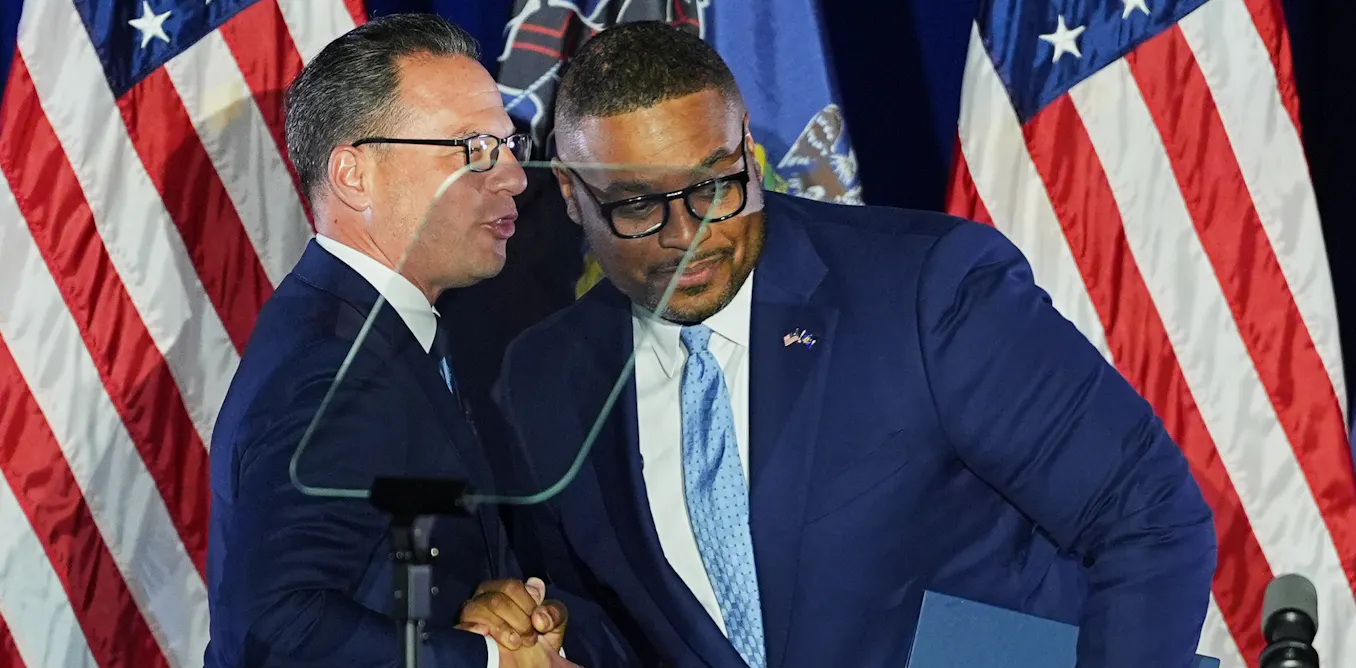
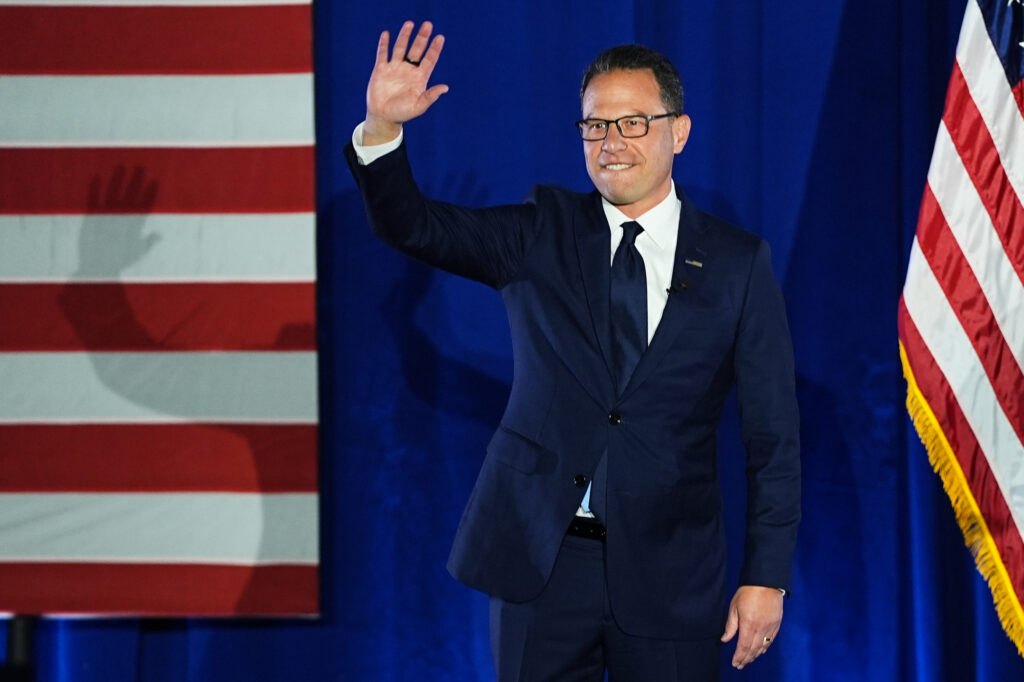
Governor Josh Shapiro has secured a decisive victory in the 2026 midterm elections, marking a significant shift in the political landscape of Harrisburg.
According to reports from The Conversation and the Bucks County Beacon, Shapiro handily defeated Republican challenger Stacy Garrity, the current state treasurer.
The election results suggest a broader sweep for the Democratic Party. While Democrats are expected to expand their existing majority in the state House, they appear to have flipped the state Senate with a 26-24 margin. This outcome provides Shapiro with a coveted party trifecta, granting single-party control over the governor’s office and both chambers of the General Assembly.
This shift comes after more than 30 years of intermittent control by Democrats in the state government. The new political alignment sets the stage for a legislative agenda that has been stalled by divided government for years.
Legislative priorities take center stage
With the political fault lines now clearly defined for the next two years, several key policy areas are expected to move to the forefront of the state’s agenda. Election reform remains a perennial priority in Pennsylvania, a movement that gained momentum following the 2019 passage of Act 77 and the subsequent 2020 election cycle.
Democratic priorities in election law include several specific measures. These involve requiring counties to utilize ballot drop boxes, maintaining no-excuse mail-in voting, and establishing clear rules for ballot curing to prevent valid votes from being invalidated.
Democrats are pushing for precanvassing to accelerate the counting of absentee ballots and allowing independents to participate in open primary elections. Under the new Senate majority, these measures may now pass without the need for concessions to Republican demands for stricter voter ID requirements.
The legalization of adult-use recreational marijuana is another major looming decision. While the House passed a legalization bill in 2025, many details are unresolved. Democrats have previously indicated that legalization would be a priority if they secured the Senate in 2026.
Discussions regarding the structure of the marijuana market continue to diverge. Some Democratic-sponsored bills favor private dispensaries, while others propose a state-run model similar to Pennsylvania’s alcohol sales. Social equity remains a central component of these debates, with proposals including the expungement of past convictions, dedicated licenses for minority dispensary owners, and the reinvestment of cannabis tax revenues into affected communities.
Economic and social pressures
Voter concerns regarding affordability heavily influenced the 2026 election results. To address this, Democrats have introduced an “Affordability Action Plan” that includes property tax and rent rebates, enhanced housing protections for underserved communities, and increased funding for food and energy security.
The state's minimum wage is a key part of this economic puzzle. Since taking control of the House in 2023, Democrats have sought to increase the current $7.25 hourly wage.
A bill passed by the House in March 2026 proposed a gradual increase to $11 in 2027, $13 in 2028, and $15 in 2029, followed by annual cost-of-living adjustments. Because state law prohibits Philadelphia from setting its own minimum wage, the passage of such a bill at the state level is critical for workers in the city.
The legal landscape regarding civil rights is also expected to see movement. While the 2015 Supreme Court decision in Obergefell v. Hodges established marriage equality, recent judicial shifts have renewed concerns regarding existing precedents. Pennsylvania’s statutory definition of marriage still refers to “one man and one woman,” though a bipartisan House majority attempted to change this language to “two individuals” in 2026.
Pennsylvania does not currently include LGBTQ individuals in its state nondiscrimination protections. A 2026 House bill aimed to add sexual orientation and gender identity to the Human Relations Act, but the legislation failed to pass the Senate. Democrats are expected to revisit this effort in 2027.
Managing the technology boom
As the state grapples with social and economic shifts, it is also facing the rapid expansion of the digital economy. The House has already moved to regulate artificial intelligence and the build-out of data centers across the commonwealth.
Proposed regulations include mandates for warnings on advertisements created using AI. Legislators are also targeting the impact of these technologies on energy costs, water usage, and local government authority. The debate over AI policy has been further intensified by criticism regarding AI-generated advertisements used during the recent Garrity campaign.
| Policy Area | Key Democratic Objective | Status/Context |
|---|---|---|
| Minimum Wage | Increase from $7.25 to $15 by 2029 | Passed House in March 2026 |
| Marijuana | Adult-use recreational legalization | House passed bill in 2025 |
| Marriage Law | Update statutory definition to “two individuals” | Bipartisan attempt in 2026 |
| Nondiscrimination | Add LGBTQ protections to Human Relations Act | Passed House; died in Senate |
The transition to a Democratic trifecta provides the party with unprecedented leverage, yet the complexity of these issues suggests that the legislative session will be defined by difficult trade-offs. The administration must now decide which of these long-standing demands to prioritize and which to leave behind.
Worth a look
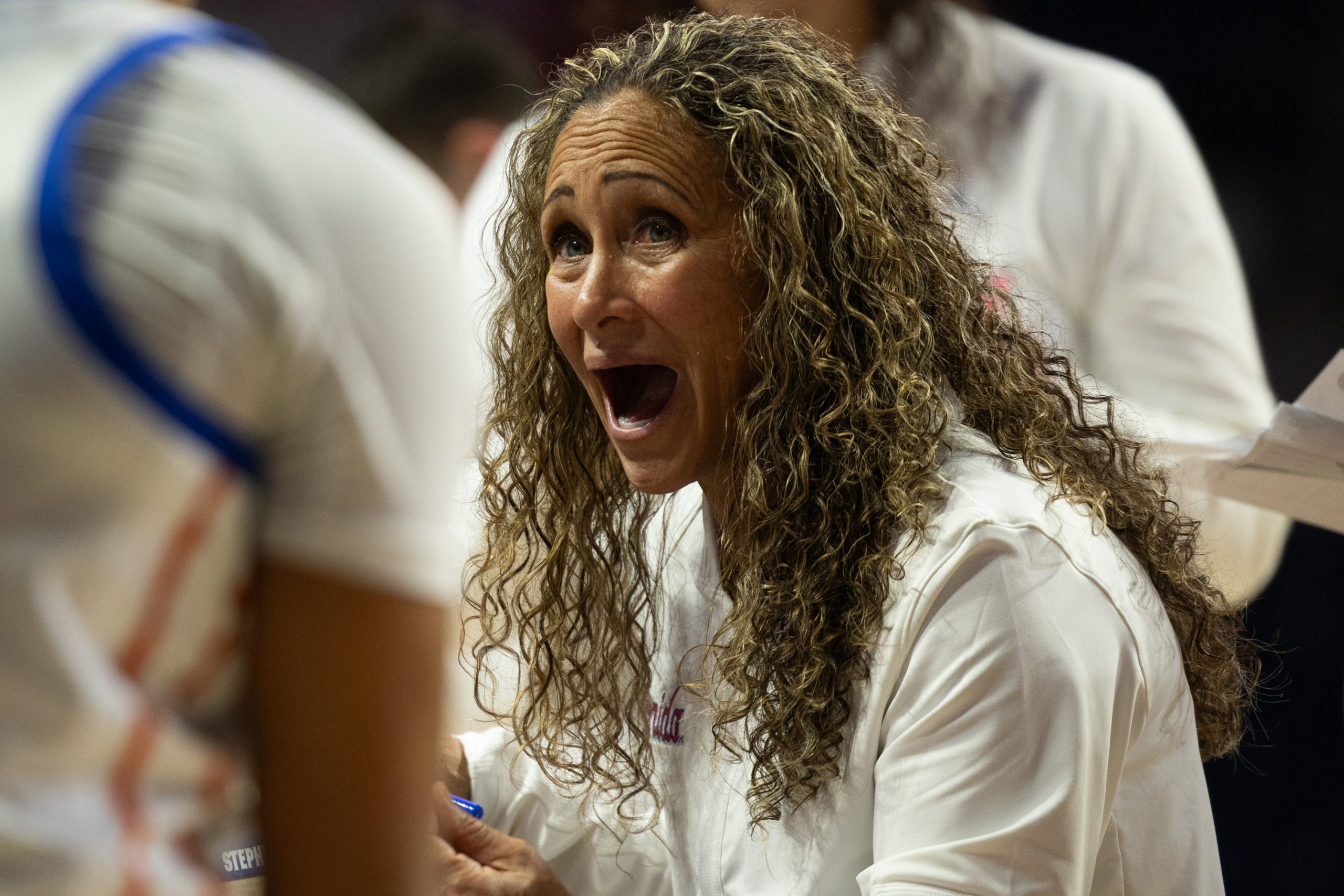
Vivian Iwuchukwu Leads Florida Past Chattanooga 64-58
Vivian Iwuchukwu scored 19 points to lead the Florida women's basketball team to a 64-58 win over Chattanooga...

Community Science Expands Oklahoma Water Quality Monitoring
Community members across Oklahoma have begun conducting independent water testing to address significant deficiencies in the state's environmental...

Jury Trial Begins for Columbus Woman Accused of Killing 5-Year-Old
A jury trial is now underway in the Franklin County Court of Common Pleas for a Columbus woman...

Missouri Democrats Flip 16 State House Seats Amidst Blue Wave
Missouri Democrats achieved their best electoral performance of the 21st century by flipping 16 state House seats and...