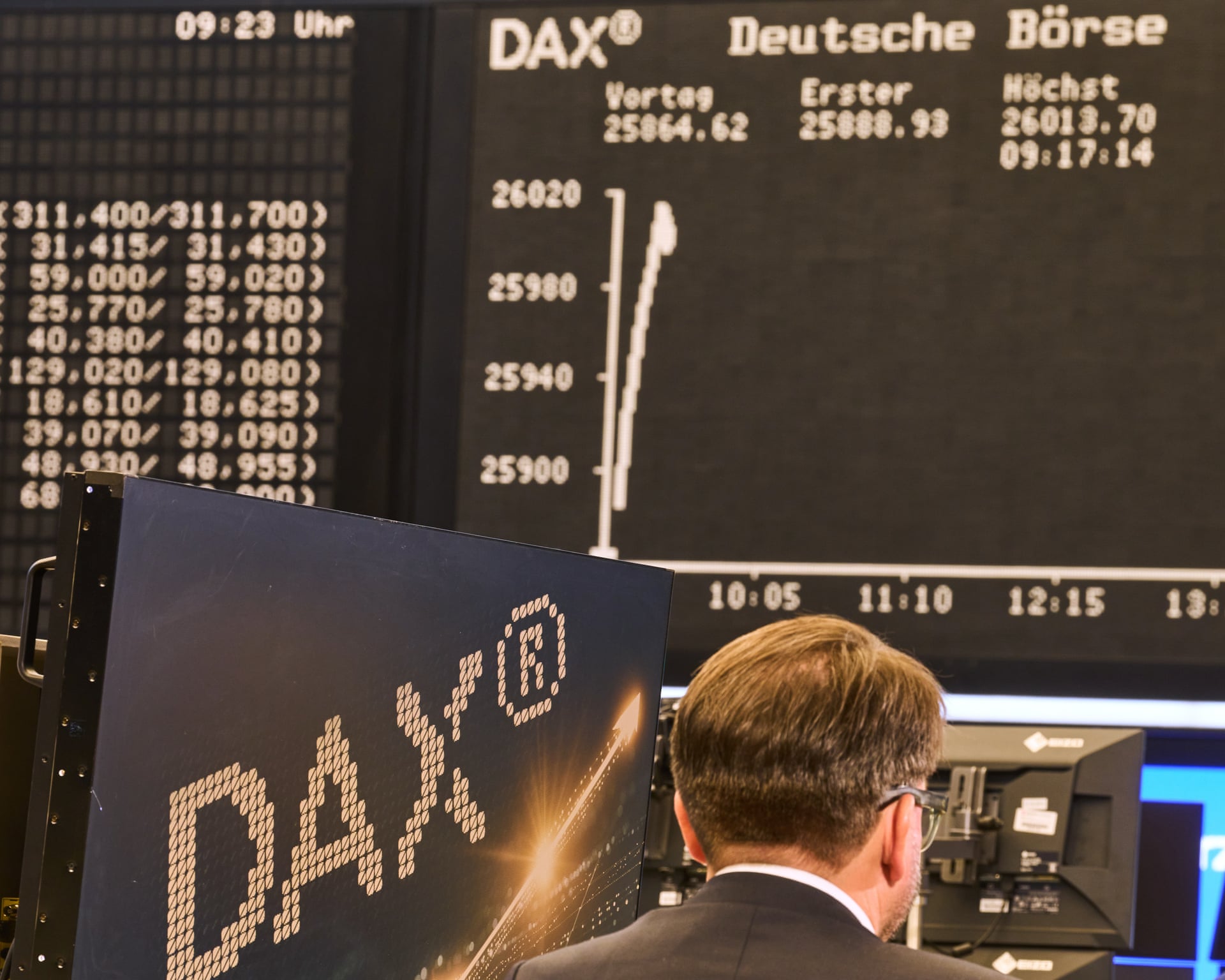
On Wednesday, Democrats swept the U.S. midterm elections. Eastern, Wall Street staged its sharpest rally in over a year after Democrats seized control of both the House of Representatives and the Senate in Tuesday’s midterm elections, reducing President Donald Trump to a lame duck with two years left in office. The Dow Jones Industrial Average surged 1,511 points, or 2.9%, back above 53,000 for the first time since September 8, while Brent crude oil plunged as much as 9% to trade near $94 a barrel, below $100 for the first time in a month, as investors priced in hopes of de-escalation in the Iran war.
The Guardian reported that the Democratic victory puts the global economy on notice for an unpredictable final two years of the Trump presidency, with analysts warning of significant implications for financial markets, growth, inflation, government borrowing costs, and living standards worldwide.
-
The Bottom Line:
- Brent crude dropped roughly 9% to about $94 a barrel, signaling market bets on a diplomatic breakthrough in Iran that could ease the energy-driven inflation shock that cost Republicans Congress.
- The Dow Jones jumped 1,511 points (2.9%) on “gridlock is good” sentiment, but AI and data-center stocks lagged as Democrats signaled tougher regulation.
- With Republicans unable to confirm new Fed governors, the central bank is expected to deliver at least one more rate hike as US inflation holds at 3.7%.
The $94 Oil Signal: Why Crude Is the Canary in the Coal Mine
The single most important number in Wednesday’s session was the 9% collapse in Brent crude to roughly $94 a barrel, down from a prewar level of about $70. The Guardian noted that the closure of the Strait of Hormuz during the US-Israeli invasion of Iran triggered the biggest energy price shock of the modern age, reigniting global inflationary pressures and pushing the IMF to forecast global headline inflation of 4.7% this year. CNBC quoted Peter Boockvar, chief investment officer at One Point BFG Wealth Partners, saying,
“There’s just going to be even more pressure to end the war.”
The American people have obviously expressed their displeasure with inflation and the price of gasoline, amongst other things, and maybe this just pushes for an end to it.” Peter Boockvar
Post-midterms, three political dynamics will influence the economic and market outlook: How will Republicans come together between Election Day and the seating of the next Congress to pass what they consider priority legislation before relinquishing their majority? Which…
That oil move matters because it sits at the intersection of war, inflation, and interest rates. US headline inflation has climbed to 3.7%, and diesel prices hit a record high in August, costs that helped drive the Democratic sweep.
What Gridlock Means for Your 401(k) and Your Grocery Bill
The Dow’s 2.9% gain and the S&P 500’s 1.8% rise suggest institutional investors welcome divided government, since history shows the S&P 500 was higher a year after all 20 midterms since 1946, with an average gain of about 14%, according to Yahoo Finance. Andrew Slimmon of Morgan Stanley Investment Management captured the mood, telling CNBC that markets
“like gridlock — they don’t like a party with too much power.” Andrew Slimmon
Polymarket: 87% probability of a Democrat sweep tonight in the Midterms (winning back the House & the Senate), the highest odds to date. "It's the inflation, stupid." pic.twitter.com/EzloZz7KGH
But the same gridlock that soothes Wall Street can freeze fiscal relief for Main Street. The Guardian reported that the logjammed political system faces its first major test on December 11, when politicians must authorize government spending to avoid a shutdown. With Republicans lacking the votes to confirm new appointments to critical bodies including Fed governors, and Trump reduced to a “Mr Veto” posture, new tax and spending measures are unlikely. That cuts both ways: it limits fiscal stimulus that could boost growth, but also caps further rises in borrowing and debt that would eventually hit taxpayers.
Texas Moratorium Sparks Stock Reactions
Meanwhile, higher inflation has forced central banks to tighten. The Federal Reserve defied pressure from Trump by raising borrowing costs for the first time since 2023, and investors anticipate at least one more increase. The Bank of England and European Central Bank are also expected to hike. Holger Schmieding, chief economist at Berenberg, told The Guardian that the midterm result showed voters
“rejected Trump and his somewhat authoritarian penchant for crony capitalism. That shows that US institutions and its checks and balances work. That is a positive, in my view.”

Gridlock Forecasts Economic Slowdown
Looking ahead, analysts at Berenberg forecast US growth could slow to about 1.5% in 2028 amid political gridlock, an AI slowdown, and the drag from Trump’s immigration crackdown, down from the IMF’s current 2.3% forecast for this year. Jacob Funk Kirkegaard of the Peterson Institute for the International Economics told DW, “I think we are looking at two years of complete 100% gridlock. Nothing will get done of any kind.” For investors, the trajectory now hinges on whether Trump escalates or de-escalates the Iran war, whether Democrats move on AI regulation, and whether Congress can fund the government past December 11 without a shutdown. The oil price, trading at about $94, remains significantly higher than its prewar level.
Disclaimer: The information provided in this article is for educational and market analysis purposes only and does not constitute financial, investment, or legal advice. Always consult with a certified financial professional before making investment decisions.
A double whammy this morning for hardline Republicans in finance that most did not anticipate: Democrats secured majorities in both houses of Congress, AND stocks opened solidly higher while oil prices and bond yields fell. It's important for Republicans to not repeat the mistake… pic.twitter.com/lav94QT0En
More on Democrats
Worth a look

Idaho Democrats Pick up six legislative seats, unofficial results show
As a blue wave swept congressional midterm races across the country on Tuesday, Democrats in Idaho flipped six...

3 Industrial Giants With Record Backlogs and Growing Dividends
Three industrial giants posted their strongest order books on record this week, and the numbers paint a clear...

Democrats on track to gain six seats in Hawaii Legislature as five Republicans trail
Heading into Tuesday night, Hawaii Republicans were bracing for a difficult midterm cycle without a presidential race at...

Hartford, Sumner reject RSU 10 withdrawal despite Buckfield approval
Buckfield residents voted 599-538 on Tuesday in favor of withdrawing from Regional School Unit 10, but the effort...