
A Letter from Augusta and a Four-Dollar Lesson
The history of golf is often written in major championships and trophy counts, but the most enduring stories frequently live in the margins—in the letters exchanged, the favors granted, and the quiet gestures made when the cameras are turned off.
For Dermot Gilleece, the veteran golf correspondent who covered the sport for The Irish Times between 1981 and 2001, these moments form the backbone of his new book, Stories from the Golfing Log: Tales of Triumph, Tragedy and the 19th Hole.
The collection acts as a bridge between the golden era of Irish golf journalism and a modern audience, pulling from decades of weekly columns that once defined the sport’s coverage. As Gilleece notes, he has revisited and expanded these pieces, moving beyond simple archives to provide a deeper human context to his reporting.
The result is a narrative that feels less like a historical record and more like an invitation to sit down and hear a master storyteller recount the long shots that actually paid off.
The Long Shot to Butler Cabin
One of the most remarkable tales in the book centers on Liam O’Doherty, a fan who, in the autumn of 1996, harbored a seemingly impossible dream: securing two tickets to the Masters at Augusta National as a birthday gift for his brother.
At the time, Gilleece was recovering from heart bypass surgery in the Blackrock Clinic. His initial instinct, forged by years of hearing similar pleas, was to offer a reality check—noting that a trip to Augusta usually required a substantial budget and a stroke of immense luck.
Instead, Gilleece chose to intervene. He pointed O’Doherty toward Charlie Yates, a long-time member of Augusta National who had once famously defeated Cecil Ewing in the 1938 British Amateur Championship at Royal Troon. Yates, who had served as the Masters’ director of media communications, became the bridge between an Irish fan and the hallowed grounds of Georgia.
The result was not just attendance, but a front-row seat to history: the brothers were invited as Yates’s personal guests to the 1997 Masters, where they gained access to the Butler Cabin to witness Tiger Woods’s first green jacket.
The Golden Bear’s Class Act
The book’s appeal extends to younger generations of golfers, largely through chapters that humanize the giants of the game. A standout example is the story titled “Garth and The Bear,” which documents the experience of Irish amateur Garth McGimpsey.
After winning the Amateur Championship at Royal Dornoch in 1985, McGimpsey earned a spot in the Masters field. His father, Hal, displayed remarkable foresight, writing to Jack Nicklaus to request a practice round.

The request was granted, leading to a meeting on the putting green at Augusta in 1986, the same year Nicklaus famously captured his sixth Masters title. The connection didn’t end with the practice round.
As Gilleece recounts, McGimpsey received a letter from Nicklaus shortly after returning home, accompanied by a check for four dollars. The accompanying note was a class act of sportsmanship, with Nicklaus writing “for getting beat at Augusta National” on the check, while expressing hope that the gesture wouldn’t compromise McGimpsey’s amateur status.
“Despite all the pressures and excitement of Jack’s historic win, he still found the time to write to me,” McGimpsey told Gilleece for the book. “Attached to a very warm letter which told me how much he had enjoyed my company was an enclosed cheque for four dollars…
I was a huge fan of his growing up and, as if I needed this latest proof, here was further evidence of Jack showing himself to be really a class act.”
Beyond the Fairways
Gilleece’s collection also highlights stories that transcend the technicalities of the sport, focusing on the people who make it meaningful. He writes of the twin brothers Joe and Matt Kelly, both priests and members of Royal Dublin Golf Club, who celebrated 70 years in the priesthood earlier this year.
Gilleece’s relationship with the pair began simply enough—he would bring Fr. Joe a Masters program every year—but it grew into a deep respect for their contribution to the game and their community.
When asked why he continues to revisit these accounts, Gilleece suggests it is about keeping the mind active and ensuring these human connections aren’t lost to time.
From the logistical feat of a fan reaching Butler Cabin to the quiet generosity of a legend like Nicklaus, the book shows that the most important moments in sports are rarely about the score. They are about the people who, for a brief moment, found themselves part of the same story.
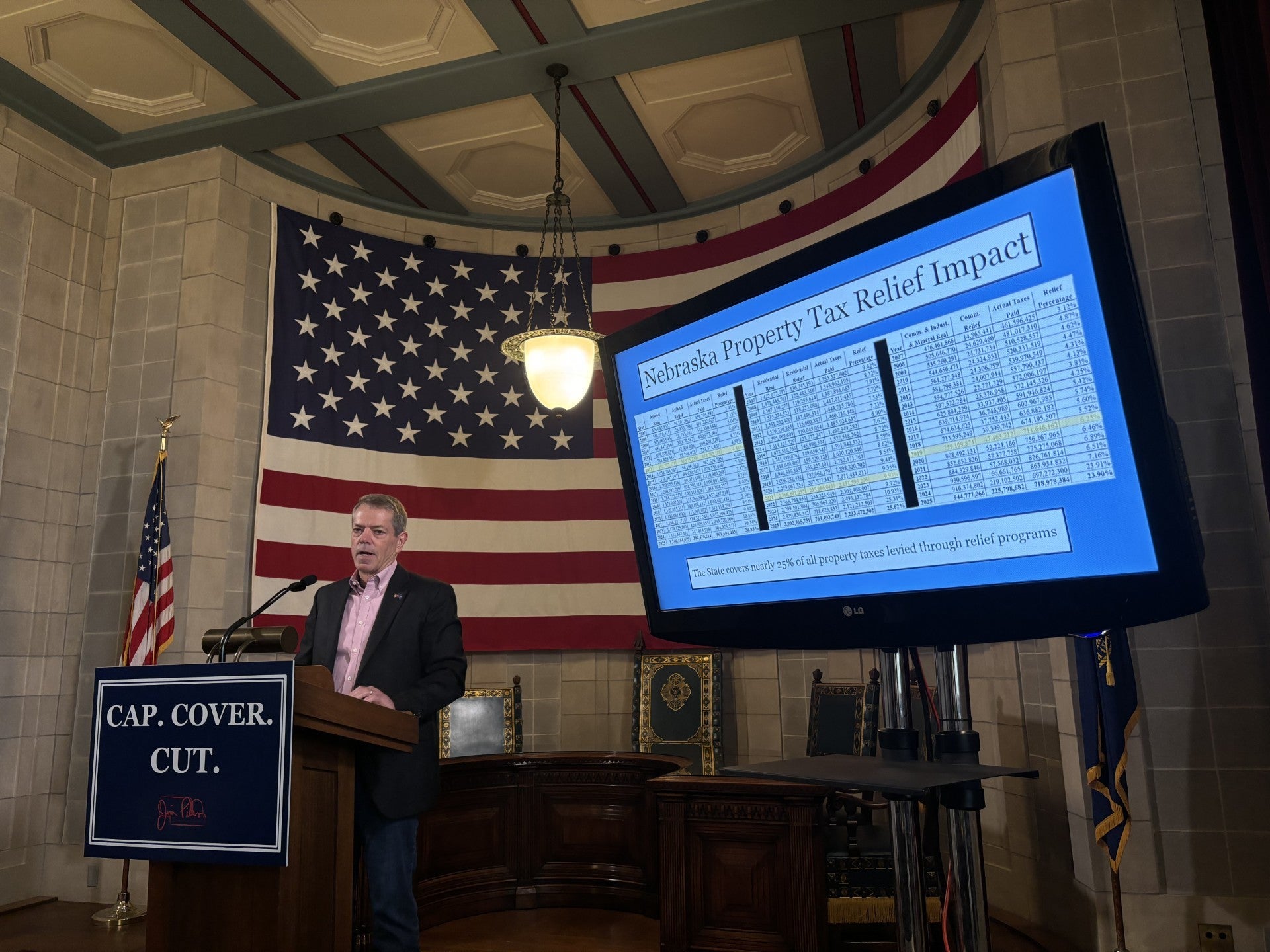
Gov. Pillen Proposes ‘Cap, Cover, Cut’ Strategy for Property Tax Reform
Following the results of Tuesday’s election, Nebraska Governor Jim Pillen changed the state's approach to property tax reform....
Patrick Mahomes Celebrates Kansas City Current NWSL Semifinal Win
Patrick Mahomes has found a moment of celebration away from the gridiron as the Kansas City Current, the...

Scott Colom’s Mississippi Senate Race Hangs on Final Ballot Count
As the sun rises over Jackson this morning, the political future of Mississippi remains suspended in the quiet,...
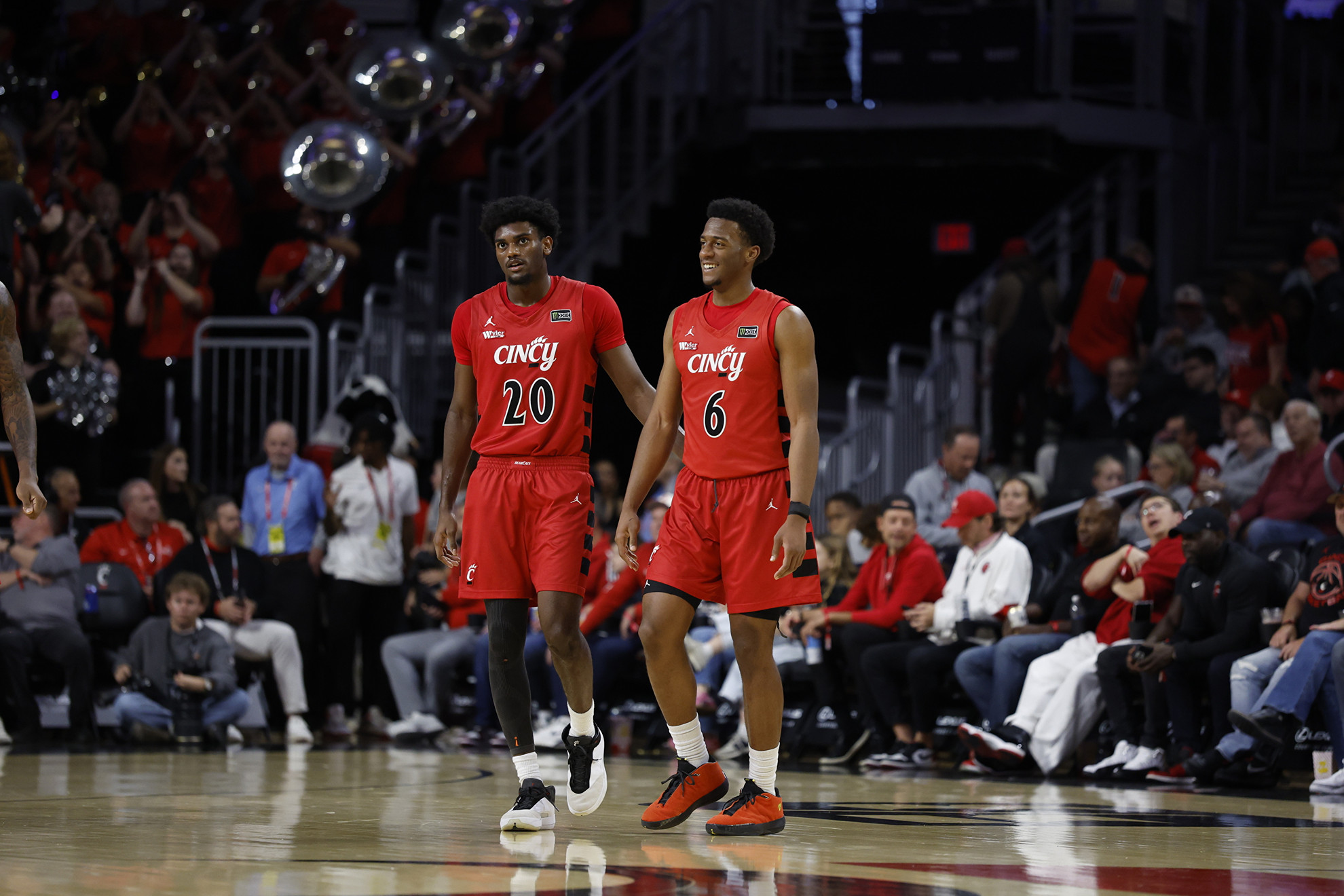
Cincinnati Men’s Basketball Hosts Minnesota for Twyman-Stokes Classic
The Cincinnati men’s basketball team hosts the University of Minnesota at 7 p.m. this Monday at Fifth Third...