
DETROIT — Democrat Abdul El-Sayed declared victory in the race for Michigan’s open U.S. Senate seat early Wednesday, capping a hard-fought campaign that, with 88% of ballots counted, the Associated Press called for him at 52% of the vote to 46% for Republican Mike Rogers, JTA reported.
The open seat had been viewed as crucial to Democrats’ hopes of retaking control of the Senate chamber. Yet for many of Michigan’s estimated 105,000 Jewish voters, the contest was defined less by that partisan math than by El-Sayed’s tumultuous relationship with the Jewish community — a dynamic that spilled into his victory speech and will now shadow his arrival in Washington.
A Victory Speech That Split the Room
In his acceptance speech, El-Sayed thanked supporters whom he said had welcomed him into “your homes, your churches, your synagogues.” He then turned to his ardently pro-Palestinian views, telling the crowd: “They try to call you hateful if you believe that Palestinian kids should get to grow up in the land of their forefathers without being martyred by our tax dollars… We don’t want our money to be sent to do apartheid or genocidal war.” As he spoke, chants of “Free Palestine” rang through the crowd, and Mahmoud Khalil, the Palestinian Columbia University activist detained by the Trump administration, was in attendance.
El-Sayed’s uncompromising stances on Israel — including a position to end all U.S. military aid — made him a target of pro-Israel groups, most prominently AIPAC, which spent heavily against him in both the primary and the general election. AIPAC’s rare entry into a general election contest was in support of Rogers.
Why Jewish Voters Felt Alienated
The animosity toward El-Sayed extended beyond his criticism of Israel to statements about attacks on Michigan’s Jewish community itself. After the March terror attack on Temple Israel, a major synagogue in the state, El-Sayed appeared to link the attack to Israel’s war in Lebanon after reports that the attacker had lost family in an Israeli strike. His early campaigning alongside streamer Hasan Piker, who has made several controversial comments about Jewish voters, compounded the unease, as did his questioning of Israel’s existence as a Jewish state and of whether Israel or Iran posed a greater threat to the United States.
Hostile behavior from some El-Sayed supporters toward pro-Israel Democrats, most prominently on display at the state party’s spring convention, alarmed Jewish community members further. El-Sayed has pledged to stand up to antisemitism, but some Jews who had long considered themselves Democrats — including several local Jewish leaders — cited these controversies in pledging to vote for Rogers. In some Michigan Jewish neighborhoods, yard signs declared that a vote for Rogers was a vote “against antisemitism.”

The Aid Question That Reframed the Race
One of El-Sayed’s signature positions — ending all U.S. military aid to Israel — was once dismissed as a far-left pipe dream. The situation shifted on Election Day morning when Trump stated that during his administration nearly $4 billion in annual U.S. military aid to Israel would be phased out by the end of the year, with Israeli Prime Minister Benjamin Netanyahu on board—a move Trump claimed would deprive Democratic critics of an attack line.
Still, El-Sayed’s campaign mobilized young voters and a broad array of other groups, and he moved ahead in the polls during the race’s closing stretch. The result now hands Democrats a seat they had counted on, even as it arrives wrapped in the very disputes over Israel and antisemitism that made the campaign so divisive for Jewish Michiganders.
More on Republican Mike Rogers
Worth a look
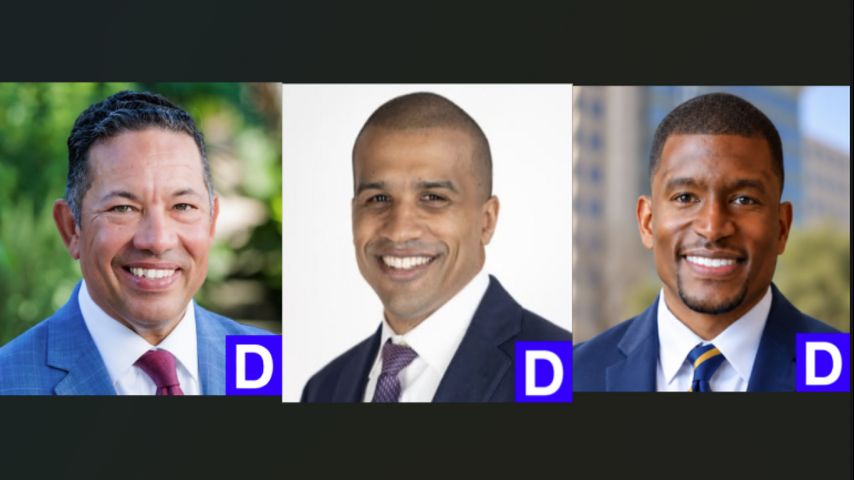
Winston DeCuir Jr. Wins First New East Baton Rouge Parishwide Judge Seat
Winston DeCuir Jr. didn't merely win the Division B seat in the 19th Judicial District Court on Tuesday;...
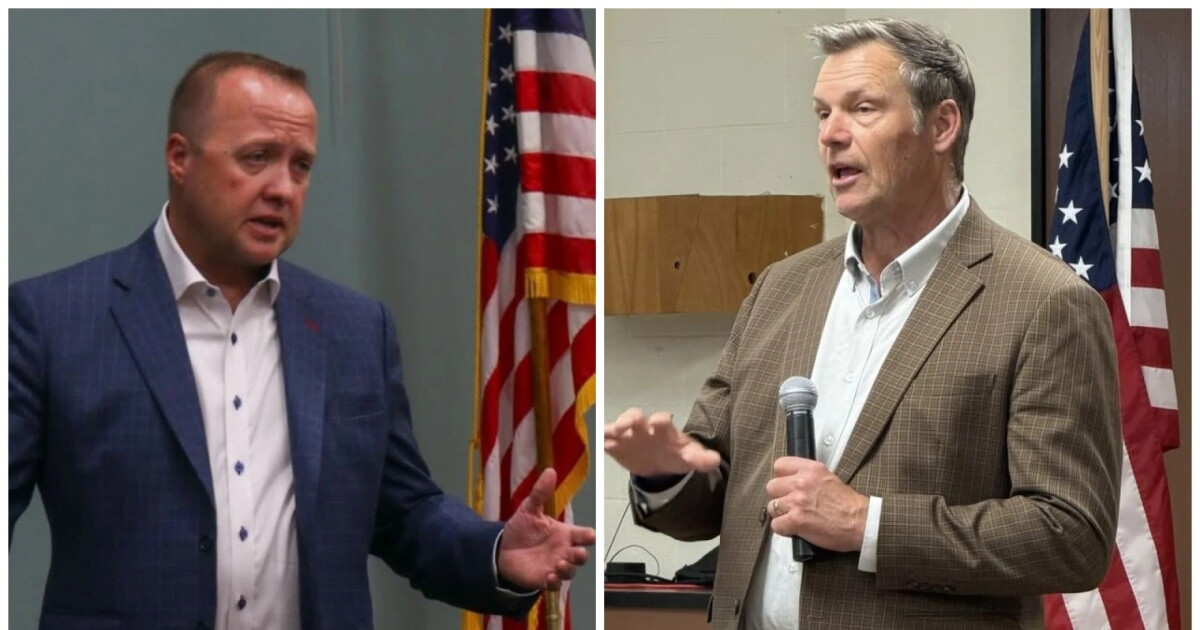
Democrat Chris Mann Declares Victory Over Kris Kobach in Kansas Attorney General Race
Chris Mann declares victory in Kansas attorney general race with 50.5% of vote, but Kris Kobach has not...

Rob Sand Wins Iowa Gubernatorial Election to Become State’s Next Governor
Iowa will split its state government for the first time in a decade when Democrat Rob Sand is...

Idaho Republican Jim Risch wins reelection to U.S. Senate seat
Incumbent Republican U.S. Sen. Jim Risch won reelection Tuesday night, holding his seat against a well-funded independent challenger...