Diesel Spikes and Trade Anxiety Collide as Rural Voters Head to the Midterms
The convergence of soaring harvest costs and volatile international trade is reshaping the political landscape across the American heartland as voters prepare for Tuesday’s midterms.
According to Iowa PBS reporting, the average price for a gallon of gasoline stood at $4.20 on Friday morning, while diesel hit $6.32. Though down from a high of $6.32 on September 22, the current price represents a doubling of fuel costs for many farm operations compared to the previous year, severely cutting into profit margins.
Aaron Lehman, president of the Iowa Farmers Union, told Iowa PBS that he is spending an additional $1,000 every day to harvest and transport his crop. The mounting financial strain prompted the organization to take the unusual step of endorsing all Democrats running for Congress in the state, signaling a sharp departure from traditional voting patterns.
Trade Policy and the Push for USMCA Renewal
While fuel prices dominate day-to-day operations, the longer-term stability of American agriculture remains tied to international trade. The United States-Mexico-Canada Agreement (USMCA) is not directly on the ballot, but its future is a central point of discussion following the U.S. decision this summer to decline renewal at its first joint review.
The Competitive Enterprise Institute (CEI), a free-market think tank that initially opposed the 2020 trade deal, is now calling for its renewal with modifications to ensure it remains free, simple, and stable. Ryan Young of the CEI pointed to the destructive cycle of retaliatory tariffs currently impacting agricultural export markets and driving up equipment costs.
Trade policy is in a very volatile place, and one thing that trade agreements offer is stability. We’re seeing tariffs on anything and everything. We’re seeing retaliatory tariffs that are killing farmers, export markets, raising prices for equipment, raising consumer prices. — Ryan Young, Competitive Enterprise Institute
Young argued that Mexico’s comparative advantage in labor-intensive manufacturing, combined with U.S. design strengths and Canadian energy and agriculture, makes North American trade integration vital. The institute contends that future pacts should focus strictly on trade rather than auxiliary issues like intellectual property and labor conditions, which often complicate negotiations.
Aquaculture Innovation Finds a Foothold in Iowa
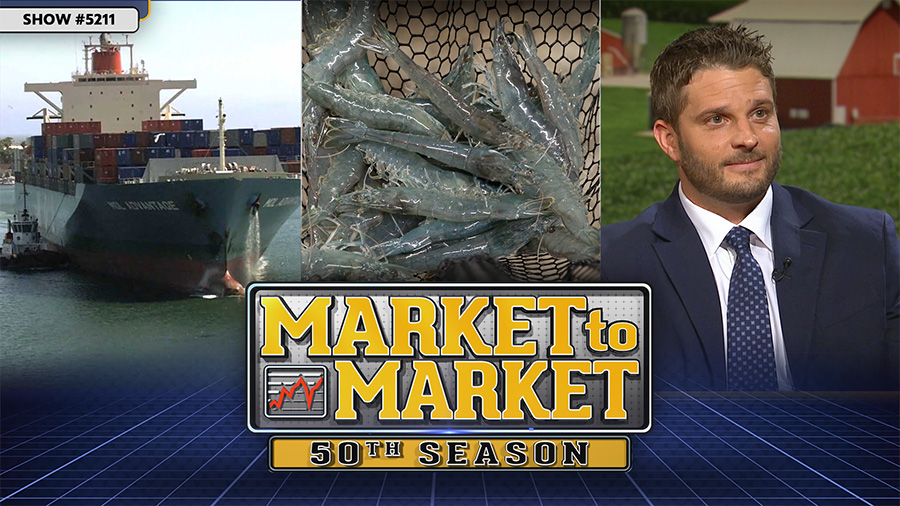
Faced with fluctuating commodity markets and high input expenses, some producers are diversifying away from traditional row crops. Eric and Ann Franzenburg completed their commercial shrimp harvest on their farm.
The operation’s system fosters algae growth on disks, which shrimp consume as a natural food source.
The farm produces roughly 7,000 pounds of shrimp annually, marketing fresh product directly to consumers while maintaining a fallback option to sell goods under the Midland co-label.
Keep reading
- Florida Tech Swimming Breaks 3 Records and Sets 8 NCAA B-Cuts
- Men’s Basketball vs The College of Idaho on 10/30/2026 – Box Score
- Wall Street futures slide as tech sell-off deepens and oil prices surge (newsarchyuk.com)
- How Villa Vie's Fuel Bill Rose Up to 344% as Fuel Prices Nearly Doubled (daybreakwire.com)

Florida Tech Swimming Breaks 3 Records and Sets 8 NCAA B-Cuts
The Florida Tech men’s and women’s swimming teams set a high bar on Friday, Oct. 30, securing three...

Men’s Basketball vs The College of Idaho on 10/30/2026 – Box Score
The game was defined by frequent lead changes, aggressive play in the paint, and a series of tactical...

Clint Hurdle Says Goodbye to Colorado Rockies After Two Decades
Clint Hurdle, the architect of the Colorado Rockies’ most iconic season and a fixture in the organization for...

Delaware SaaS Sales Tax Guide: Is Software Taxable?
Software as a Service (SaaS) products are not subject to sales tax in Delaware. Because the state does...