
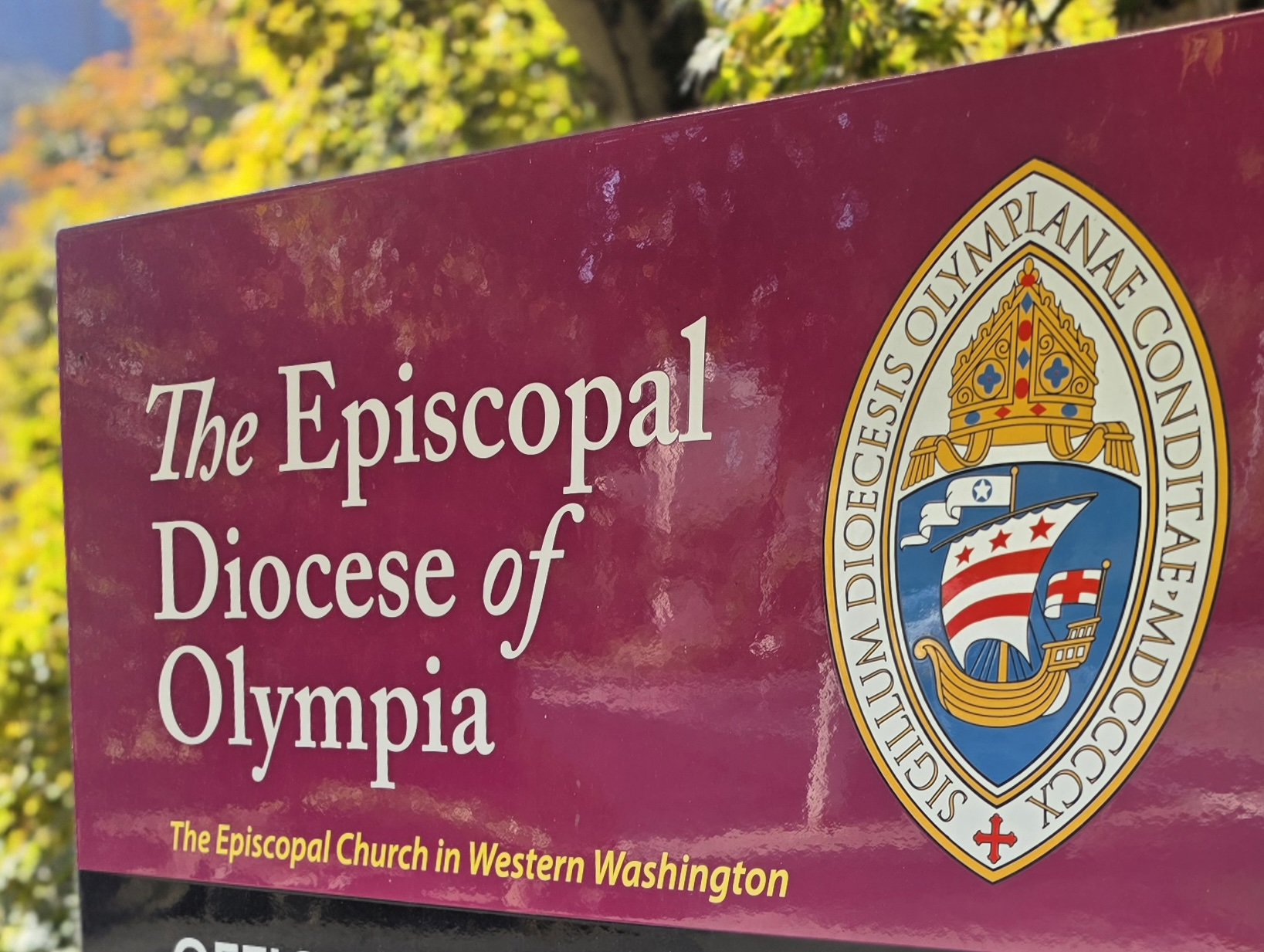
The Diocese of Olympia is moving a $100 million investment fund into the centralized management of The Episcopal Church, trading decades of volunteer-led oversight for institutional scale. The transition, announced Oct. 28, shifts the assets of the Western Washington-based diocese into a custodial trust managed by the Domestic and Foreign Missionary Society (DFMS), the New York-based corporate entity of The Episcopal Church, as reported by Episcopal News Service.
This isn’t just a change in paperwork; it’s a strategic pivot toward “institutional expertise” in an era of market volatility. By joining the churchwide endowment, the Diocese of Olympia becomes one of the largest diocesan trusts under this centralized model, moving away from a system where a board-level Investments Committee of volunteers handled the heavy lifting.
A 0.5% Performance Gap and the Scale of DFMS
The decision comes down to a cold look at the numbers. According to data provided by the diocese, the DFMS Trust has generated an average annual return of 8.3% since 1993. In contrast, the benchmark used to evaluate the diocese’s own internal performance showed an annual return of 7.8%. While a 0.5% difference might seem negligible on a small scale, when applied to a $100 million fund, that gap represents significant capital that can be redirected toward local ministries.
The scale of the operation is massive. Christopher Lacovara, Chief Financial Officer of The Episcopal Church, told Episcopal News Service that the church manages trust funds for more than 150 congregations and over a dozen dioceses, in addition to various charities. The total program encompasses $350 million, sitting alongside a separate $500 million churchwide endowment.
| Investment Entity | Average Annual Return (Since 1993) | Management Structure |
|---|---|---|
| DFMS Trust | 8.3% | Institutional/Professional |
| Diocese of Olympia Benchmark | 7.8% | Volunteer-led Committee |
Mission Alignment and the “No-Buy” List
Beyond the returns, the move is about what the money isn’t buying. The assets will now be strictly aligned with The Episcopal Church’s “no-buy” list and corporate social responsibility initiatives. These guidelines, governed by General Convention resolutions, ensure that investments do not conflict with the church’s mission and values.
This shift allows the diocese to access asset classes and professional managers typically reserved for much larger endowments. Because the DFMS does not charge management fees for these custodial accounts, the diocese maintains a low fee structure while gaining a level of diversification that is difficult to achieve with a volunteer-run committee.
“As faithful followers of Jesus in Western Washington, this change will help congregations better support mission-critical ministries throughout our diocese,” Olympia Bishop Phil LaBelle said in the release.
The Trade-off Between Local Control and Institutional Stability
There is a natural tension in this move.
For decades, the Diocese of Olympia maintained direct, local control over its wealth.
Moving to a New York-based corporate entity means relinquishing the granular, hands-on management provided by local volunteers.
The diocese has mitigated the risk of total loss of control by ensuring they still manage their own deposits and withdrawals, and they retain the right to withdraw from the DFMS Trust in the future.
The Economic Stakes for Western Washington Congregations
So, who actually feels the impact of this $100 million shift? The answer lies in the “mission-critical ministries” mentioned by Bishop LaBelle. In the non-profit and religious sector, the difference between a 7.8% and an 8.3% return can help congregations better support mission-critical ministries. By optimizing the return on their endowment, the diocese increases the sustainable payout available to individual congregations on the Pacific Coast side of Washington state.
For the Diocese of Olympia, it is a move toward institutional expertise to better diversify investments and ensure returns during market volatility.
Diocese Does Not Detail Conditions for Trust Withdrawal
While the transition is framed as a win-win, certain operational details remain open. The diocese has provided an FAQ document to shareholders, but the specific triggers or conditions that would lead the diocese to exercise its right to withdraw from the DFMS Trust have not been publicly detailed.
Worth a look

Republican officials order investigations of Peltola and other Democrats after New York Times report
Republican officials in Alaska have launched investigations into Democratic U.S. Senate candidate Mary Peltola and her campaign, following...
In a Rare Statewide Debate, Alabama Candidates Spar Over Data Centers, Utility Rates
Alabama’s Data Center Debate Intensifies as Candidates Clash Over Energy Bills and Utility Power In a rare statewide...

NH Secretary of State Predicts Record Voter Turnout For Midterm Election
Secretary of State David Scanlan is projecting a record-breaking turnout of 635,000 voters for New Hampshire’s mid-term election...

Abducted 10-Year-Old Oregon Girl Found Alive as Suspect Is Arrested
Canby Kidnapping Recovery and Arrest of Vince Edgar Chavez A 10-year-old Oregon girl who was abducted from her...