Defense Supply Center Richmond maintains critical mission functions during hazardous weather
The Defense Supply Center Richmond (DSCR) will maintain continuous operation for certain critical support functions, even during hazardous weather conditions, to ensure military forces receive uninterrupted assistance, according to a report from the Defense Logistics Agency (DLA).
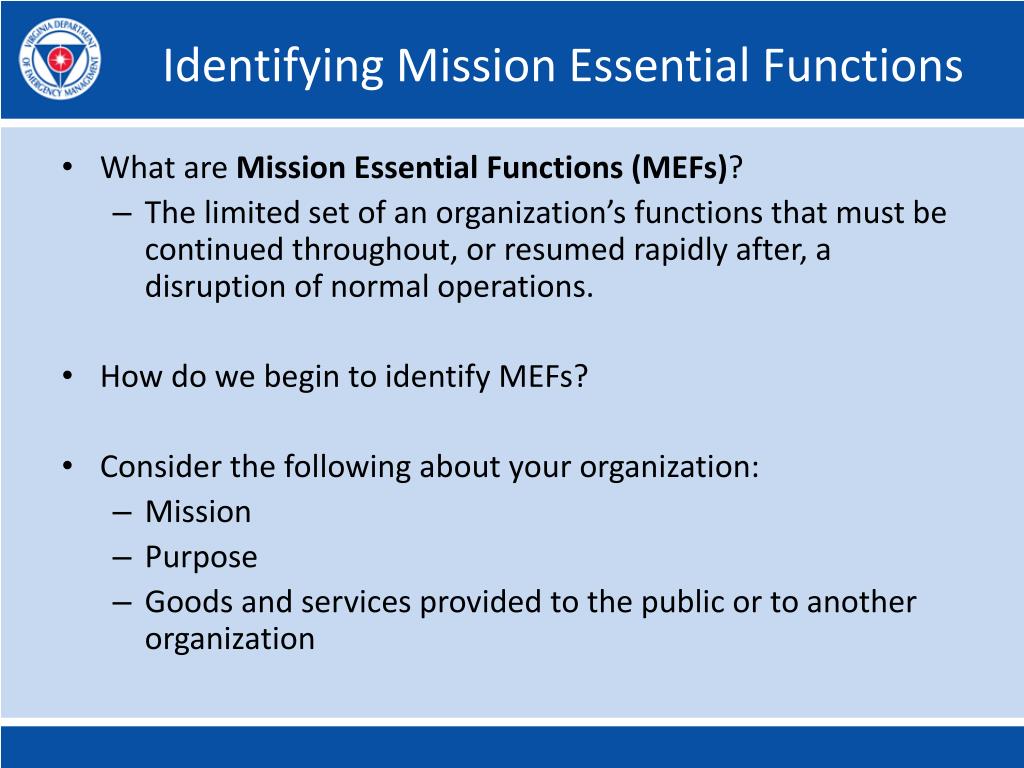
Because the DLA and various tenant activities at the Richmond installation perform essential roles for the U.S. military, the facility does not follow a standard closure protocol during inclement weather. Instead, the installation operates on a tiered system where mission-essential personnel are required to report for duty as scheduled to prevent gaps in defense logistics and weapons support.
Essential personnel requirements and mission continuity
The DLA Weapons Support commander, alongside senior leadership from various tenant organizations on the installation, is responsible for identifying which specific operations must remain active regardless of external conditions. Once these tasks are identified, the government personnel and contractors assigned to them are designated as emergency or mission-essential. These individuals are mandated to report for duty according to their established schedules.
In scenarios where weather conditions deteriorate while employees are already on-site, these designated personnel may be required to stay beyond their regular working hours until a relief crew can safely take over. This ensures that the supply chain for critical defense components remains unbroken.
Decision factors for installation closures
While critical functions persist, the DLA Weapons Support commander retains the authority to close the entire installation or delay openings if conditions become extreme. All tenant organizations have agreed to follow the commander’s decisions regarding facility access. When determining whether to implement a closure or grant administrative leave, leadership evaluates several specific variables:

- Current road conditions both on and off the installation.
- Availability of parking for arriving staff.
- Ease of access to the installation and specific facilities.
- The continued trajectory of the local weather forecast.
The timing of these decisions is often dictated by the volatile weather patterns common to Central Virginia. While early decisions are preferred and posted the preceding night when reliable data is available, the most severe conditions frequently manifest between 4 a.m. and 6 a.m. To balance safety with the need for communication, officials aim to make final decisions no later than 4 a.m., providing a window to notify staff before the earliest official 6 a.m. start time.
Communication channels for employee status updates
To manage the logistical challenge of notifying a large workforce during sudden weather shifts, the installation utilizes multiple redundant communication streams. Employees are encouraged to use the following resources to verify their operational status:
- Information Hotline: A recorded message detailing current operations can be reached at 804-279-3599.
- Local Media: Richmond-area television stations, including WTVR 6, WRIC 8, and WWBT 12, provide on-air and online announcements regarding post status.
- Digital Alerts: The DLA Weapons Support home page displays prominent alert messages during emergencies.
- AtHoc Notification System: Employees who have self-registered in this system will receive direct emails and phone calls at both their work and home numbers.
For those already on-site when a sudden weather event necessitates a mid-day closure, the installation utilizes a systems broadcast message sent to all email accounts, supplemented by announcements over the public address system.
Safety considerations for commuting staff
Despite the rigorous requirements for mission-essential personnel, the administration recognizes the personal risks posed by hazardous travel. The policy acknowledges that employees must exercise individual judgment regarding their own safety. Those who do not feel safe driving during severe weather are encouraged to make a rational decision about whether to report to work or utilize accrued leave or credit hours.
During less severe weather, the installation typically remains open and maintains a liberal annual leave policy to accommodate the needs of the workforce. The tension between maintaining a global defense supply chain and ensuring the physical safety of the civilian and contractor workforce remains the primary driver behind the installation’s complex decision-making framework.
Related reading

NASA Awards $10 Billion in Lunar Contracts to Build Moon Base Infrastructure
NASA Sets $10 Billion Lunar Logistics Framework NASA announced on Saturday at the MAX POWER aerospace expo at...

V Golden Game Wins $16,250 Olympia Joe Stakes at Lone Star Park
V Golden Game Secures $16,250 Olympia Joe Stakes Victory at Lone Star Park V Golden Game, a multiple...

Nashville SC Sets 7 MLS Records in Historic 2-0 Win Over FC Cincinnati
Nashville SC sets MLS records with dominant regular season finish Nashville SC secured a historic conclusion to their...
South Carolina Bill 4813: Increases Magistrate Court Fees and Costs
Starting January 1, 2027, the cost of accessing South Carolina's magistrate courts will shift. Under the newly enacted...