
The Department of Justice is attempting to block Alaska from certifying its U.S. Senate election if incumbent Dan Sullivan (R) loses, citing potential voter confusion. While the lawsuit seeks a federal court order to stop the certification process, the legal maneuver appears to be less about winning a courtroom battle and more about creating a paper trail for a secondary fight over who actually gets to sit in the Senate.
The core of the dispute involves two candidates with nearly identical names: the incumbent Dan Sullivan and another Republican candidate, Daniel J. Sullivan. The DOJ argues that if the incumbent loses, the state should not certify the results until an investigation determines whether voters who chose Daniel J. Sullivan actually intended to vote for the senator. This litigation serves as a strategic setup for other institutions to question the results after the polls close.
The pressure point in the certification chain
Under Alaska state law, the director of elections, Carol Beecher, holds the formal responsibility to certify the candidate with the most votes. Beecher is a defendant in the DOJ suit and has dismissed the claims as baseless, arguing that the lawsuit itself threatens the integrity of the election. However, the process does not end with Beecher’s signature.
Federal law requires the governor—currently Mike Dunleavy (R)—to send a separate certificate to the U.S. Senate. This document must be countersigned by the state’s chief election official, the lieutenant governor. This two-step verification creates a potential bottleneck. Even if a federal judge rejects the DOJ’s request and Beecher certifies a winner, the lieutenant governor still holds a critical pen.
“The litigation is designed to tee up this ‘confusion’ issue for these other institutions,” election law professor Richard Pildes argued this week. “Thus, even if DOJ loses in the federal courts, as it will, the litigation will give ammunition to anyone in the certification process, particularly the Lt. Gov.”
The role of Lieutenant Governor Nancy Dahlstrom
Lieutenant Nancy Dahlstrom (R) is a figure of particular interest in this sequence. The DOJ did not name her as a defendant in the lawsuit, focusing instead on the officials who administer the election. Dahlstrom has a history of action regarding the Sullivan name confusion; she previously initiated efforts to remove Daniel J. Sullivan from the ballot entirely to prevent voter error, though the Alaska Supreme Court ultimately allowed Daniel J. Sullivan to remain on the ballot.
NEW: The DOJ is trying to stop certification of Alaska's Senate results if the Republican candidate loses.But winning in court may not be the department's main goal — it may instead be to lay the groundwork for future fights over certifications post-Election Day.…
Dahlstrom’s alignment with the Trump administration is well-documented. She provided the DOJ with unredacted voter registration data and entered into an agreement on voter list maintenance—a move that sparked a lawsuit from voting rights groups. She also sought a seat in Congress in 2024 with Donald Trump’s endorsement before withdrawing from the race.
President Trump has stated he personally ordered the DOJ to bring this case. While the lawsuit provides no new legal authority for Governor Dunleavy or Lt. Gov. Dahlstrom to ignore the election results—as federal law describes the issuance of the Senate certificate as a duty rather than an option—it does establish a public, legal record of “voter confusion.”
The counter-argument for election finality
The strategy relies on the gap between the administrative act of counting votes and the political act of credentialing a senator. If the DOJ loses in court, they have still succeeded in planting the seed of doubt that a lieutenant governor or a Senate committee might use to justify a challenge to the results.
The case now rests with a federal judge who must decide if the government’s concerns about voter intent outweigh the state’s mandate to certify its elections.

Falcons Injury Report: Robinson, Deablo, Bowman Jr. Miss Practice
The Atlanta Falcons are facing continued availability issues at multiple positions as they begin preparations for a Week...
ICE arrests in Florida surge as federal strategy favors local police
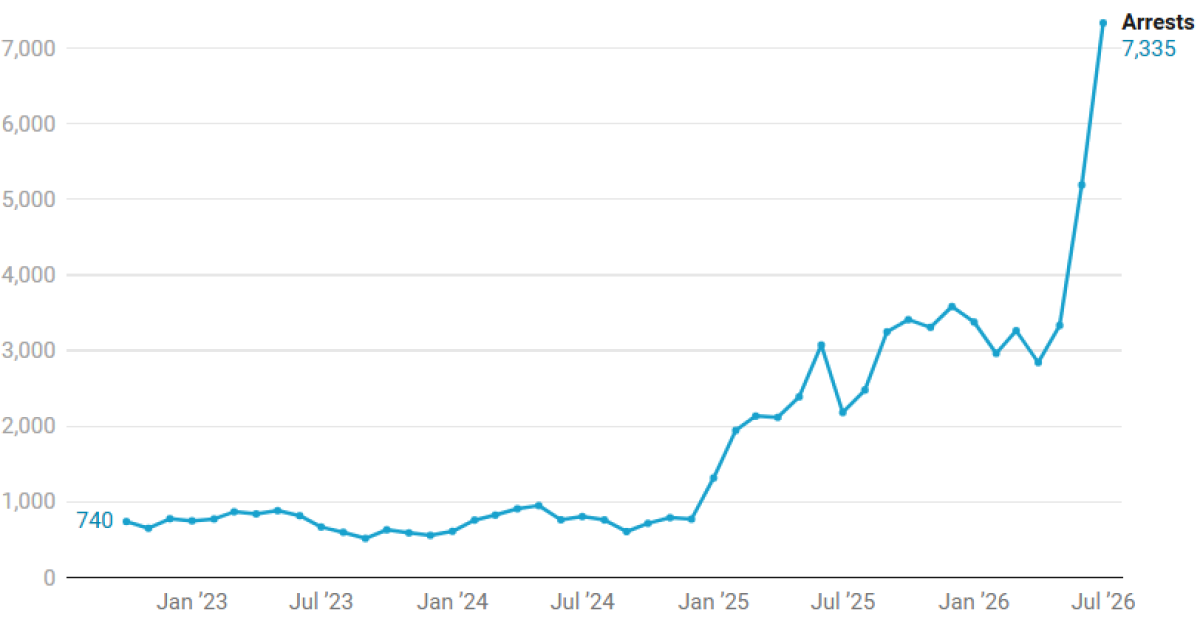
ICE arrests in Florida surged to new highs this summer, with around 29,000 people detained this year, according...

Trump signals potential end to Iran war as Pentagon prepares strikes
President Donald Trump is signaling a potential end to the conflict with Iran, but behind the campaign rhetoric,...
Hartford Stage hosts U.S. debut of new Dracula adaptation
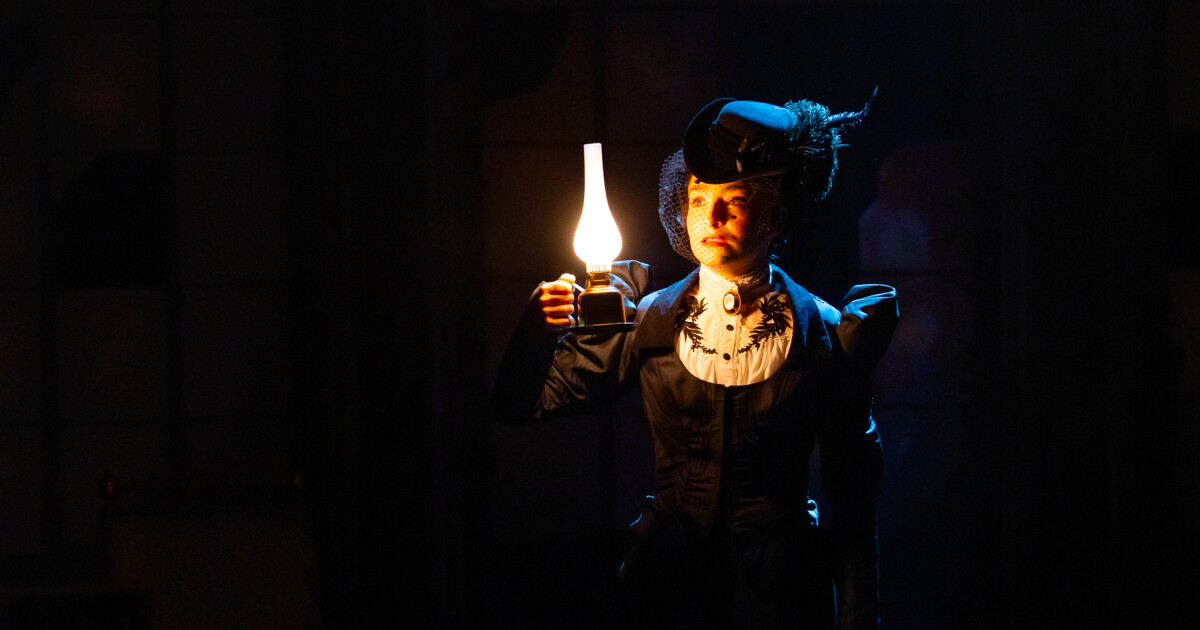
Hartford Stage is hosting the U.S. debut of a new adaptation of Bram Stoker’s "Dracula," a production that...