
Department of Justice targets Democratic operatives in Alaska ballot probe
Federal investigators have issued target letters to a top Democratic election lawyer and several other Democratic figures, signaling a significant escalation in an ongoing probe into efforts to place an Alaska man with the same name as incumbent Republican Senator Daniel Sullivan on the ballot. The move marks a departure from standard federal practice, as the Department of Justice has historically avoided taking high-profile investigative actions that could influence an election in the final days of a campaign.
The investigation centers on a campaign effort to include a retired schoolteacher, also named Daniel J. Sullivan, on the ballot to potentially confuse voters. The New York Times reported that allies of Democratic Representative Mary Peltola were behind the scheme, which sought to siphon votes away from the incumbent senator. While Peltola’s campaign has denied any personal involvement, the Times noted that legal counsel for the campaign and the Democratic Senatorial Campaign Committee (DSCC) participated in the effort.
The legal stakes for Democratic counsel
Among those reportedly receiving a target letter is Marc Elias, a prominent Democratic election lawyer. In a public statement, Elias denied any wrongdoing and characterized the investigation as politically motivated. “No one should be surprised that President Trump’s Department of Justice is targeting me and my law firm on Election Day,” Elias stated, arguing that the administration has weaponized the department against its political rivals despite what he described as a lack of evidence.
A federal grand jury in Alaska is currently examining potential conspiracy and donor fraud related to the ballot effort. Receiving a target letter does not guarantee that charges will be filed, but it confirms that the recipients are considered subjects of the grand jury’s focus. The Justice Department has remained tight-lipped regarding the specifics of the case, with a spokesperson reiterating that the department cannot discuss ongoing investigations.
Shifting norms at the Department of Justice
The decision to issue these letters close to Election Day is being viewed by political observers as an unconventional move. Traditionally, the Department of Justice observes a period of restraint to prevent its activities from impacting the outcome of federal races. However, this election cycle has seen that norm challenged repeatedly.
The department has faced criticism for its recent pressure on state officials regarding ballot counting procedures and the high-profile raid on the home of Representative Ilhan Omar in Minnesota. These actions, combined with the Alaska investigation, suggest a shift in how federal authorities are managing sensitive political matters during the final stretch of the 2026 midterms. It remains unclear exactly how many individuals have received target letters as the grand jury continues its work.
While attempting to recruit candidates to dilute a rival’s vote share is a recognized, if controversial, political maneuver, it does not inherently constitute a crime. The central question for federal prosecutors now is whether the methods used to place the retired schoolteacher on the ballot crossed the threshold into conspiracy or financial misconduct. With the DSCC declining requests for comment, the legal and political fallout of this investigation continues to unfold as voters head to the polls.

DeAndre Lott Named LSC Defensive Player of the Week
DeAndre Lott named Lone Star Conference Defensive Player of the Week Lubbock Christian University freshman guard DeAndre Lott...

2026 Missouri Primary Election Results: State and Federal Races
Missouri Primary Results Reveal Decisive Shifts in State House and Judicial Races The 2026 Missouri primary elections have...
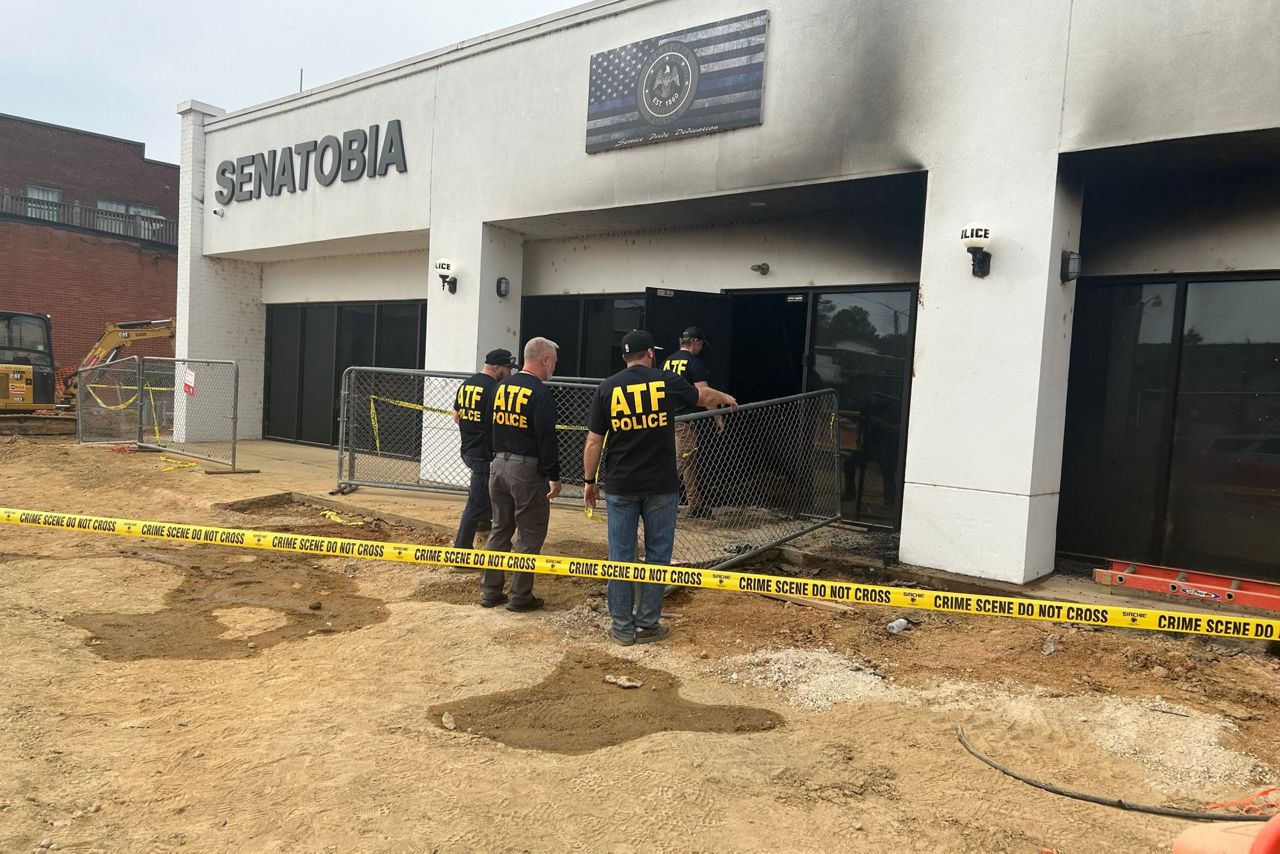
Alabama Activist Charged With Arson in Senatobia Police Department Fire
An Alabama activist faces federal arson charges after a fire at a Mississippi police station Garrick Rawls, a...
Hidden History and Fascinating Facts About Michigan State University Campus
Walking across the Michigan State University campus today, you might assume the paved walkways were meticulously planned by...