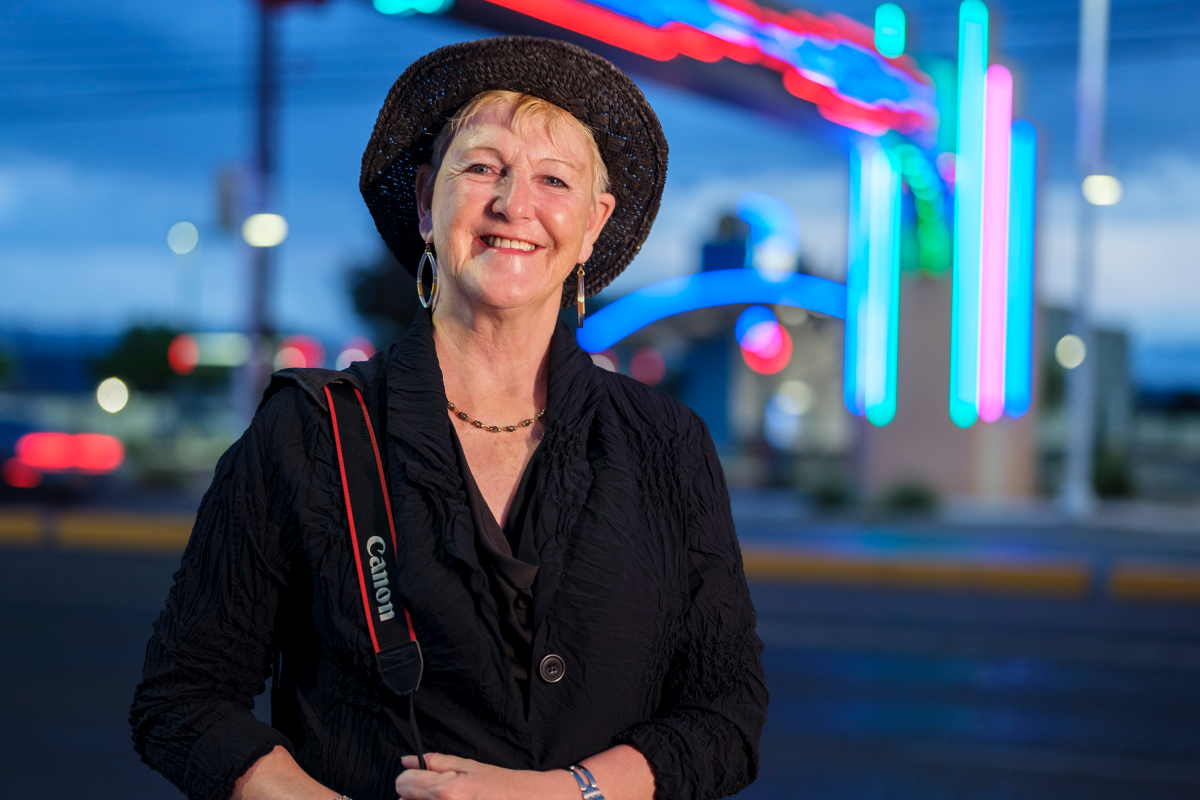
Donatella Davanzo argues that Route 66 has evolved from a mere transit corridor into a primary destination, according to a personal essay shared with New Mexico Magazine.
The researcher’s perspective shifts the focus away from the road as a way to get from one point to another, suggesting instead that the journey itself is the purpose. This distinction is central to her new work, which seeks to document the tangible and symbolic layers of the historic highway through a New Mexican lens.
Davanzo’s connection to the “Mother Road” began in 2006 when she traveled the entire route as a tourist visiting from Italy. That initial experience laid the groundwork for a decade of academic inquiry into how the road functions as a cultural connector in the United States.
By 2013, Davanzo had transitioned from tourist to researcher, undertaking a doctoral project to document every building located on Central Avenue in Albuquerque. She focused her methodology on the tangible aspects of the structures, specifically examining their architecture, their current use, and their physical condition.
Her research extended to Fourth Street, where she examined more than 255 buildings and over 100 historic sites. She looked beyond the bricks and mortar to investigate the symbolism found both inside and outside these structures, questioning whether such symbols remain original or have been transformed to promote a specific, nostalgic version of Route 66.

This investigation included a focus on ethnicity, specifically through the study of murals and Native American symbols or traditions. Because New Mexico serves as a crossroads for various languages and peoples, Davanzo said that the people who inhabit the state constantly reshape its locations.
Davanzo said that her perspective is shaped by an outsider’s fascination with the midcentury aesthetic. She observed that Italians are often drawn to Route 66 because it embodies a romanticized vision of classic America, characterized by vintage cars, small towns, and roadside diners.
This cultural perception has been heavily influenced by American pop culture exported globally. Davanzo pointed to the impact of classic literature like The Grapes of Wrath, American songs, and the Western films of director Sergio Leone and actor Clint Eastwood—specifically The Man with No Name—in shaping how Europeans view the highway.

While her new book contains images, Davanzo clarified that it is not intended to be a photography book. Instead, she designed the work for travelers who want to interact with the road on a deeper level.
For those looking to experience the unvarnished history of the route, Davanzo suggests traveling the section from Glenrio to Tucumcari. In this stretch of New Mexico, the road remains unpaved gravel, allowing travelers to drive on the original surface.
This section allows visitors to observe old bridges, abandoned signs, and the original motels and restaurants that once defined the era. Davanzo recommends supporting local, family-run establishments that maintain the regional atmosphere.
- Tucumcari: Del’s Restaurant and Carlson Coffee Company
- Santa Rosa: Joseph’s Bar and Grill
- Albuquerque: Frontier Restaurant, 66 Diner, and Dog House
These locations serve Southwestern, Mexican, and regional handmade products, offering an environment that Davanzo says transports visitors directly back to the Route 66 era.
Worth a look

The Psychology of Leadership: Pierre Poilievre and the Weight of Political Resilience
In a column for National Newswatch, Adam Miron argues that Conservative Leader Pierre Poilievre is currently navigating the...
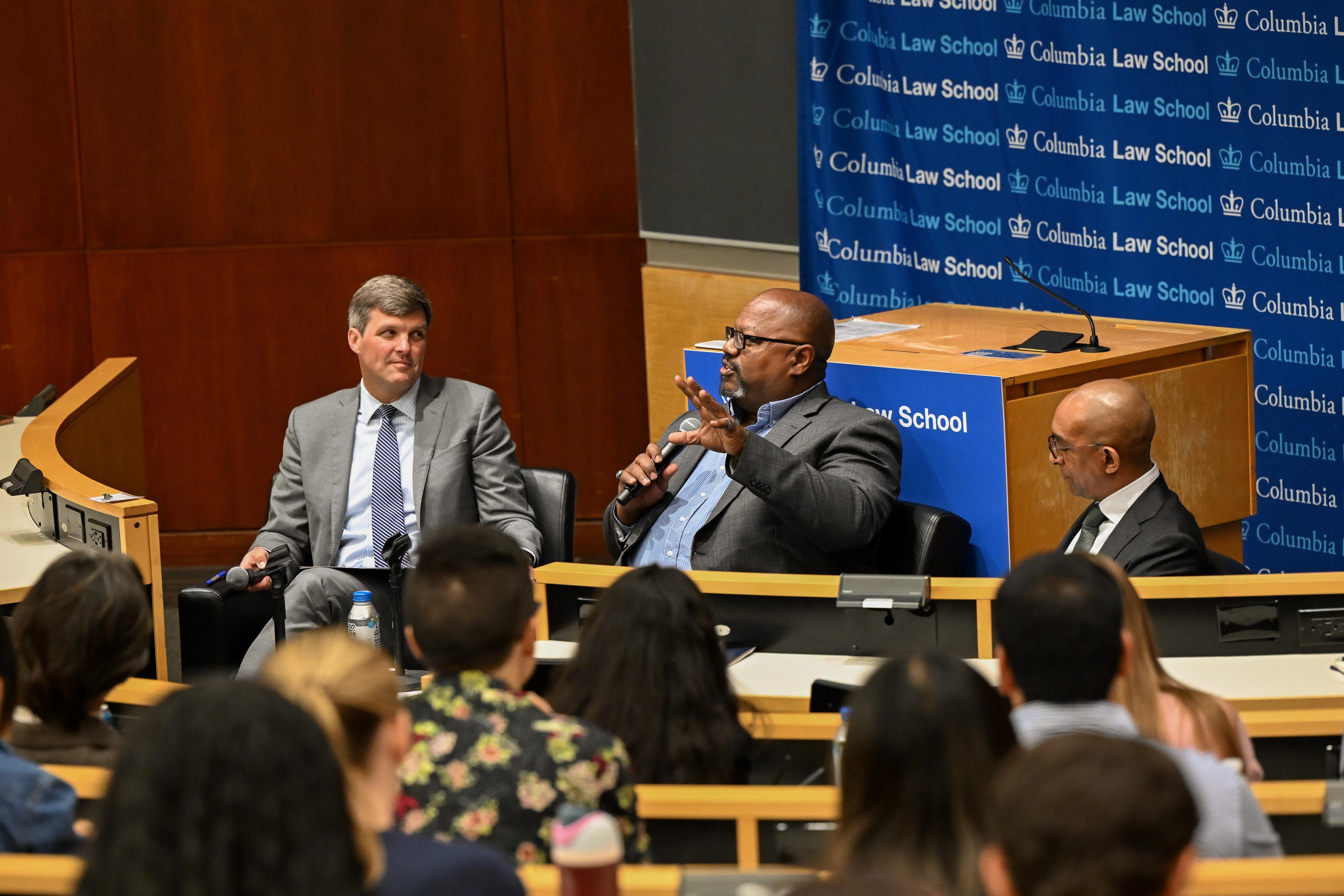
Judges Discuss Civil Discourse and Judicial Career Paths at Distinguished Jurist Series
Federal judges appointed by opposing presidents are finding common ground in an era of increasingly corrosive public debate....

Saline County Volunteers Honor Local Veterans in Harrisburg Gathering
“I just want them to know how much we appreciate them and we love our freedom and it’s...

Man Critically Injured in Portland Old Town Shooting
A man is fighting for his life following an overnight shooting on Northwest Naito Parkway in Portland's Old...