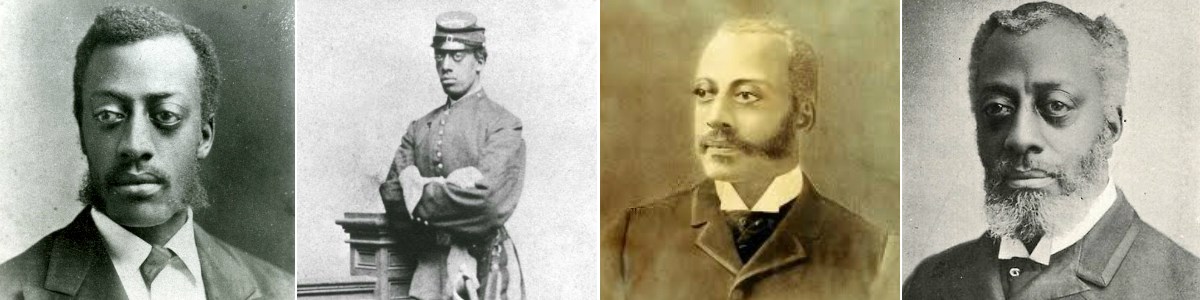
In February 1845, four abolitionists — Frederick Douglass, Stephen Symonds Foster, Charles Lenox Remond, and Cyrus M. Burleigh — launched a coordinated lecture campaign across New Hampshire, with daily stops planned from February 5 through 17, the Frederick Douglass Papers Project reported.
The original schedule sent Douglass and Foster through the central and Lakes Region towns, while Remond and Burleigh covered a western loop. Douglass and Foster were to open at Franklin on February 5, then move to Hill, Bristol, Groton, Hebron, Plymouth, New Hampton, Meredith Bridge, and Gilmanton through February 17. Remond and Burleigh were booked from Henniker through Warner, Bradford, New London, Newport, Cornish, and Claremont, ending February 18. Few of those meetings can be confirmed in the contemporary record. Incidents of thrilling consequence attend us at every step. It is a golden opportunity. Let every abolitionist determine to make the most of it.—P.”
A later issue of The Herald of Freedom revised the plan, announcing that all four speakers would appear together in Cornish from February 14–16 and in Claremont on the 17th and 18th, the Papers Project noted, citing the February 13, 1845 edition (p.
3, c. 5) and the February 7 edition (p. 3, c. 1). Remond, born in Salem in 1810, was the first Black lecturer hired by an antislavery society. He had attended the 1840 World Anti-Slavery Convention in London and worked alongside Douglass until a strategic split over the U.S. Constitution divided Garrisonians from political abolitionists in the early 1850s.
Foster, a Canterbury native and Dartmouth alumnus, authored The Brotherhood of Thieves (1843) and was known for interrupting church services to denounce clerical complicity with slavery. Burleigh traveled as Remond’s partner on the western circuit. The Papers Project suggests the campaign’s thin documentation may reflect the financial weakness the organizers themselves anticipated.
Worth a look

Sioux Falls Airport Matches Record Pace Despite 40% Fare Increase
Sioux Falls Regional Airport is on track to match last year’s record passenger numbers despite a 40 percent...

Federal Appeals Court Lifts Injunction, Allows Virginia to Enforce 287(g) Restrictions
A federal appeals court ruled Monday that Virginia can enforce restrictions on existing agreements between local law enforcement...
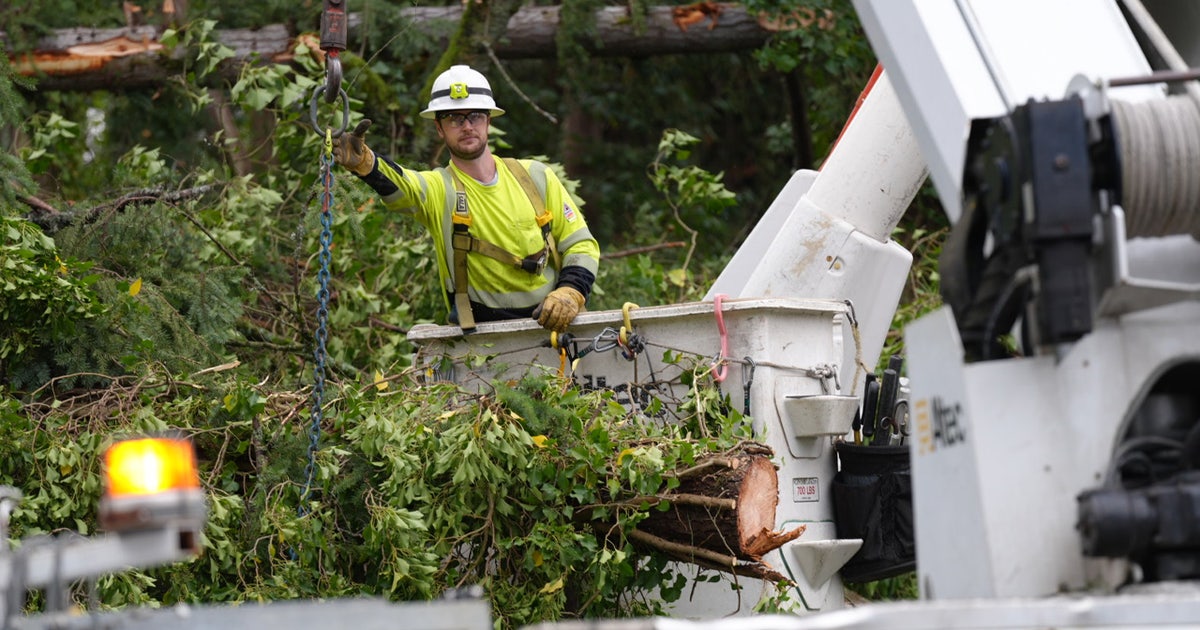
Seattle Braces for Scattered Power Outages as Gusty Winds, Rain Arrive Wednesday Night Through Thanksgiving
Gusty winds and rain could knock out power in parts of Seattle starting Wednesday evening and lasting through...

Union’s Cavan Sullivan Named 2026 MLS Young Player of Year, Youngest Ever at 17
Philadelphia Union midfielder Cavan Sullivan was named the 2026 MLS Young Player of the Year on Monday, becoming...