
Nearly 250 patients received free medical, dental, and vision care during a two-day pop-up clinic held on October 17-18, 2026, according to Salus at Drexel University.
The initiative, organized by DentMed Inc. in partnership with the Philadelphia Sheriff’s Office and Drexel University, provided an estimated $1 million in community value. By utilizing The Eye Institute (TEI) at Drexel’s Elkins Park campus as a hub, the event successfully bridged the gap between clinical expertise and residents needing immediate, no-cost assistance.
The intervention greatly affected the local area. While the number of patients remained under 250, the volume of care provided per person was high, as the event facilitated nearly 750 distinct healthcare services.
“This event demonstrates what we can accomplish when we connect clinical expertise, interprofessional training and community partnerships around a shared purpose,” said Beth Moy, associate vice provost, Elkins Park Campus.
DentMed Inc. owner Portia Ackridge coordinated the effort, which relied on a massive volunteer surge to manage the diverse range of medical needs. More than 130 volunteers participated, drawing from a wide network of local institutions including Temple University, Harcum College, Widener University, and the Community College of Philadelphia.
Services provided to the community
The clinical scope of the pop-up clinic was broad, addressing several critical pillars of preventative and corrective healthcare. Rather than focusing on a single discipline, the organizers distributed resources across dental, medical, and vision sectors to ensure a holistic approach to patient wellness.
The specific services rendered included:
- Dental care: Cleanings, fillings, extractions, and X-rays.
- Vision and Audiology: Vision care, audiology testing, and prescription consultations.
- Medical and Specialized services: Medical exams, women’s health services, and orthotics and prosthetics.
This multi-disciplinary model allowed the clinic to serve as a single resource for families who might otherwise struggle with the complexities of the healthcare system or the costs of specialized visits.
The impact of collaborative care
For healthcare educators and providers, the event served as more than just a charitable endeavor; it functioned as a live training ground for the next generation of practitioners. Students from various universities worked alongside professionals to deliver care, integrating academic learning with real-world community service.
Cara Orr, MS, MMS, PA-C, director of Didactic Education and associate professor in the Salus at Drexel University Physician Assistant (PA) Studies program, emphasized the human element of these mobile clinics.
“As a healthcare provider, there is nothing more rewarding than taking the time to meet patients where they are, listen to their concerns and help them navigate their issues,” Orr told Salus at Drexel University.
The logistical success of the event was supported by several key sponsors, including the IBX Foundation, PA Health and Wellness, and Highmark. This funding and resource model allowed the Philadelphia Sheriff’s Office and Sheriff Rochelle Bilal to build community relations through direct, tangible service.
While such large-scale pop-up clinics are highly effective at providing immediate relief, they often face the challenge of long-term follow-up care. For many patients, a single two-day event can resolve an acute issue—like a painful tooth extraction or a needed prescription—but it does not replace the need for permanent, localized primary care infrastructure.
Despite these systemic hurdles, the immediate feedback from those treated was overwhelmingly positive. Ackridge said that community members expressed gratitude showing these interventions were necessary.
“Seeing the gratitude from those we served reinforced the importance of this work,” said Ackridge. “We feel confident that we made a positive difference in the lives of many community members.”
Looking toward future iterations, the organizers expressed a desire to expand the clinic’s reach. Ackridge said that the goal for future events is to return with additional providers to increase the total number of residents who can access these essential services.
Related reading
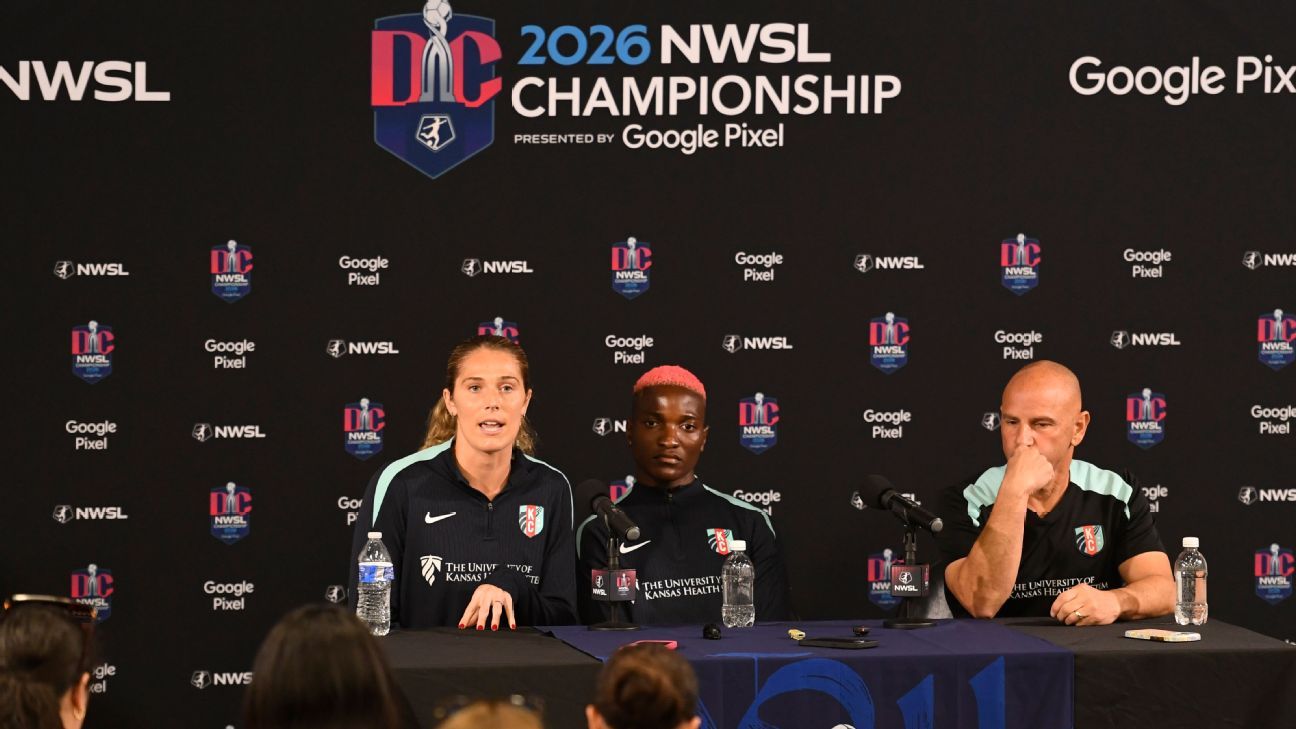
KC Current Reach NWSL Championship After Early-Season Adversity
Kansas City Current reaches the NWSL Championship on Saturday after a 2026 season that began with four losses...

Hegseth Issued Classified Memo Restricting U.S.-Canada Defense Relationship
Defense Secretary Pete Hegseth issued a classified memo restricting U.S.-Canada defense relationship last week. The Washington Post reported...
Montrose Saloon Closes January as Owners Announce Decision
Montrose Saloon closes January after owners assess 50-year history. The neighborhood spot at 2933 W. Montrose Ave. has...

LightSource Reports on Topeka Foundry’s 150 Years of Metal Fabrication
One hundred fifty years after its first pour, Topeka Foundry & Iron Works still runs a 150,000-square-foot plant...