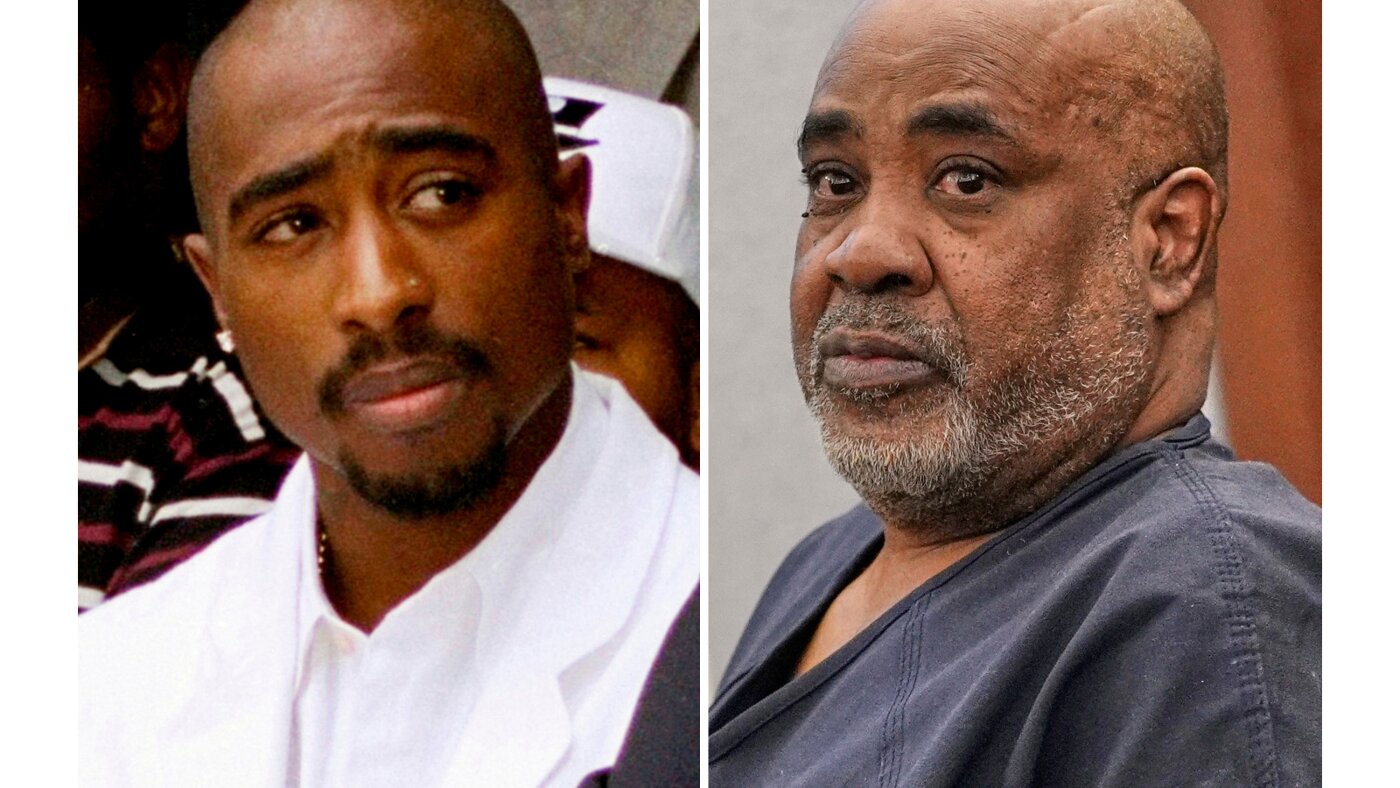
A Nevada judge ruled on Tuesday that the recording of a 2008 police interview given by Duane “Keffe D” Davis can be used as evidence in his upcoming murder trial, according to NPR. Judge Carli Kierny determined that the interview is admissible in the trial for Davis, which is scheduled to start on Aug. 10 as reported by Livenowfox.
Judge Rules 2008 Police Interview Admissible in Trial
Davis, 63, is charged with murder in the 1996 killing of rapper Tupac Shakur and faces life in prison without parole if convicted. Prosecutors are accusing Davis of coordinating the killing. Shakur’s death is considered one of the most notorious unsolved murders in the United States, remaining cold until Davis began making public statements, including in a book he co-wrote.
Legal Arguments Over Confidentiality and Hearsay
Defense attorney Michael Sanft argued that the 2008 interview given to law enforcement was supposed to be confidential and that detectives explicitly told Davis it would not be used against him. I sang because they promised I would not be prosecuted,
Davis wrote in his book Compton Street Legend,
as noted by the mercurynews.com. Davis’ attorneys also argued in court that the statements should not be allowed because they are hearsay, according to KRXI2.

Prosecutors countered that there was no basis to exclude the interview and that the evidence did not fall within the legal bounds of hearsay. They argued the interview became admissible when Davis chose to write his book and speak publicly about what happened. Davis’ defense attorney also unsuccessfully tried to block the use of the book, arguing it was fictionalized to make a profit and impossible to determine which parts he wrote, but Kierny determined Davis adopted the book as his own.
Background on the 1996 Shooting
On Sept. 7, 1996, Shakur was killed in Las Vegas. He and Death Row Records founder Marion “Suge” Knight were sitting at a red light when a white Cadillac pulled up beside them near the Las Vegas Strip, and gunfire erupted. Shakur was shot multiple times and died six days later, while Knight survived with minor injuries.
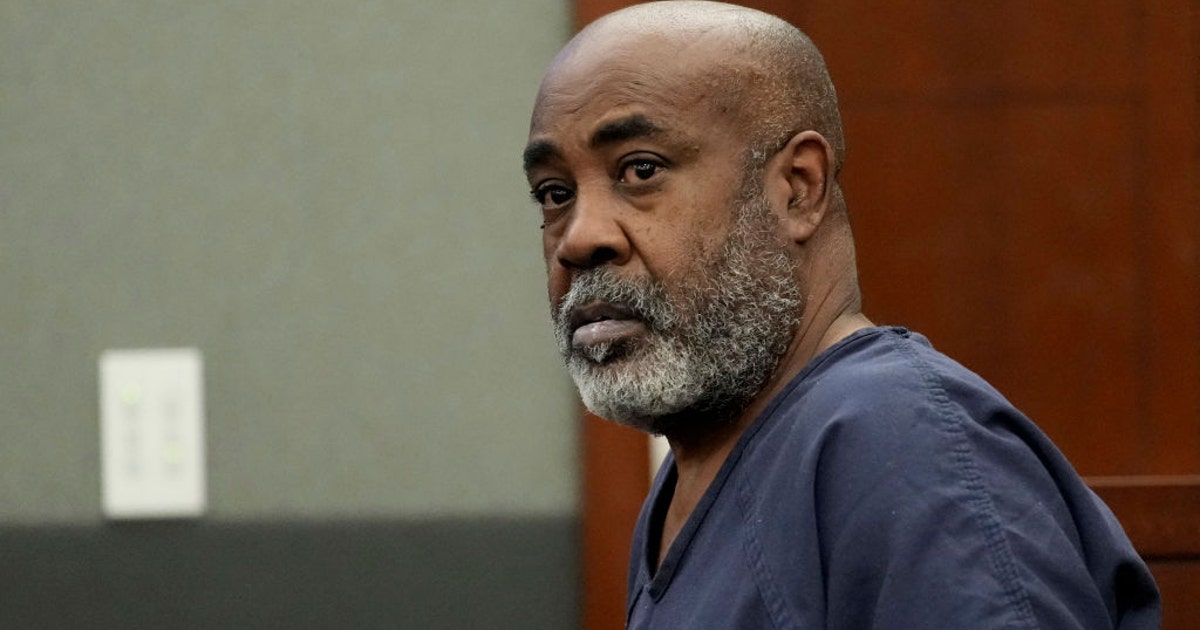
Three other men were with Davis in the Cadillac, including his nephew, Orlando “Baby Lane” Anderson, but Davis is the only person still alive, and none of the others faced charges before they died. In his memoir, Davis said he obtained a handgun from an associate and tossed it into the back seat of the Cadillac. In his 2008 interview, Davis said that Anderson “popped them,” though Anderson denied involvement at the time before dying two years later in an unrelated gang shooting in Compton, California.
Trial Expectations and Media Context
The trial is expected to take about four weeks. The 2008 interview previously featured in former Los Angeles Police Department Detective Greg Kading’s book Murder Rap: The Untold Story of the Biggie Smalls & Tupac Shakur Murder Investigations,
and portions of the recording were played in documentaries including Sean Combs: The Reckoning.
Davis wrote in his book that investigators were clearly shocked and surprised
when he began answering questions, and expressed regret about speaking with them, writing, It kills me on the inside to know that I told them anything.
Brian Hickerson Detained and Brother Arrested After South Carolina Altercation
Brian Hickerson, the on-again, off-again boyfriend of the late actress Hayden Panettiere, was briefly detained by police officers...

Female Athletes Criticize Sydney Sweeney’s Sexualized Novig Ad Campaign
Actress Sydney Sweeney faces widespread internet backlash following her nearly nude promotional campaign for sports prediction app Novig,...
Ryan Garcia Defeats Conor Benn via Second-Round TKO in Las Vegas
Ryan Garcia ruthlessly defeated Conor Benn by second-round technical knockout on Saturday night at T-Mobile Arena in Las...
Jeremy Thomas, Oscar-Winning British Film Producer, Dies at 77
Oscar-winning British film producer Jeremy Thomas, celebrated for championing international auteurs and independent cinema on classics including The...