
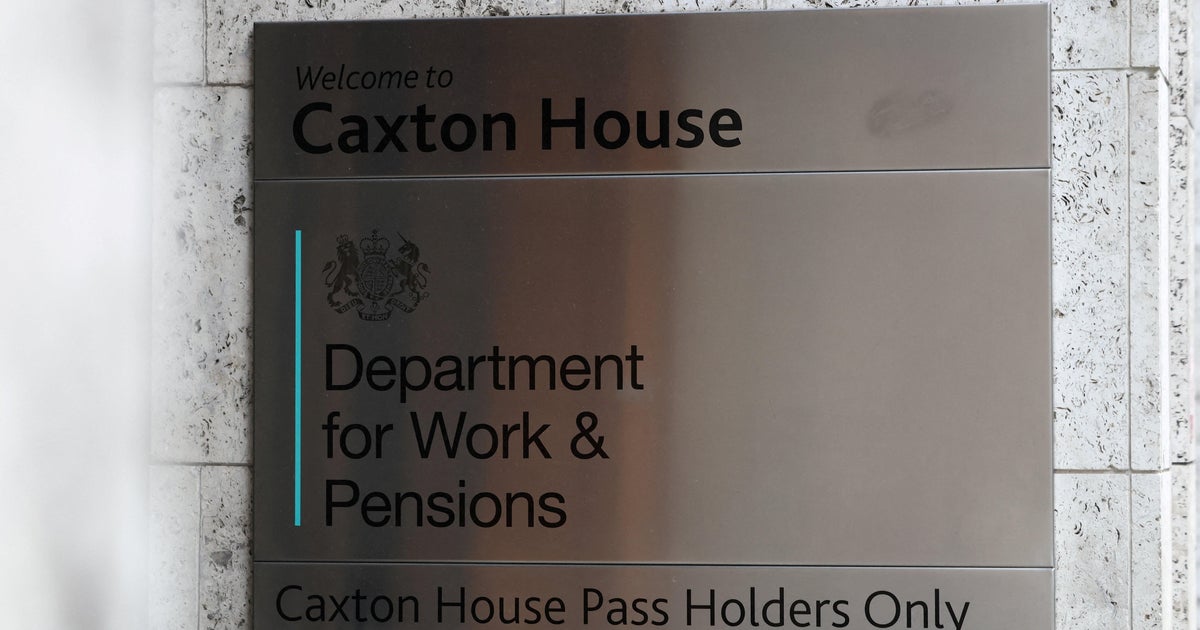
The UK Department for Work and Pensions confirmed Saturday that a deliberate cyberattack forced it to take online benefits and pension services offline on Thursday, though regular payments to millions of claimants continue uninterrupted.
Payments continue while portals stay down
Regular benefit and pension payments are being made as normal. The DWP said no claimant will be sanctioned for failing to update online journals or attend appointments while the portals are down.
People who need urgent help are being directed to call the usual benefit helplines, though staff are dealing with higher call volumes. Online applications for new claims, changes of circumstance and mandatory job-search activity remain unavailable as of Saturday evening.
If you have experienced delays or other issues with payments following the DWP cyber incident, call our helpline in the usual way Customers who do not attend or cannot update their circumstances will not be sanctioned. Sanctions already processed earlier will still apply pic.twitter.com/lCDc1mV46z
“As we work to safely get our services back online, customers directly affected by this incident will not face sanctions,” said DWP spokesperson.
Claimants have reported anxiety over the outage. Jacob Dwight, a 21-year-old design graduate from Stockport, told the BBC he risks losing a quarter of his income because he cannot access his Universal Credit account to explain a missed meeting.
“More importantly, UC is essentially paying my heating bill at the moment,” he said. Benyamin Abdollahi, a 19-year-old student and full-time carer from Birmingham, said his Carer’s Allowance had not arrived, forcing him to borrow from friends and risk missing university because he cannot afford petrol.
Investigation points to hostile actor, but attribution withheld
The Telegraph reported that officials are investigating whether a hostile state — Russia, Iran or China — was behind the breach, though no evidence has been made public. Downing Street said Friday there was no indication other government departments had been targeted.
Significant cyber incident in UK, where pensions and benefits systems are now offlinehttps://t.co/aIU619v0XQ
The DWP has not disclosed how the attackers attempted to gain access, whether any data was exfiltrated, or which specific systems were reached. Dame Sarah Healey, the department’s permanent secretary, told MPs earlier this month that her staff were working with “extremely old computer systems” and that cyber resilience was “one of the things that keeps a new permanent secretary awake.”
David Knott, who led the government’s technology team until December 2025, told BBC Newsnight the decision to remove citizen-facing services strongly signalled an attack. “The government has been very sensible in using quite precise language, and being very evidence-based in the way they've reported it,” he said.
The NCSC’s chief executive, warned earlier this month that AI-powered malware would likely enable ransomware attacks on UK critical infrastructure by 2028, allowing “vulnerabilities that have been tolerated for far too long” to be exploited “at a scale that was once unimaginable.”
pensions secretary calls cyber security vital
Shadow work and pensions secretary Helen Whately called the attack “extremely concerning” and said cyber security is vital to national security.
Shadow AI minister Ben Spencer argued the government cannot “demand higher standards of cyber security from others without demonstrating that government are taking the necessary action to protect their own systems.” The PCS trade union, representing DWP civil servants, criticised years of underinvestment in IT infrastructure and noted the department had opened a voluntary redundancy scheme in its technology division days before the incident.
“People rely on these systems for some of the most essential services the state provides, and they should be able to trust that the tech and data underpinning them are secure and resilient,” said Dame Chi Onwurah, chair of the House of Commons Science and Technology Committee.
The government points to a £210 million cyber action plan and a £130 million investment in AI cyber defence announced in October, part of a wider £600 million cross-government AI package.
government keeps regular payments flowing
Work and Pensions Secretary Pat McFadden described the event as a “serious cyber incident” and told reporters the government took systems down to protect the public and personal information while keeping regular payments flowing, according to The Guardian.
Downing Street said on Friday it had no evidence that other departments were being targeted in cyber attacks, a point echoed by the Telegraph. The DWP also warned users it would never message them to ask for bank details or ask them to click on links.
Some DWP services have been taken offline as a precaution following a cyber incident pic.twitter.com/O0CXl8Z27T
Debbie Abrahams, Labour chair of the work and pensions committee, supported the decision to take services offline and said the DWP had acted swiftly to contain potential further damage and restore service as soon as possible, the Guardian reported.
officials investigate state breach cause
The Telegraph reported that officials are investigating whether a hostile state — Russia, Iran or China — was behind the breach, though no evidence has been made public.
The DWP confirmed on Saturday evening that an external actor had gained unauthorised access to its systems and said it was working alongside the National Cyber Security Centre and Government Cyber Coordination Centre to understand the cause. The department has not announced when all services are expected to be available again, the Guardian noted.
The Register added that the Government Cyber Unit leads the wider Government Cyber Action Plan, backed by more than £210 million.

A pattern of escalating disruption
The DWP breach follows a string of high-profile incidents across the UK and US in recent weeks. The US Treasury’s Financial Crimes Enforcement Network took systems offline after detecting unauthorised access. FIFA confirmed hackers accessed a limited set of data.
British meat suppliers saw industrial refrigeration units fail after hackers targeted third-party supermarket software across Europe. Retailers Next and Asos disclosed separate breaches. A major Microsoft outage knocked Outlook, Teams and cloud services offline globally, though Microsoft attributed that to a technical issue rather than an attack.
Technology critic Bill Thompson described the DWP shutdown as an “extreme measure but also a very sensible one.” BBC cyber correspondent Joe Tidy called taking services offline a “Hail Mary” response that kicks attackers out to prevent further intrusion.
The DWP has not said when full online services will return. For claimants like the mother of two who told BBC Radio 4 she usually receives Universal Credit on the 27th with bills due on 1 December, the wait has immediate consequences.

Indonesia Police Question Jokowi Ally Budi Arie in Treason Probe Linked to Prabowo
The National Police have questioned a close associate of former president Joko "Jokowi" Widodo in a treason probe...

Simulations Suggest Earth-Like Planet Beyond Neptune, Says Lykawka
New simulations suggest a hidden world, about twice Earth’s mass, could be lurking beyond Neptune, potentially explaining the...
End-Tidal CO₂ Drops Track Severe Cerebral Desaturation in Neonates During Non-Cardiac Surgery
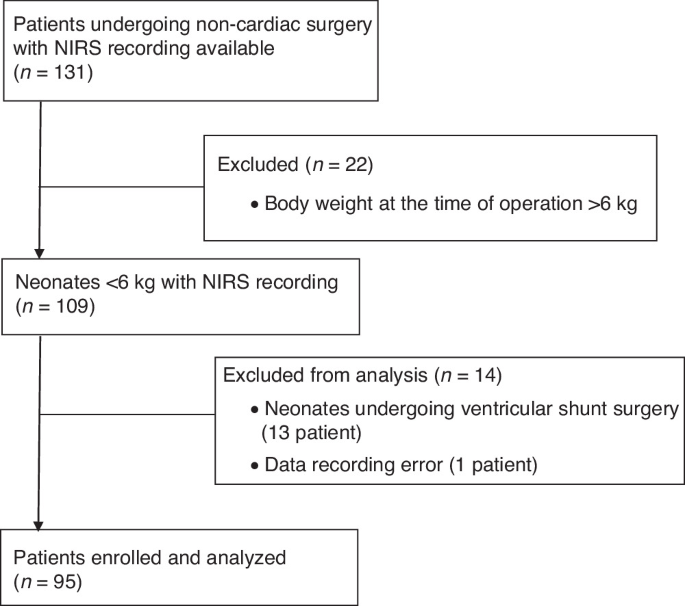
Cerebral desaturation occurred in nearly four of five infants undergoing non-cardiac surgery, and the deepest drops tracked closely...

Sotto Wants DICT to Crack Down on Abortion Drugs Sold Online
"These murderers should be charged immediately," Deputy Majority Floor Leader Joel Villanueva said Friday during Senate budget deliberations...