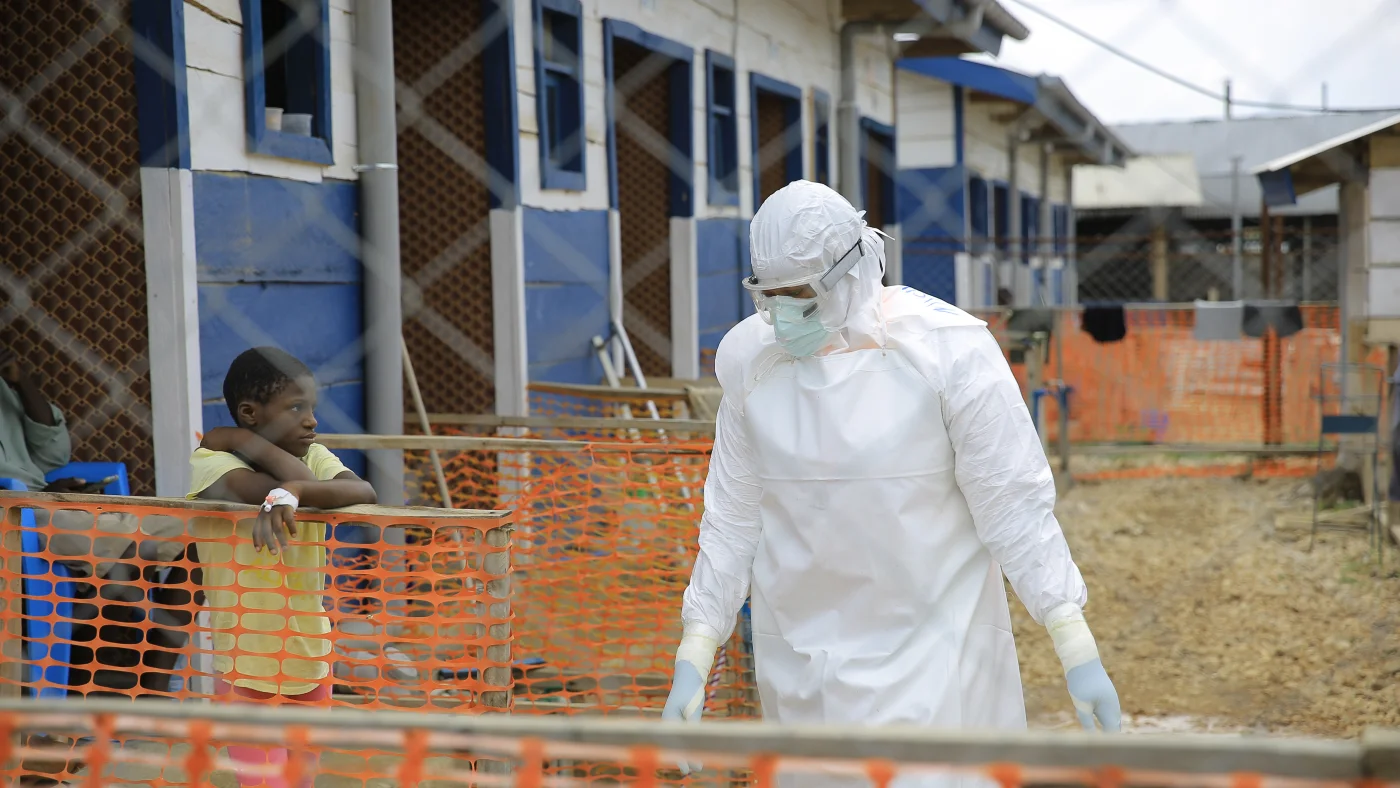
The Ebola outbreak currently gripping the Democratic Republic of the Congo has officially crossed the threshold of 11,000 infections, marking a grim escalation in what has become the nation’s deadliest encounter with the virus.
Government officials confirmed Wednesday that 11,042 cases have been recorded since the resurgence began in mid-May, with the death toll climbing to 5,387. This figure highlights the severe challenges local health authorities face as they attempt to contain a pathogen that is showing no signs of retreat.
I joined NPR Morning Edition to talk about the Ebola outbreak in the DR Congo We learned too much, too quickly, for this outbreak to be anything but a big problem We talked about the challenges of the response and where this likely headed Have a listen:https://t.co/reB6stTuaQ
The virus responsible for this crisis is the Bundibugyo virus, a variant that has historically been less common than the Zaire species but is proving exceptionally difficult to manage. This specific strain currently lacks an approved vaccine or treatment, leaving frontline workers to rely heavily on supportive care. The situation is further complicated by the fact that the virus has now spread across eight of the country’s 26 provinces.
The Human Toll of Regional Instability
The logistical nightmare of delivering care in the conflict-ridden provinces of Ituri and North Kivu cannot be overstated. Health workers are navigating not only a biological emergency but also a landscape of armed conflict, crumbling infrastructure, and deep-seated community mistrust. These factors have frequently turned medical facilities into targets, and many residents—skeptical of the virus’s reach—have actively resisted or even attacked the teams attempting to provide aid.
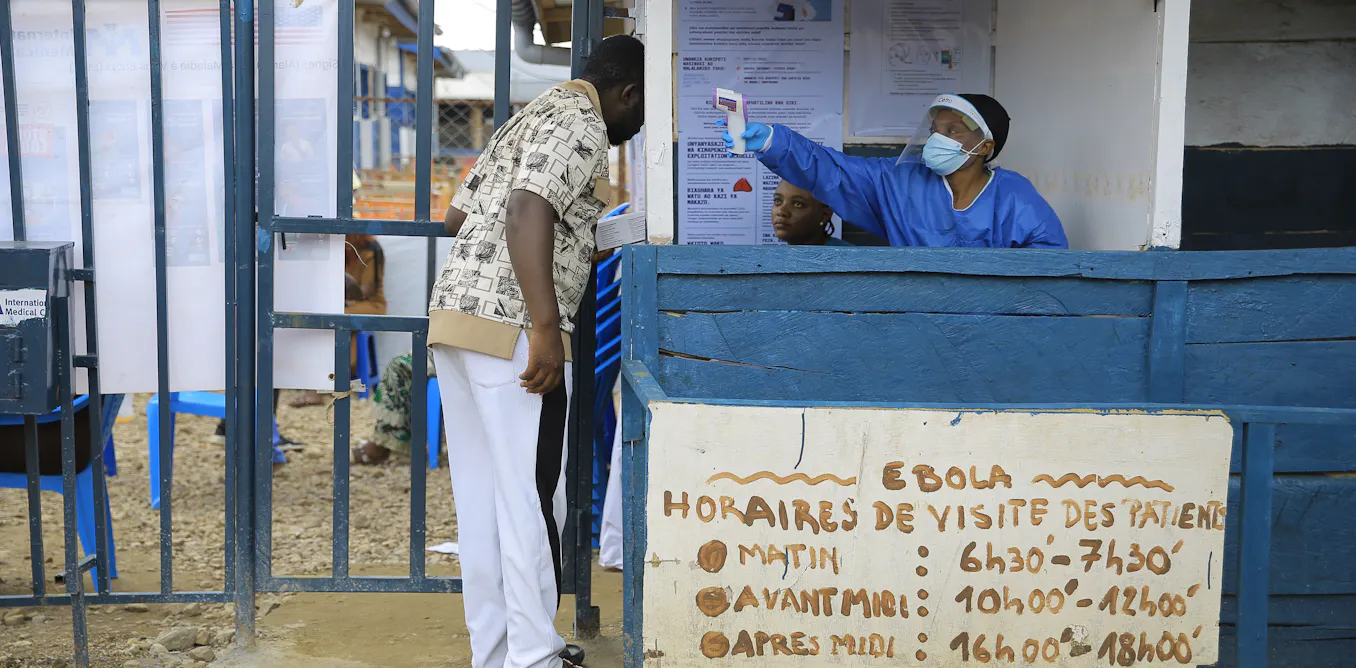
The data from the World Health Organization illustrates just how concentrated the suffering remains. As of November 3, Ituri province led the country with 7,485 cumulative confirmed cases and 3,532 deaths. North Kivu follows with 2,593 confirmed cases and a provincial case fatality rate of 54.8%.
The reality on the ground is that hundreds of deaths continue to occur within communities rather than in controlled treatment centers, a clear signal that the public health net is not reaching those who need it most.
Comparing the Current Crisis to History
Epidemiologists are watching this trajectory with alarm, as it already ranks as the second-largest Ebola outbreak in history. It sits behind only the 2014–2016 West Africa epidemic, which saw 28,000 infections and more than 11,000 deaths. However, the current spread in the Congo has moved at a significantly faster pace, recording at least three times the volume of cases and deaths in the same timeframe since its initial declaration.

The danger of cross-border transmission remains a primary concern for international health bodies. While Kenya and Nigeria have reported cases, high-level transmission in the Democratic Republic of the Congo indicates a continued need for regional readiness, including surveillance and monitoring at points of entry.
Jean Kaseya, director general of the Africa Centres for Disease Control and Prevention, recently drew a sobering parallel to the early stages of the COVID-19 pandemic, warning that countries often underestimate their risk until they become the next hotspot.
Jean Kaseya, director general of the Africa Centres for Disease Control and Prevention, said the main message to ministers is that they have to understand they could be affected, and that the Africa Centres for Disease Control and Prevention does not want them to be surprised by what could happen.
The Economic and Global Stakes
Addressing an outbreak of this magnitude requires more than just medical supplies; it requires massive financial mobilization to keep systems from collapsing.
International partners have pledged significant support, with the U.S. reporting $887 million in assistance as of September 2026, and the Africa Centres for Disease Control and Prevention tracking nearly $3 billion in total global pledges. Despite these funds, the gap between the emergency response and the communities it aims to protect remains wide.
For the average reader, the “so what” factor is found in the interconnectedness of modern travel and the fragility of public health systems. While the only non-African country to confirm a case thus far was France—involving a doctor who recovered in July—the international community is closely monitoring the two new candidate vaccines recently recommended for trial.
As Tyler Evans, an infectious disease physician, said, the focus must remain on ensuring the disease does not cross borders, necessitating a serious and sustained global response.
The path forward remains uncertain as health authorities call for a halt to regional fighting to allow medical professionals access to the sick. Whether current containment strategies will be enough to break the cycle of transmission in the coming weeks is a question that remains unanswered, leaving the region in a state of high alert.
Worth a look

Wicklow County Council and Coredale Limited Announce Wicklow Gaol Reopening
“We are delighted to have been entrusted with the operation of Wicklow Gaol,” said Edward Horgan of Coredale...

The Role of Chemotherapy in High-Risk Gestational Trophoblastic Neoplasia – Oncology Central
Multiagent chemotherapy remains the definitive standard for treating high-risk gestational trophoblastic neoplasia, according to a review published in...
World Leaders to Attend ASEAN Summit in Manila, Where South China Sea Code Is High on Agenda
World leaders gather in Manila this week as the Association of Southeast Asian Nations opens its 49th summit...

From Pilot to Entrepreneur: Natasha Chaudhary Launches Everyday You Women’s Wellness Brand
After a decade spent navigating the skies for IndiGo, Natasha Chaudhary has pivoted to a different kind of...