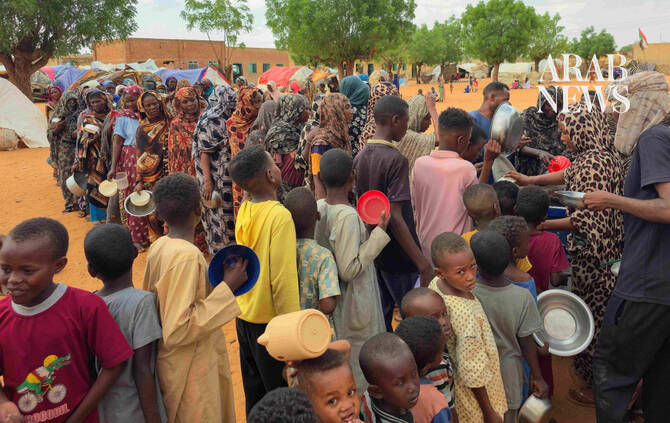
As half a million civilians remain trapped under relentless drone attacks in Sudan’s El-Obeid, UN investigators warned on July 6, 2026, that the North Kordofan capital risks suffering the same genocidal atrocities and starvation tactics that devastated El-Fasher last year.
What began as an intensifying paramilitary noose around a vital trade hub has triggered urgent international alarms. Monitors fear the city could replicate the fall of El-Fasher, where invading forces executed thousands of civilians in October 2025.
Escalating Drone Strikes and Strategic Siege Tactics in North Kordofan
El-Obeid sits on a crucial desert edge linking Darfur, Kordofan, and central Sudan. Known locally as the Bride of the Sands,
the strategic capital features an oil pipeline, a major Arabic gum market, and a key military airbase holding the Sudanese Armed Forces’ 5th Infantry Division. Yet this vital logistics center now endures near-daily bombardment.
The Rapid Support Forces have steadily tightened their control around the southern, western, and northern approaches while targeting vehicles moving from the east. In June alone, the UN verified 15 drone strikes that killed at least 45 civilians across El-Obeid and its surrounding areas. Subsequent reporting from an international coalition noted that ten consecutive days of strikes killed at least 50 civilians while destroying local power stations, water supplies, and medical facilities.
“Funerals have been targeted, fuel stations, medical facilities — they (the RSF) are really squeezing the life out of El-Obeid.”
Arab News
While local analysts debate whether the military encirclement constitutes a formal siege due to limited data on completely sealed exits, the practical impact mirrors one. Constant bombardments paralyze basic municipal services and restrict humanitarian access for the 500,000 residents trapped inside, including 105,000 previously displaced individuals.
Shadow of El-Fasher Looms Over International Warnings
International warnings intensified when ICC Deputy Prosecutor Nazhat Khan told the UN Security Council that Sudan stands on the brink of further mass atrocities. Simultaneously, the UN Human Rights Council adopted a resolution on July 6 to investigate ongoing violations in El-Obeid, following separate determinations by independent UN missions that past assaults bore the hallmarks of genocide.
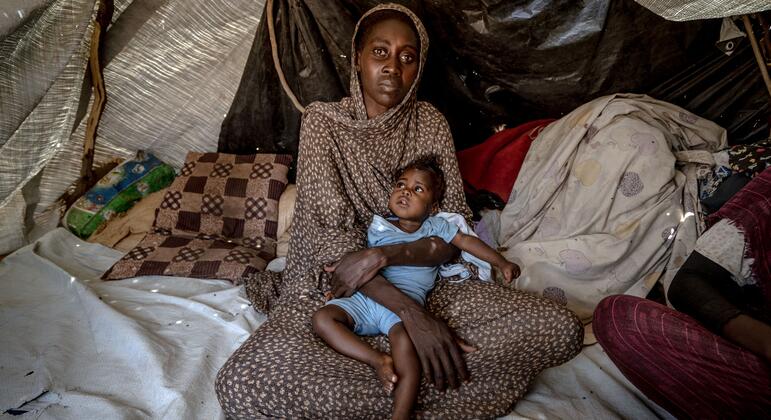
The current danger draws direct comparisons to El-Fasher, which fell in October 2025 following an 18-month siege. During that campaign, invading paramilitary troops carried out door-to-door executions, identity-based killings, and deliberate starvation. Amnesty International subsequently classified those massacres as ethnic cleansing, while a UN Fact-Finding Mission detailed patterns of systematic abuse against civilians.
Experts emphasize that while the ethnic dimensions driving the violence in Darfur differ from those in North Kordofan, the threat to civilian lives remains extreme. Mohamed Refaat, the International Organization for Migration’s chief of mission in Sudan, warned that inaction now will guarantee another humanitarian catastrophe.
A Humanitarian Crisis Compounded by Funding Shortages and Fear
Inside the embattled city, residents face compounding hardships. The Yale Humanitarian Research Lab documented severe electricity and fuel shortages resulting from targeted generator and power grid strikes. Medical facilities struggle to maintain operations amid blackouts and water disruptions.

Relief operations remain severely constrained. The IOM-led Shelter Cluster stands as one of the most underfunded humanitarian operations in the country, limiting aid distribution to vulnerable families. Although transport buses continue operating along open routes, many residents cannot afford tickets, while others fear drone strikes targeting the highway out.
| Metric | Figure | Source |
|---|---|---|
| Trapped Population in El-Obeid | 500,000 civilians | Al Jazeera / IOM |
| Displaced Persons in the City | 100,000 to 105,000 | Al Jazeera / The New Arab |
| Nationwide Displacement Crisis | More than 14 million people | Arab News / Al Jazeera / UN |
| Nationwide Humanitarian Need | 33.7 million people | Arab News / UN |
Strategic Stakes and the Path Ahead
Independent analysts note that capturing El-Obeid would provide the RSF with a vital corridor connecting its western strongholds in Darfur to central regions, helping rebuild its political influence after losing Khartoum in March 2025. Conversely, holding the city preserves the Sudanese army’s primary logistics network across Kordofan.
Worth a look

South Africa Mass Shootings in Wedela and Lwandle Kill 27 People
Two separate mass shootings in South African townships over the weekend killed 27 people within hours of each...

Malaysia to End Search for 55 Missing Citizens in Nepal
Thirty-three days after glacial flash floods struck Nepal, families of 55 missing Malaysians pressed government officials in Putrajaya...

Tigst Assefa Wins Berlin Marathon Despite Injury and Cramps
Ethiopian Tigst Assefa won the Berlin Marathon on Sunday, September 27, 2026, clocking the third-fastest time in history...
Bangkok Governor Chadchart Sittipunt Declares Citywide Flood Disaster
Bangkok Governor Chadchart Sittipunt declared a citywide flood disaster across all 50 districts on Saturday after nearly 300...