U.S. envoys Steve Witkoff and Jared Kushner met Russian President Vladimir Putin in Moscow for two hours on Thursday, reporting progress toward ending the war and confirming that European representatives will join the next round of peace talks.
Moscow Envoys Push for European Inclusion
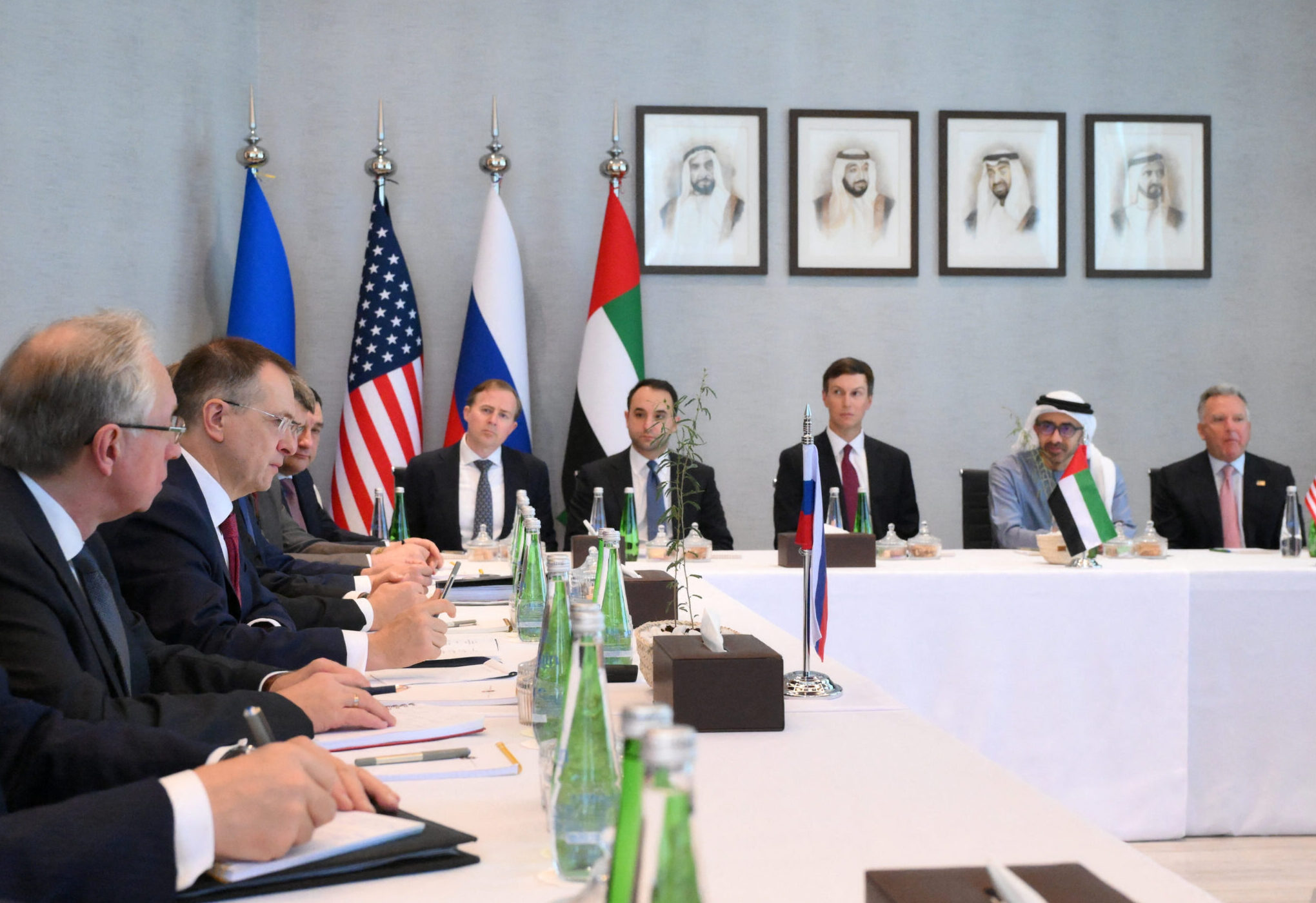
The Kremlin meeting followed two days of trilateral negotiations in Abu Dhabi between Ukraine, Russia, and the United States.
The Abu Dhabi sessions on November 10 and 11 failed to secure a territorial breakthrough or a ceasefire. They produced an agreement in principle on what Kushner described as the largest prisoner exchange of the war.
Speaking to reporters before leaving Moscow’s Vnukovo Airport, Witkoff said that outside observers had doubted the diplomatic track could be revived. “People didn’t think that we were going to restart trilateral. We’ve restarted it. We’ve set a new meeting. This is exactly what President Trump wants,” he said.
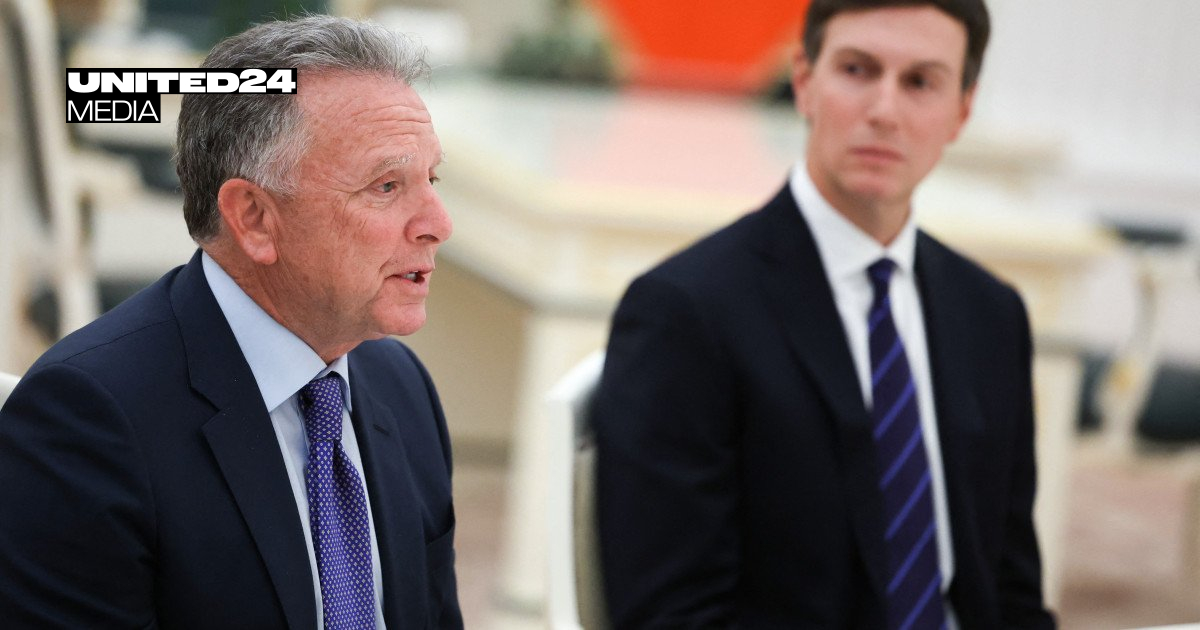
Characterizing the session with Putin as comprehensive and exhaustive, Kushner said that all central topics were addressed. Yuri Ushakov, serving as a Kremlin aide, deemed the discussions beneficial, said that direct communications with Kyiv would persist, and revealed that Putin intends to discuss Ukraine alongside President Donald Trump during the Asia-Pacific Economic Cooperation summit scheduled in China later this month.
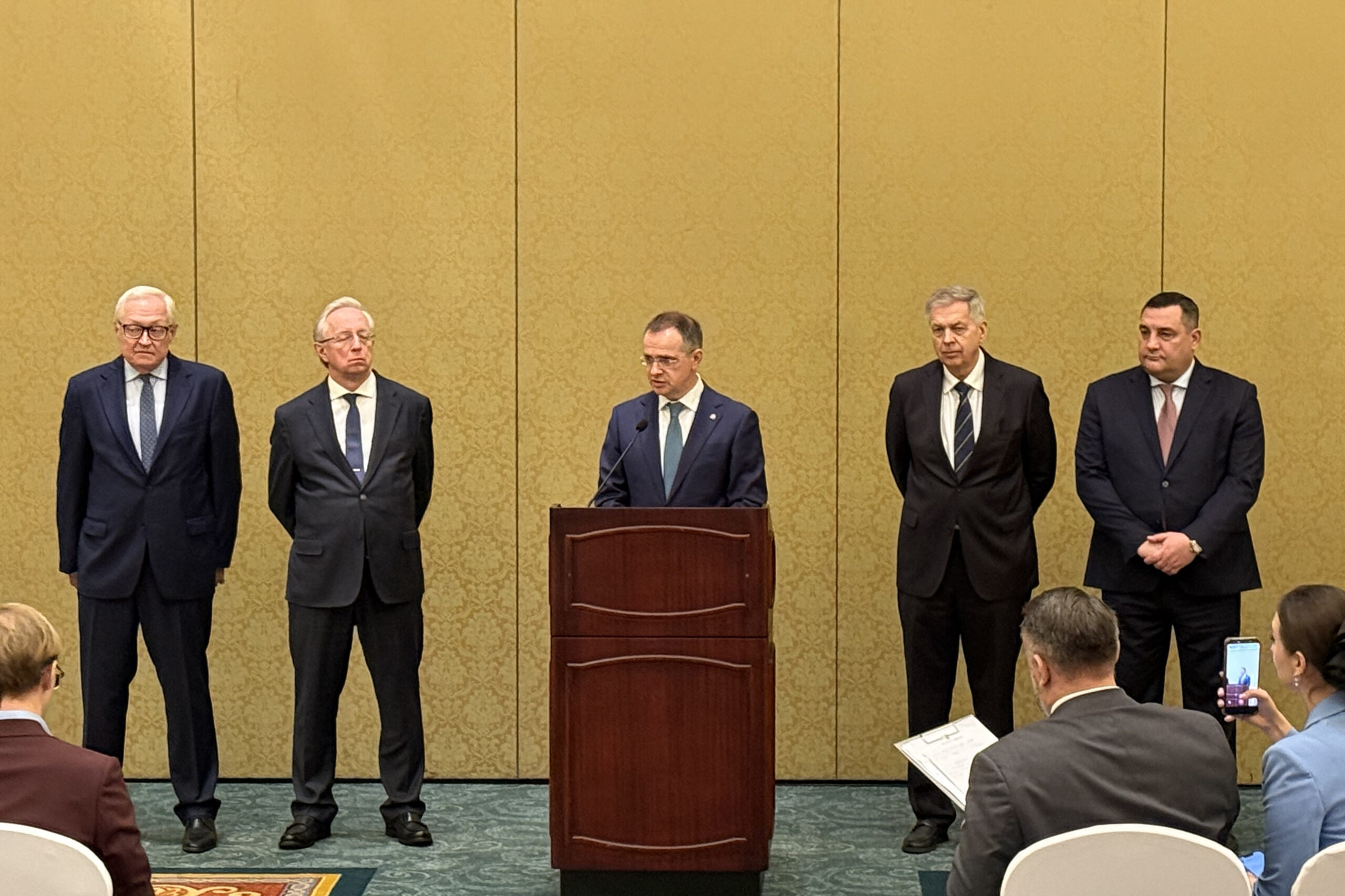
On November 11, 2026, Russian presidential adviser Vladimir Medinsky held a press conference in Abu Dhabi where he said Moscow would carry on with negotiations involving Kyiv while seeing no utility in convening with European officials for conflict-resolution talks.
Previously, Russian Foreign Minister Sergey Lavrov voiced disapproval regarding the presence of European representatives in Abu Dhabi, characterizing their involvement as unpromising.
Dublin Briefing with Ukrainian Leadership
Following the Moscow discussions, Witkoff and Kushner met Ukrainian President Volodymyr Zelenskyy in the Irish capital on November 13.
Zelenskyy verified that European delegates would participate directly in the upcoming session rather than remaining on the sidelines independently.
“This is important for us because the war is in Europe,” Zelenskyy said.
Kushner said participation from Europe is important because it is a U.S. partner, adding alongside the Ukrainian president, “We cannot conclude this deal without Europeans being at the table.” Zelenskyy said that the agenda for the next round would cover de-escalation and possible ceasefires, and announced that the talks yielded the largest prisoner exchange of the war so far between Moscow and Kyiv.
Putin Proposes New Security Architecture While Rejecting NATO Expansion
During the meeting at the Kremlin, Putin restated Moscow’s core positions and offered one new step. He told the U.S. envoys that NATO could not expand further and expressed hope that Europe would support talks on a new European security architecture, recalling proposals Russia made in 2021.
Putin also voiced vocal objections to the deployment of European troops in postwar Ukraine and sought to limit the size and capabilities of the Ukrainian military.
The talks in Abu Dhabi involved a Ukrainian team led by Rustem Umerov, the head of Ukraine’s foreign intelligence service. According to Arakhamia, the discussions generated positive momentum toward achieving a resolution before the year’s conclusion, and he suggested the subsequent meeting ought to be multilateral, incorporating European representation rather than remaining trilateral. Medinsky, for his part, said more talks would be held in the near future.
Despite these exchanges, Thursday brought no movement on territory. Putin said that he would not soften his claims, “This is a country of our nation, it is not real estate,” Ukrainian President Volodymyr Zelenskyy asserted regarding the Donbas. and Putin’s demand that NATO cannot expand further restated a position Kyiv rejects.

Insisting on full command over lands within Ukraine’s vital eastern Donetsk region—areas that Russian military forces have failed to capture through combat—is a core objective for the Kremlin in any prospective peace arrangement.
Driven by the belief that the 1991 birth of an independent Ukraine left historical Russia fractured and constituted a profound injustice, Putin has said that Ukrainian territory rightly belongs to Russia.
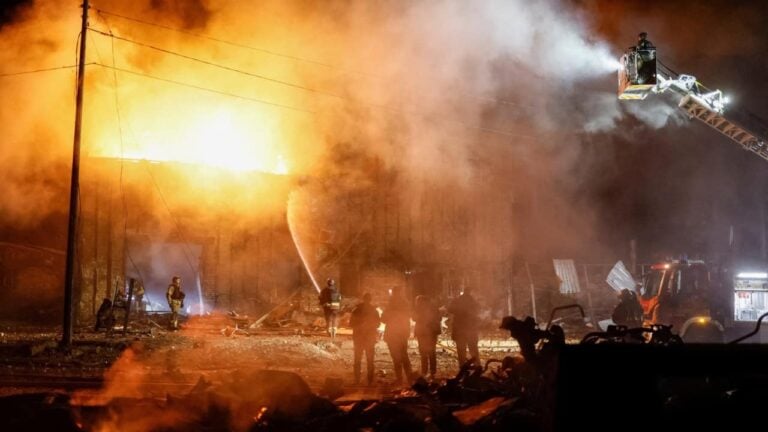
Negotiations occurred while military escalations continued, including a Russian missile attack on Kyiv on November 7 that injured residents.
Earlier coverage: US Envoys Arrive in Moscow for Talks With Putin
Worth a look
Russia Strikes Ukraine Energy Grid, Killing Two and Disrupting Power
Russian ballistic missiles and drones struck Ukrainian energy infrastructure, killing at least two people and disrupting electricity, water,...

US Charges Three Men for Allegedly Plotting Attack on UK Base
Federal prosecutors charged three men with plotting an Iran-backed attack on a British military base housing U.S.
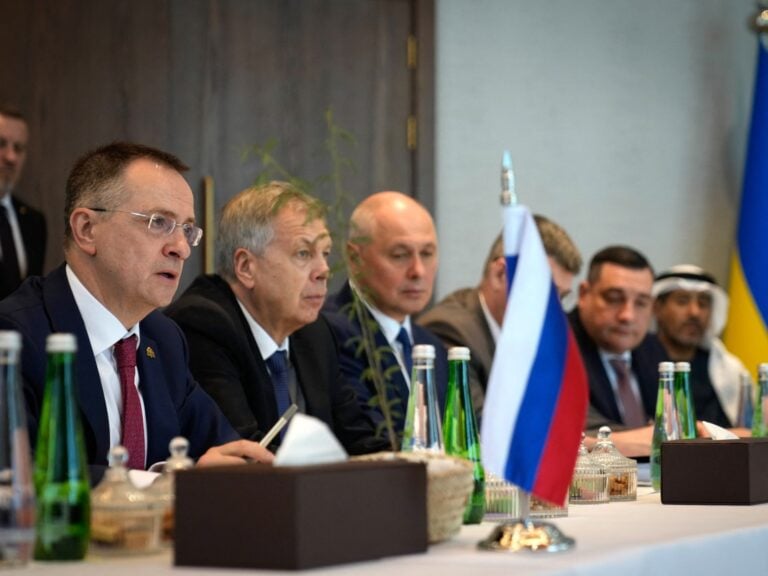
Zelenskyy Calls Abu Dhabi Talks Constructive and Substantive
Delegates from Ukraine and Russia concluded the first day of resumed trilateral peace talks in Abu Dhabi on...
On Dakar’s Packed Beaches, Africa Welcomes Its First Youth Olympics
Dakar has officially become the capital of African youth as the first Olympic event on the continent opened...