
Identifying Detroit Diesel Engine Series for Maintenance and Repair
Determining the specific series of a Detroit Diesel engine is a fundamental requirement for anyone managing heavy-duty machinery, whether for fleet maintenance or individual restoration projects. Diesel Parts Direct recently issued a technical guide to assist operators in identifying these engine families through visual inspection of engine configurations. Understanding these mechanical distinctions is essential for sourcing the correct components and ensuring long-term engine reliability.
The Detroit Series 60. The engine that killed the Screaming Jimmy, and broke a lot of hearts. By the mid-80s, Detroit was in trouble. The old two-strokes were on their way out, Cummins was eating their lunch, and Detroit was down to under 5 percent of the market. So they did… pic.twitter.com/IyL9HTvypV
The Detroit 71 series remains a common sight in industrial applications, comprising both inline (IL) and V-configuration models. The IL 71 group includes the 271, 371, 471, and 671, while the V71 line features the 6V71, 8V71, 12V71, and 16V71. These engines are distinguished from the smaller 53 series by their physical dimensions and specific mounting points. On a 71 series engine, the governor is positioned on the front, and the water pumps are mounted directly to the blower rather than the oil cooler.
Visual Cues for the 71 and 92 Engine Families
For those inspecting an IL 71 series engine, the most prominent feature is the air box covers running along the side of the engine. The number of these plates corresponds to the cylinder count. Cylinder heads on these models fall into two categories: a cast iron version with connecting bolts along the edge of the cover, or an aluminum version with bolts running down the center. When identifying V71 engines, operators should look for the blower mounted between the cylinder heads, with the governor placed directly in front of it. Counting exhaust ports—which match the number of cylinders—provides a quick verification of the engine size.
The 92 series, which includes the 6V92, 8V92, 12V92, and 16V92, shares a similar appearance to the V71 family, often leading to confusion during part procurement. However, there are distinct structural differences. If you stand on the side of the engine and look under the cylinder head, the top of the V71 block appears curved, while the V92 block comes to a distinct point. Furthermore, the water pump on a V71 is secured by a snap ring, whereas the V92 utilizes a bolted-on plate.
Large-Scale Power and Electronic Advancements
The Detroit 149 series, featuring the 8V149, 12V149, and 16V149, represents the largest of the Detroit 2-cycle engines. Their physical scale is the primary indicator of their identity; the bare block is twice the size of other 2-cycle variants, making them unmistakable in the field. Unlike the mechanical 2-cycle families, the Series 60 represents a shift toward 4-cycle technology. As the most widely used engine in this family, the Series 60 utilizes electronic controls to achieve cleaner operation, making it the standard for many large trucks currently on the road.
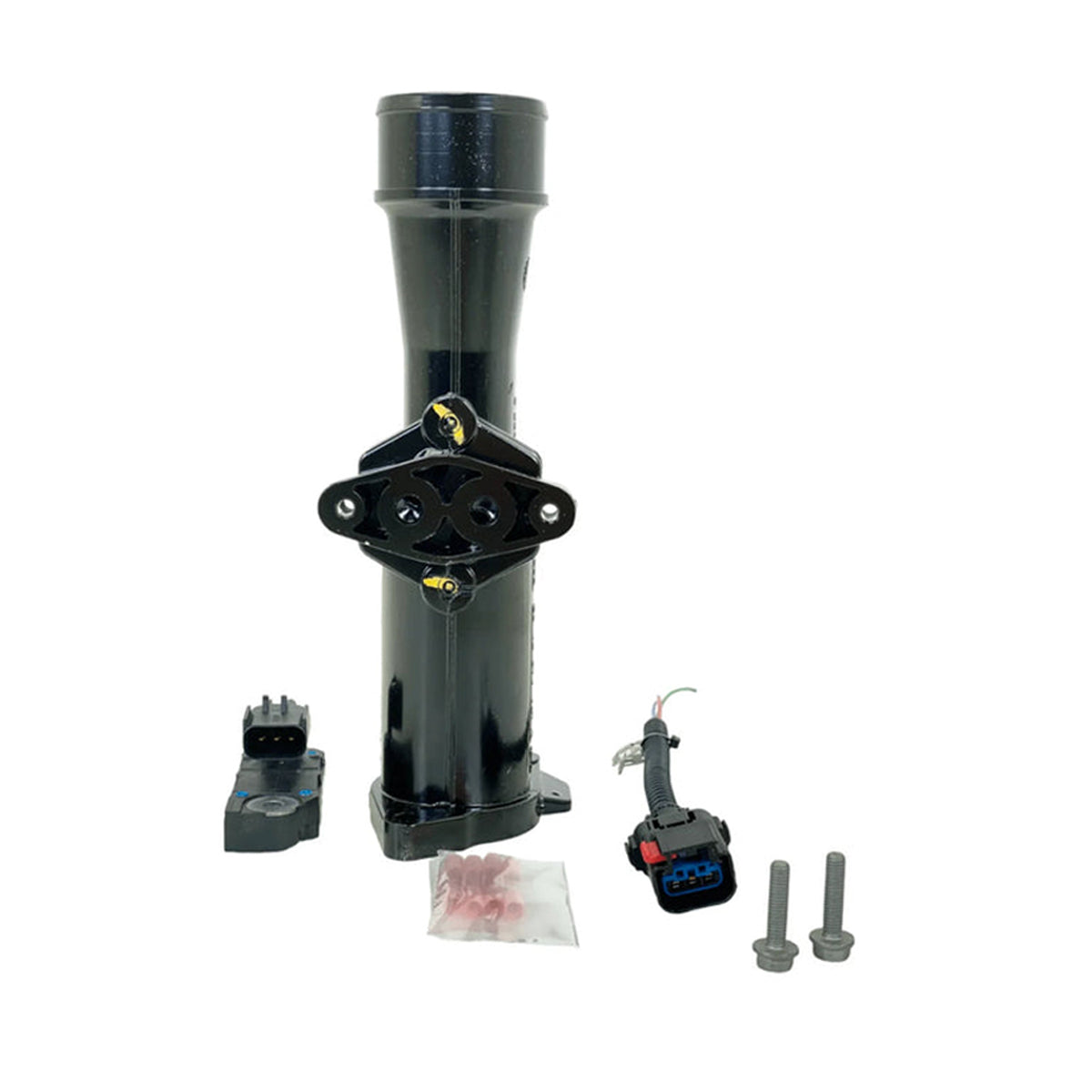
For operators managing older or specialized equipment where specific components are no longer in production, locating parts requires verified supply chains. In cases where Perkins components are unavailable through standard channels, Diesel Parts Direct recommends Delta Diesel Parts as a preferred dealer to assist in sourcing hard-to-find items. Maintaining these engines requires a precise understanding of these visual and mechanical identifiers to avoid the costly downtime associated with ordering incorrect parts.
Keep reading

Trooper Michael McGuire Relieved of Duty After Breaking and Entering Arrest
Trooper Michael McGuire, 37, has been relieved of duty by the Massachusetts State Police following his arrest on...
Maine’s eight historic covered bridges offer a secluded experience
When the conversation turns to covered bridges, the collective imagination of New England usually drifts toward Vermont. It...

Western Hills defeats Frankfort 56-16 as roster depth limits Panthers
Western Hills secures win as Frankfort’s roster limitations define the night The Western Hills football team closed its...

Five Topeka Incumbents Face Contested Kansas House Races
Topeka voters are heading to the polls today, November 3, 2026, to decide the outcome of five contested...