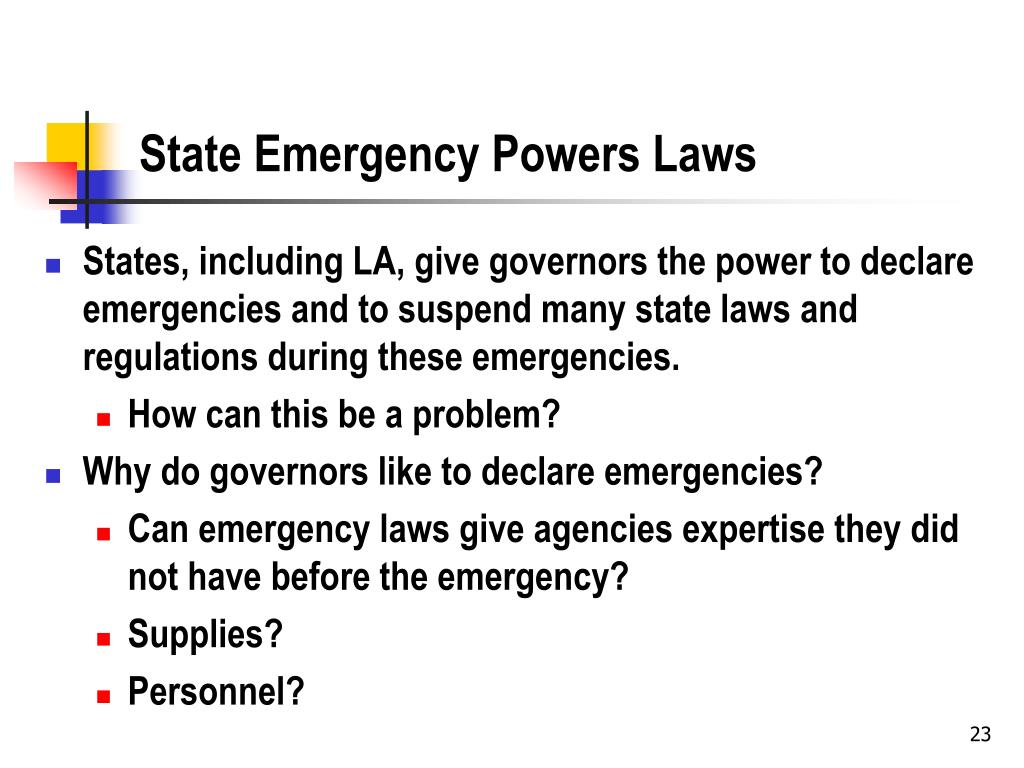
The Framework of the 1973 Emergency Management Act
When states face the sudden onset of a natural disaster or a man-made catastrophe, the legal architecture governing the response often dates back decades. Established on January 1, 1973, this legislation serves as a primary template for coordinating disaster relief and state-level military affairs. The act was designed with a clear, nine-point mission, primarily focused on reducing the vulnerability of local communities. By codifying the roles of the governor, state agencies, and local governments, the law aims to prevent the fragmentation of authority that often occurs during a crisis. It explicitly covers a wide range of threats, including natural disasters, riots, hostile military or paramilitary actions, and acts of bioterrorism.
Coordination and the Four Phases of Disaster Management
The core strength of the 1973 statute lies in its emphasis on a systemic approach to emergency management. It mandates that state governments embody four distinct phases in their operations: mitigation, preparedness, response, and recovery. This approach ensures that the state does not merely react to a catastrophe but maintains a constant state of readiness. The law authorizes state officials to coordinate their activities not only internally but also across state lines and with federal entities. This legal connectivity is vital for the rapid deployment of resources. As noted in the legislation, the objective is to provide a setting conducive to the rapid and orderly restoration of services and property.
Authorizing Emergency Health Mandates
Perhaps the most prescient aspect of the 1973 act is its specific inclusion of emergency health threats. By authorizing the exercise of “extraordinary government functions” in the face of bioterrorism or public health emergencies, the law provides a legal pathway for mandates that might otherwise be contested in a standard regulatory environment.
The primary goal is the prompt and efficient rescue, care, and treatment of persons victimized by such threats. This provision grants the state the power to respond rapidly to actual or potential emergencies, a capability that has become increasingly relevant in the decades since the law’s inception.
Delegating Broad State Disaster Powers
The impact of this framework is felt most acutely when local governments are overwhelmed by events that exceed their financial and logistical capacity. By clarifying the roles of state agencies, the act prevents the paralysis that can occur when jurisdiction is unclear. However, the delegation of such broad, extraordinary powers to a governor or state agency often invites scrutiny. Whether the threat is a flood or a public health emergency, the 1973 act remains the bedrock upon which states build their disaster management systems, ensuring that when the unexpected occurs, the machinery of government has a pre-approved script to follow.
Worth a look

Providence Rejects Plans for Micro-Hospital and ER at Laguna Beach Campus
The 22-acre South Laguna campus that has served as a medical anchor for decades is officially moving toward...
Salem Officials Report Large Sewage Spill Near Keizer Rapids Park
Sewage spill forces caution near Keizer Rapids Park City of Salem Public Works crews are managing the aftermath...

Oklahoma Election Results: Republicans Retain Supermajorities as Democrats Gain House Seats
Oklahoma Legislative Shifts: Democrats Surge in Metro Areas as GOP Maintains Supermajorities Oklahoma politics underwent a sharp, localized...

NDSU Football Faces Fluid Bowl Projections and New Locales
The Shifting Geography of the Bison Bowl Outlook As the college football postseason picture begins to crystallize, the...