The Rockefeller Foundation and the OpenAI Foundation have launched a targeted funding initiative aimed at deploying advanced artificial intelligence to revitalize city public services in underserved communities. The program requires a formal collaboration between applicants and a city government partner to ensure that proposed AI solutions are integrated directly into the municipal infrastructure.
This initiative is not merely about technological experimentation; it focuses on four specific pillars: public health, economic mobility, environmental resilience, and civic engagement. To qualify, projects must demonstrate how AI serves as a functional component of the service delivery model rather than a peripheral addition.
Grant Tracks and Financial Parameters
The funding structure is divided into two distinct tracks, designed to support projects at different stages of maturity. The Seed track provides between $500,000 and $1 million for early-stage concepts that are prepared for an initial city pilot. For solutions that have already completed a pilot and show early, documented results, the Scale track offers between $1 million and $2 million.
All grants span a 24-month period. The disbursement schedule is split equally, with 50% of the funds provided at the start of the project and the remaining 50% contingent upon a documented mid-term milestone. Applicants should note that the funder’s indirect cost policy caps support at 15%. These grants do not include provisions for follow-on funding, meaning projects must be sustainable within the provided budget over the two-year window.
Submit Application Documents by November 23
The application process is strictly managed and occurs in two stages. The first round is managed by the Office of Corporate and Foundation Relations. Prospective applicants must contact the office at [email protected] to obtain the necessary Letter of Intent (LOI) worksheet and specific details regarding the submission requirements.
The timeline for the initial phase is compressed. All LOI documents, including the funder’s required short video, must be submitted to the office no later than November 23, 2026. If a proposal is selected to move forward, the subsequent Round 2 process will be managed by the Sponsored Programs Administration (SPA).
Meet Standard Eligibility Criteria as Principal Investigator
For those considering a role as a Principal Investigator (PI), the university requires that all standard eligibility criteria are met before an application is initiated. The focus remains on tangible outcomes for underserved populations, moving away from theoretical research and toward practical applications that city governments can maintain.
Frequently Asked Questions
The current grant structure is strictly limited to a 24-month duration. Applicants are expected to design their project goals so that they can be fully achieved within this timeframe using the allotted funding.
The funder’s policy on indirect costs is fixed at a maximum of 15%. This limit applies to all proposals regardless of the track chosen.
The video is a mandatory component of the LOI submission. It is designed to provide the funders with a concise overview of the proposed solution and its intended impact on the target community before they decide which applicants to invite for a subsequent proposal.

Worth a look

Las Vegas is often framed by its neon-lit landmarks and massive resort corridors, but the true
The Global Flavors Defining Las Vegas Comfort Las Vegas is often framed by its neon-lit landmarks and massive...

Used Kids Records: Preserving Columbus’ Music Legacy and Community Connection
The Enduring Pulse of Used Kids Records In an era where music consumption has largely migrated to the...

Visitation School Supports North Minneapolis Families Through Holiday Giving
Visitation Sisters Distribute Holiday Aid in North Minneapolis The Visitation School Salesian Life and Campus Ministry Office has...
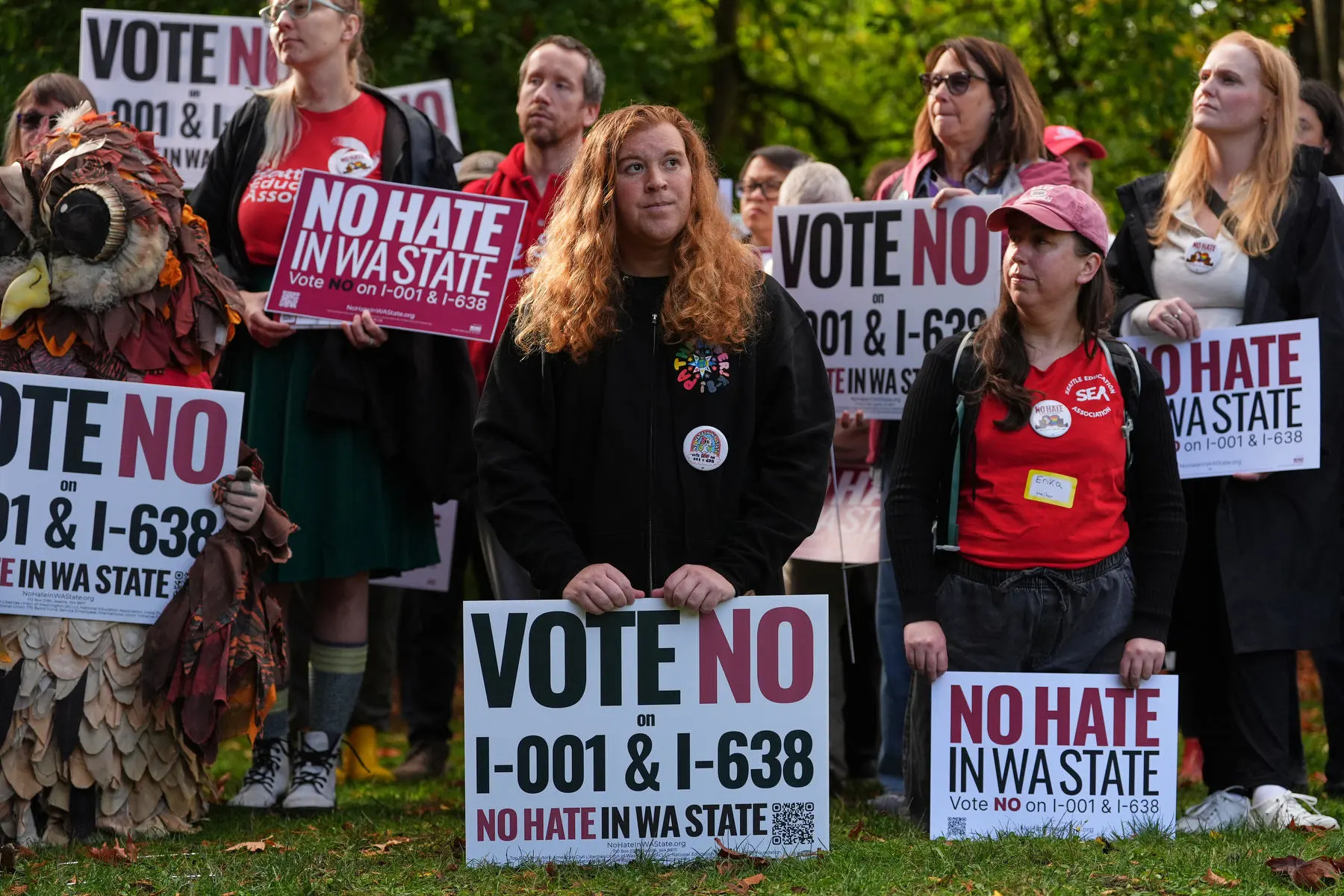
Nebraska and Arizona Voters Pass Ballot Measures Banning Transgender Student-Athletes From Girls’ Sports
Nebraska and Arizona Voters Approve Bans on Transgender Student-Athletes Nebraska and Arizona have officially passed ballot measures prohibiting...