
In a column for the Chicago Tribune, advice columnist R. Eric Thomas examines the fallout from a canceled overseas trip, arguing that the friends’ communication was “thoughtless at best, chaotic at worst.”
- A couple canceled a group trip after booking flights and moving to another state.
- The author argues the plans warranted a conversation, not a casual announcement.
- The columnist suggests a “resetting talk” to revive the relationship.
The trip had been booked and paid for by both parties, making the cancellation more impactful.
The writer learned of the cancellation during a supper with the friends. “My friend announced casually that they had decided to move to another state and were no longer going on the trip,” the letter said.
When the writer called to confirm, the friend admitted they had been considering the move for some time but had not mentioned it when initially proposing the trip. Before they moved, the friend asked the writer to go on outings, which the writer refused each time.
“I was very hurt and upset that they had not contacted us privately to tell us of their change in plans,” the writer told Chicago Tribune. The lack of direct communication was the core issue, leading to hurt feelings and limited contact over the last several years. “To me the issue was the lack of communication about their change of plans,” the writer added.

Thomas pointed out the public and casual nature of the bad news. “Hearing, offhandedly, that they weren’t going shows a strange disregard for you all,” he wrote, questioning when the couple had planned to inform them. “When you got to the airport?”
The writer’s husband had contacted the letter-writer to ask if she was upset, and he reportedly felt “that we had no reason to be upset.” The columnist noted this was a missed opportunity.
“If they suspected you were upset… they could have just as easily gone a step further and cleared the air,” Thomas argued. “Generously, perhaps this can be chalked up to the haze that comes over you when you have to plan an out-of-state move.”
The writer learned of the trip cancellation during a supper with the friends, who announced casually that they were moving to another state and no longer going on the trip.
Before they moved, the friend asked the writer to go on outings, which the writer refused each time.
After the cancellation, the friend’s husband contacted the writer to ask if she was upset. The writer has had limited contact with the friend for the last several years and believes the friend thinks they need to apologize.
“To me the issue was the lack of communication about their change of plans,” the writer added, expressing curiosity about how others would react to the situation.
Thomas suggested that if the couple believed the writer owed an apology, they should initiate a conversation about the disagreement. However, the columnist stated, “on the surface, I disagree,” with that premise.
For the writer hoping to salvage the relationship, Thomas offered a clear path forward. “If you want to revive the relationship, the best thing to do is to have a resetting talk,” he advised.
Ohio State Offense: Fahey Starts After Sayin Injury
Ohio State's offense in 2026 has been reshaped by a change at quarterback. Freshman Luke Fahey has taken...

Santa Fe Schools Reaffirm Trans Student Support Amid Federal Probe
Santa Fe Public Schools reaffirms commitment to trans students amid federal investigation. Santa Fe Public Schools reaffirms commitment...
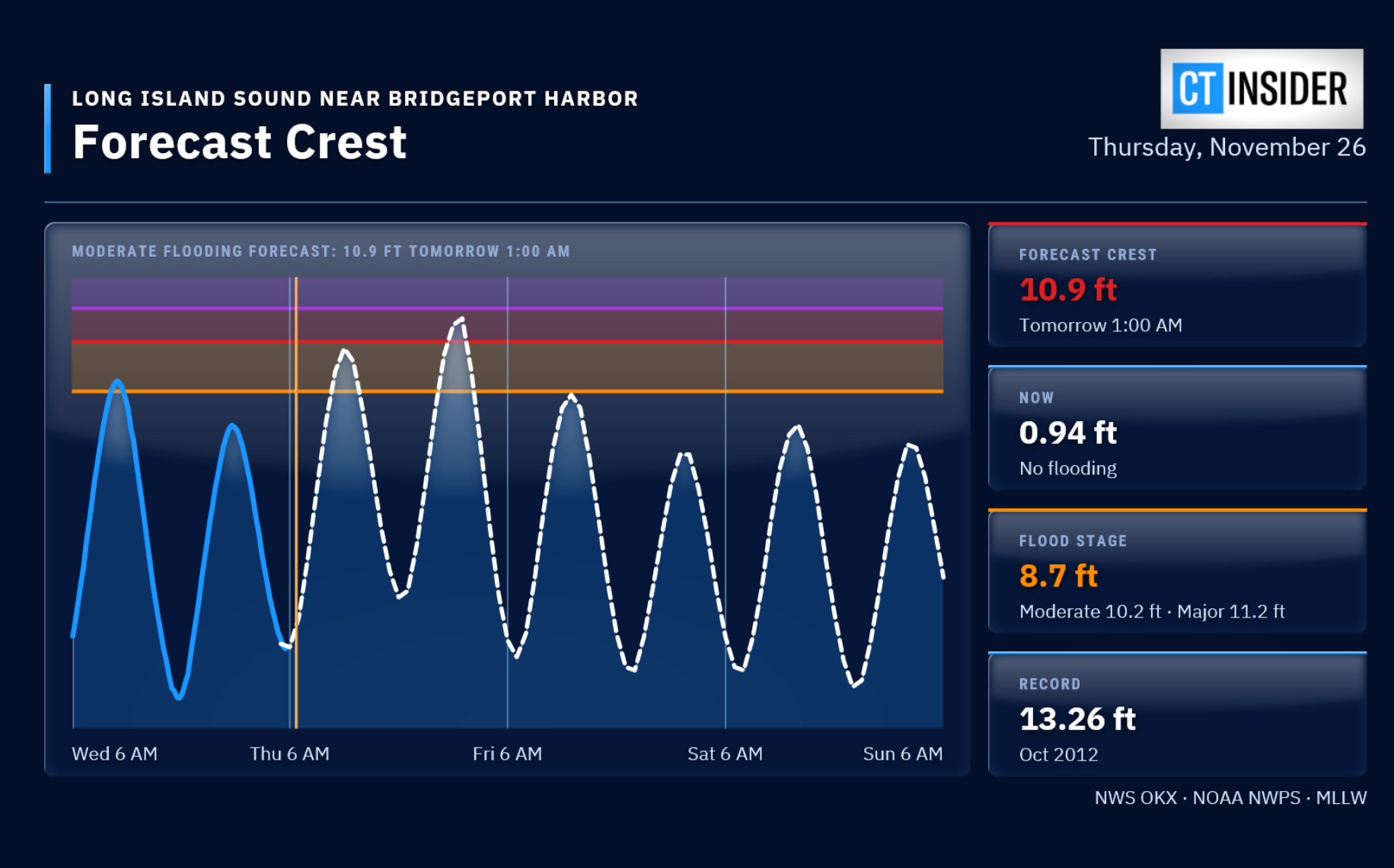
Thanksgiving Nor’easter Brings Coastal Flooding Warnings to Connecticut Long Island and New Jersey
A Thanksgiving nor’easter could push Bridgeport Harbor to its 11.2-foot major flood threshold around 1 a.m. Friday, the...

LADWP Secured $28 Million Federal Grant for Los Angeles Groundwater Project
The Los Angeles Department of Water and Power secured an additional $28 million federal grant for the Los...