
Nvidia has told manufacturing partners to halt shipments of AI servers to Malaysia, Singapore, Thailand and Indonesia, the Financial Times reported, as the Trump administration tightens export controls designed to prevent Chinese companies from accessing advanced American semiconductors through overseas data centers.
The pause follows a Commerce Department interim rule that took effect last week, requiring cloud operators outside the United States to obtain a license before renting advanced AI chips to Chinese entities. It is unclear whether the suspension is temporary while Nvidia and the server makers address compliance with the new controls, Forbes reported. The shipment freeze comes a week after Nvidia’s board reinstated Jensen Huang as chief executive and established an independent National Security and Export Control Committee. On its Nov. 17 earnings call, then-interim chief executive Colette Kress said the company had assessed the new curbs while preparing its forecast but was still studying their implications. “With demand far exceeding supply, we expect our performance to remain strong,” Kress said. Nvidia raised its revenue growth outlook for fiscal 2028 to about 75% from 70%. The reported halt is already rippling through data-center financing. Bridge Data Centers, backed by Bain Capital, is seeking to borrow $6.6 billion, but some lenders are delaying the process, citing further due diligence, Bloomberg reported.
“Considering the funds we have secured so far, we can remain unlisted for the time being,” Enscale chief executive Josh Payne told staff at an all-employee meeting the day before. Asia-Pacific data-center loans, virtually absent in 2023, exceeded $49 billion this year, according to Bloomberg. In October, seven banks including DBS, OCBC, UOB, Standard Chartered and Maybank arranged a MYR15 billion ($3.6 billion) package for DayOne, the overseas business that China’s GDS Holdings spun off in January 2025, doubling its Johor borrowing facilities to MYR30 billion ($7.3 billion), TradingView reported. Thai data-center-linked stocks fell on the news.
As of 2:10 p.m. Bangkok time, Gulf Energy dropped 0.44% to THB 57.00, B.Grimm Power declined 3.56% to THB 18.95, and Advanced Info Service fell 0.30% to THB 330, Kaohoon International reported. Industrial estate and utility shares also slipped: WHA fell 5.12% to THB 4.08, Amata dropped 7.57% to THB 23.20, and WHA Utilities declined 4.49% to THB 5.96.
Z.ai plans to release the weights of its flagship GLM-5.4 model only after “necessary security hardening,” Trending Topics reported. DeepSeek continues to train in China on Nvidia chips it stockpiled earlier and works with Huawei, the Financial Times reported.
More on Southeast Asia
Jensen is already down $44bn+ of revenue because of the closed Southeast Asia loophole per Jefferies. Moonshot already canceled an order of $150m. We are going to hit the limits of the beat-and-raise machine eventually, and hell follows from there. https://t.co/ImgI5WTLiJ pic.twitter.com/lzXlTWLtLl
Reuters published a piece. Washington left a hole in its AI chip controls for 18 months: the Trump administration shelved Biden's global license rule in May 2025 and only replaced it on November 16, 2026. During that window, data centers in Singapore and Malaysia could buy… pic.twitter.com/tuOTqfCAvT
Billions in data center deals have ground to a halt after the Nov. 16 remote access rule restricting China access to the top Nvidia chips, Bloomberg reports, as lenders have begun to stop making loans tied to China firms ByteDance, Alibaba and Tencent – even deals nearing…
Citigroup, Standard Chartered, DBS, OCBC and UOB are reviewing their data center clients in Singapore, Malaysia and elsewhere after the US unveiled new chip rules asking who uses the chips, with neoclouds a key focus, Bloomberg reports, citing unnamed sources. #semiconductors…
FT just reported Nvidia froze south-east Asian server shipments days after Washington targeted Chinese labs renting cloud compute. The pause follows a US Commerce Department interim rule requiring licences for advanced AI chips in those countries, plus Brazil. Chinese AI labs… pic.twitter.com/SNivRvSDcu
Worth a look
Ohio State Offense: Fahey Starts After Sayin Injury
Ohio State's offense in 2026 has been reshaped by a change at quarterback. Freshman Luke Fahey has taken...

Santa Fe Schools Reaffirm Trans Student Support Amid Federal Probe
Santa Fe Public Schools reaffirms commitment to trans students amid federal investigation. Santa Fe Public Schools reaffirms commitment...
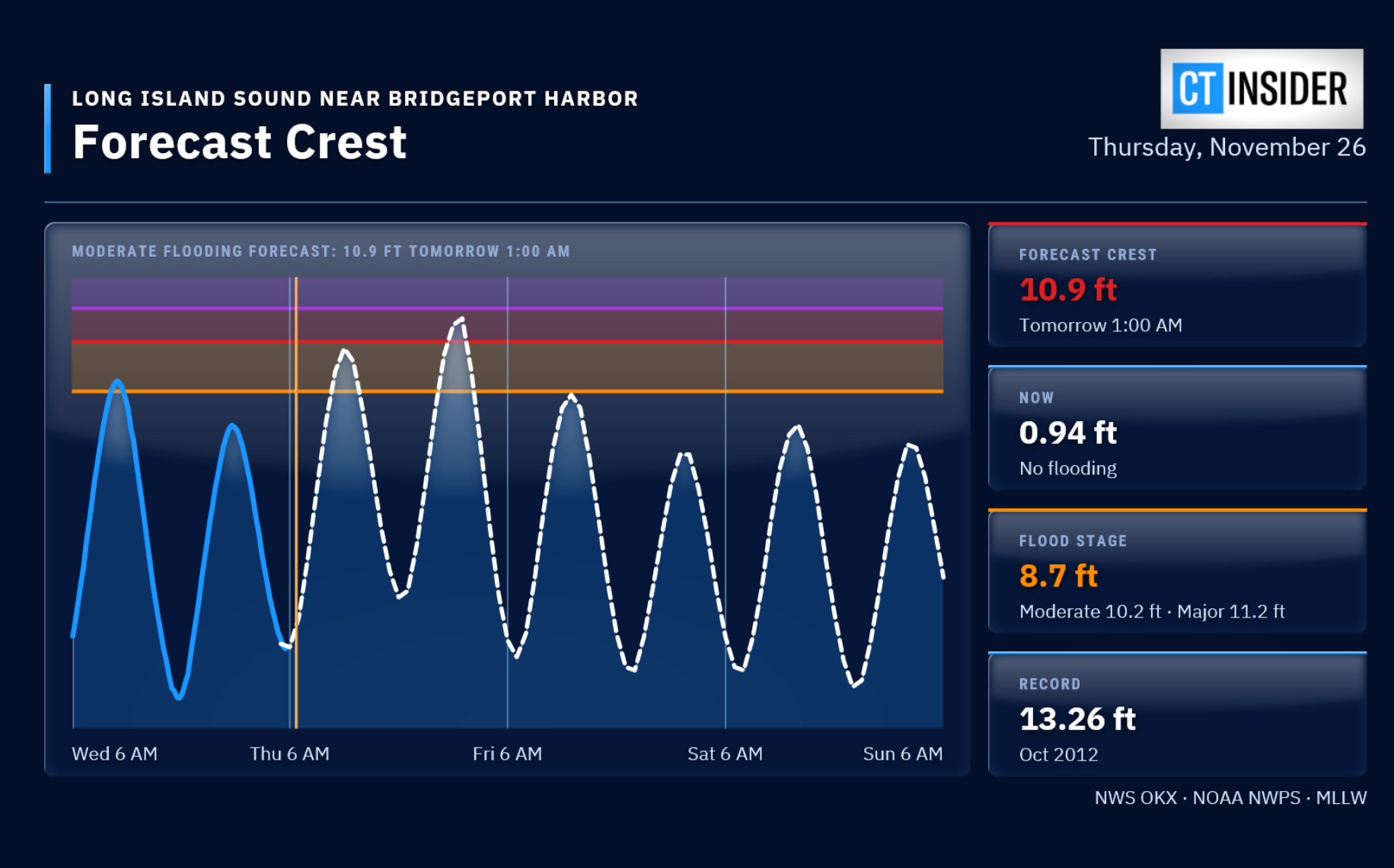
Thanksgiving Nor’easter Brings Coastal Flooding Warnings to Connecticut Long Island and New Jersey
A Thanksgiving nor’easter could push Bridgeport Harbor to its 11.2-foot major flood threshold around 1 a.m. Friday, the...
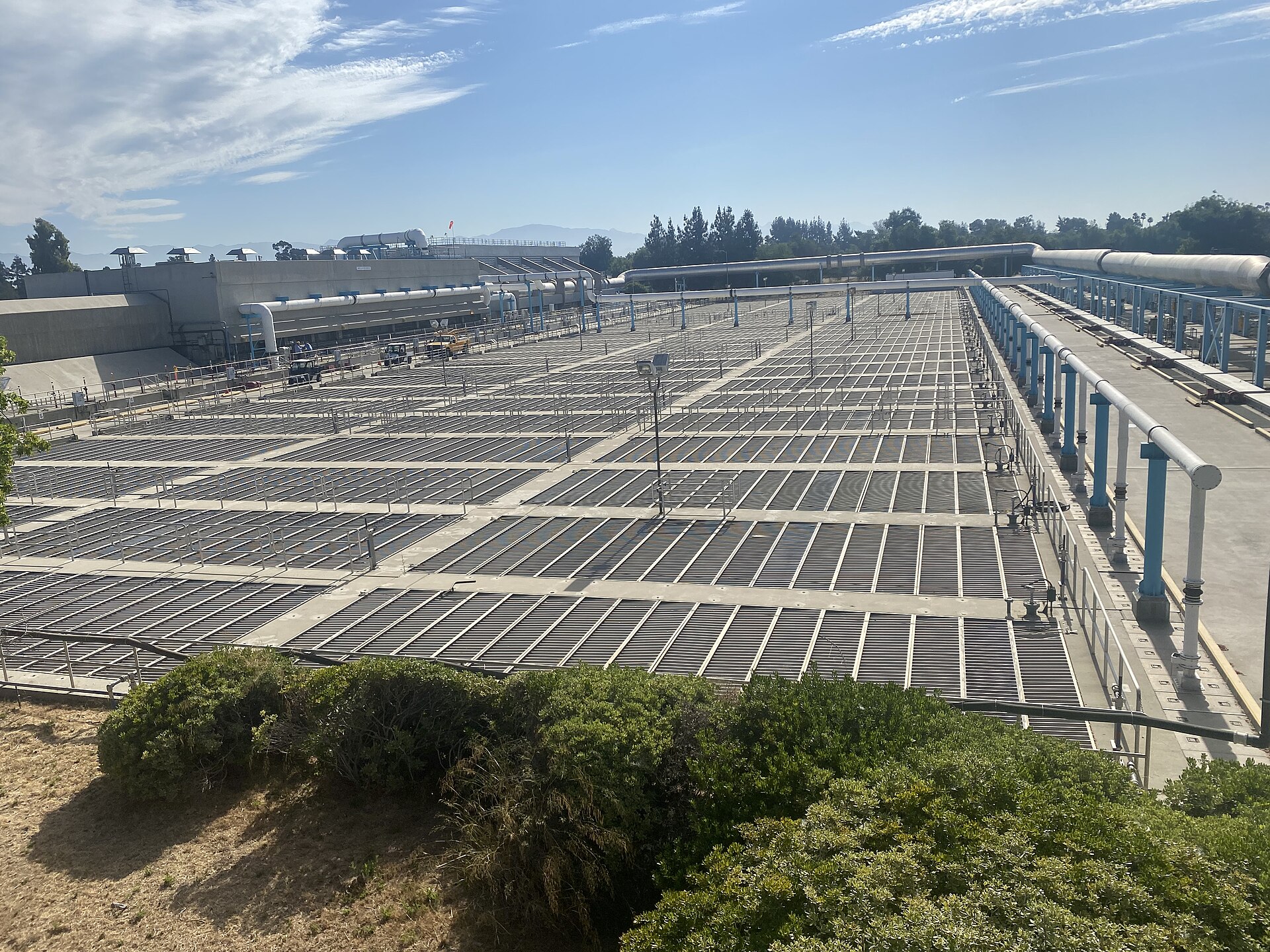
LADWP Secured $28 Million Federal Grant for Los Angeles Groundwater Project
The Los Angeles Department of Water and Power secured an additional $28 million federal grant for the Los...