
The European Commission on Monday proposed its 22nd sanctions package against Russia, targeting 60 banks, cryptocurrency platforms, a shadow fleet of oil tankers, and the participation of Russian athletes under the national flag at sports events inside the EU.
The package, unveiled by Commission President Ursula von der Leyen, must be approved by all 27 member states before it enters into force — a process that can take weeks and often reshapes the initial proposals.
- 60 Russian banks slated for removal from the SWIFT messaging system.
- Ban proposed on Russian teams and athletes competing under the national flag at EU events.
- Entry ban for anyone who has fought in Russia’s armed forces since February 24, 2022.
Financial Pressure: Banks, Crypto and the Shadow Fleet
The Commission wants to cut 60 more Russian banks off from SWIFT, the backbone of international payments, and launch a dedicated crypto sanctions task force to chase platforms that help Moscow evade restrictions.
Russia is further escalating attacks on Ukraine. Diplomacy to end Russia’s war needs to be backed up by pressure on the aggressor. Today, we’re proposing a 22nd sanctions package against Russia, including activating the visa ban on Russian combatants; The package will also…
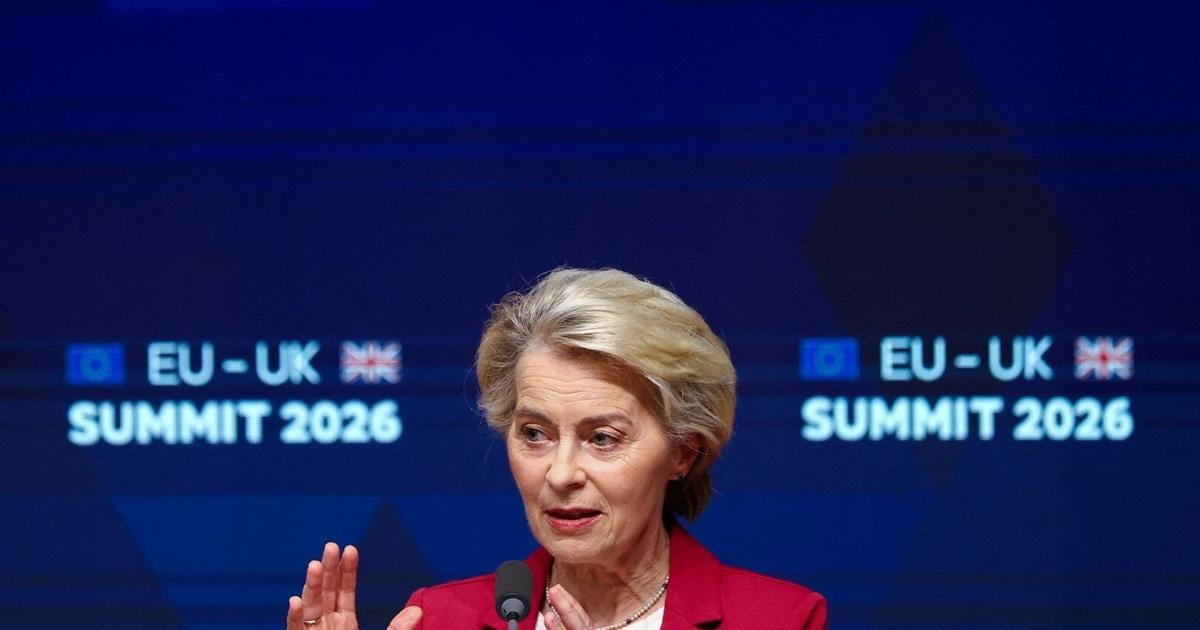
Von der Leyen said the aim is “striking harder at Russia’s ways to finance its war”. The proposals also name 70 more tankers from the shadow fleet that Moscow uses to bypass the $44-per-barrel oil price cap, and would bar all such vessels from European ports.
Monday’s move follows a November 16 decision that added 12 individuals and 101 entities to the sanctions list, including Dubai-based ship managers Lidoil DMCC and Spikoil DMCC, Moscow-based Balance Insurance, and JSC Petersburg Oil Terminal. Nearly 50 Russian banks and financial institutions were hit in that same round, widening the crackdown to tanker owners, managers, insurers and oil buyers across the UAE, China, Seychelles and Oman.
Sports Ban and the IOC Standoff
Von der Leyen argued that “sports events cannot be a forum for propaganda activities”, proposing a ban on Russian flags, symbols, and athletes competing under the national banner at events inside the bloc. Russian nationals would also be barred from leadership posts in European-based sports federations, and financial flows from Russian sponsors to EU sports and cultural bodies would be restricted.
The move clashes with the International Olympic Committee, which lifted its suspension of the Russian Olympic Committee in July and left participation decisions to individual federations. A Court of Arbitration for Sport ruling recently cleared Russia to compete in next year’s ice hockey world championship in Germany, prompting Finland and other nations to say they would refuse to play against a Russian team.
Russia's war is no longer confined to Ukraine's borders. Across Europe, Russian sabotage, arson, disinformation and other hostile activities are becoming increasingly brazen. The Kremlin is bringing its aggression onto European soil, deliberately undermining the security of the… pic.twitter.com/fveWF19thx
Entry Ban for Russian Combatants Revived
The package resurrects a visa ban for anyone who has fought in the Russian armed forces since the February 24, 2022 invasion, regardless of nationality.
“Russian ex-combatants pose a security risk to Europe. They cannot be allowed to wander freely across our countries,” von der Leyen said, adding that “entry into the European Union will be off limits.” Home Affairs Commissioner Magnus Brunner echoed the line: “Anyone fighting for Russia against Ukraine is not welcome in Europe.”
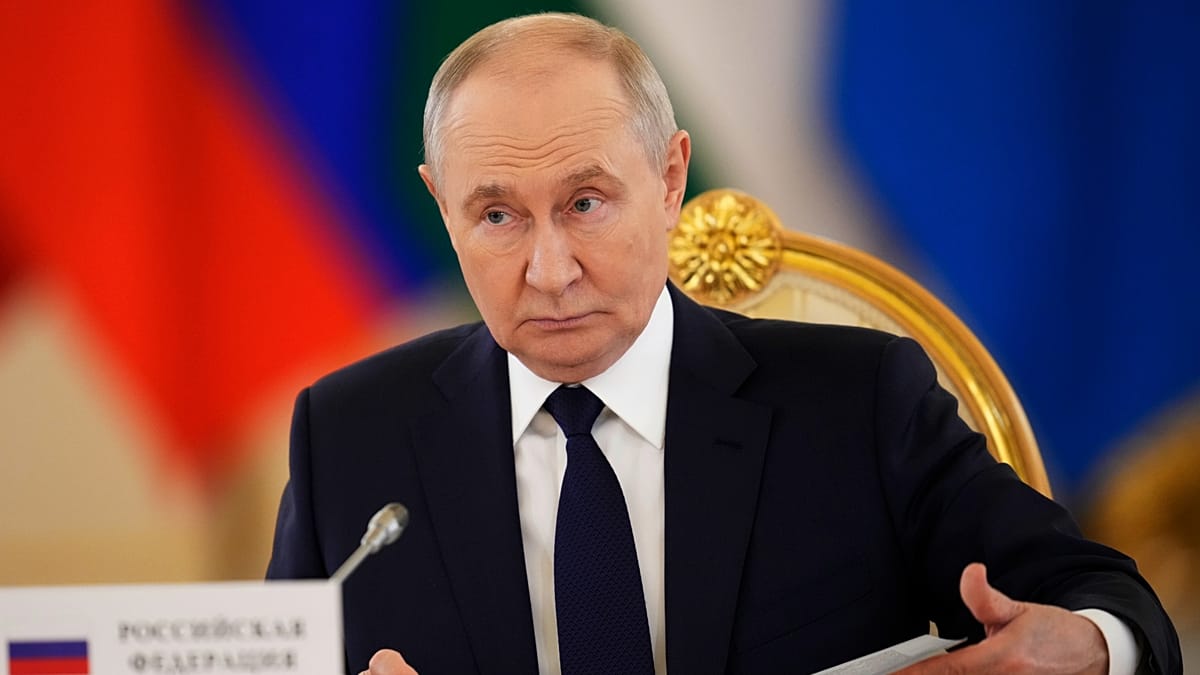
A previous attempt in July stalled after France and Italy raised concerns about administrative burden and consular responsibility.
Disinformation and Cyber Designations
In a parallel decision on November 16, the EU sanctioned 31 individuals and entities linked to the Social Design Agency, the contractor behind the Doppelgänger disinformation campaign. The listings name Andrey Perla as the agency’s “chief ideologue” and include caricaturists, monitors, a system administrator, and the editor of the internal “Pulse” Telegram monitoring network.
Key things in the 🇪🇺’s new 22nd 🇷🇺 sanctions package are the visa ban on 🇷🇺 ex-soldiers + updated text that increase possibility of 🇪🇺 member states to deny 🇷🇺 athletes and artists entry. 🇪🇺 member states to have first discussion on package later this week. 🇺🇦
Six other pro-Kremlin commentators were also designated, among them RT correspondent Chay Bowes, Sputnik journalist Aleksey Stefanov, TV hosts Vitaliy Eliseev and Petr Marchenko, and military bloggers Yurii Podoliaka and Daniil Bezsonov. The EU says Podoliaka “raised over 1 billion rubles ($12 million) for Russian forces”.
The pro-Russian hacktivist group NoName057(16) was added to the cyber sanctions list over denial-of-service attacks on critical infrastructure and election candidates. U.S. prosecutors charged an alleged member in September, and researchers have tied the group to a campaign publishing personal data of senior European officials on the dark web.
E-Commerce Oligarchs and the China Problem
The November 16 listings also reached into Russia’s consumer-tech elite. Tatyana Kim, the “sole shareholder” of Wildberries — Russia’s answer to Amazon — was hit with an asset freeze and visa ban. So was “an individual controlling the majority stake in another major Russian e-commerce company, Ozon”, identified as Alexander Chachava. An investigation by the Anti-Corruption Foundation said Chachava’s stake was bought with funds linked to oligarch Gennady Timchenko.
Brussels continues to press Beijing over sanctions evasion. “Every time we have a summit with China, we raise this issue,” a senior EU official said, describing China as the central passage for circumventing restrictions and a lifeline for Moscow’s war economy.
EU Sanctions Russian Elites and E-Commerce Leaders
The November 16 listings added 137 individuals and entities to an EU blacklist that already exceeds 4,600 names, according to a leaked proposal seen by EUobserver. Among those designated are Russian gold-mining baron Ruslan Baysarov, venture capitalist Alexander Chachava, and real-estate mogul Sergey Matvienko. The Kyiv Independent reported the listings had been seen in October, weeks before formal adoption.
The EU said it is increasingly applying sanctions in third countries as Russia expands its geographical reach to circumvent restrictions, with the latest designations including oil buyers in China, the United Arab Emirates, the Seychelles and Oman.
Disinformation Agency and Hacktivist Group Hit in Parallel Decision
On November 16 the EU sanctioned the Social Design Agency and 24 of its staff under a regime targeting operations against the EU itself, adding to earlier war-related designations from 2023. The European Council formally alleged the agency’s major foreign interference operations require sign-off from Sergey Kiriyenko, first deputy chief of staff in Russia’s presidential administration, while officials including Sofia Zakharova oversee daily work.
⚡️️ EU proposes package of Russian sports sanctions, visa bans, and a Krygyzstan crypto blockade. The 22nd package is being proposed both to follow up on open questions and decisions made around the bloc's 21st sanctions package, adopted in July, and to counter the re-emergence…
The EU said Podoliaka raised over 1 billion rubles for Russian forces.
Shadow Fleet Crackdown Widens to Insurers and Port Infrastructure
Dubai-based Lidoil DMCC, Spikoil DMCC, Lynx Ship Management, Stalwart Shipmanagement, Grace Shipmanagement and Greenlight Shipmanagement were among those targeted, according to Splash247. Russian nationals Igor Konfino and Daniil Mosin were designated as managers of White Agate Marine, Citrine Marine and Serpentine Marine, firms that own vessels already under European sanctions and previously associated with Sovcomflot.
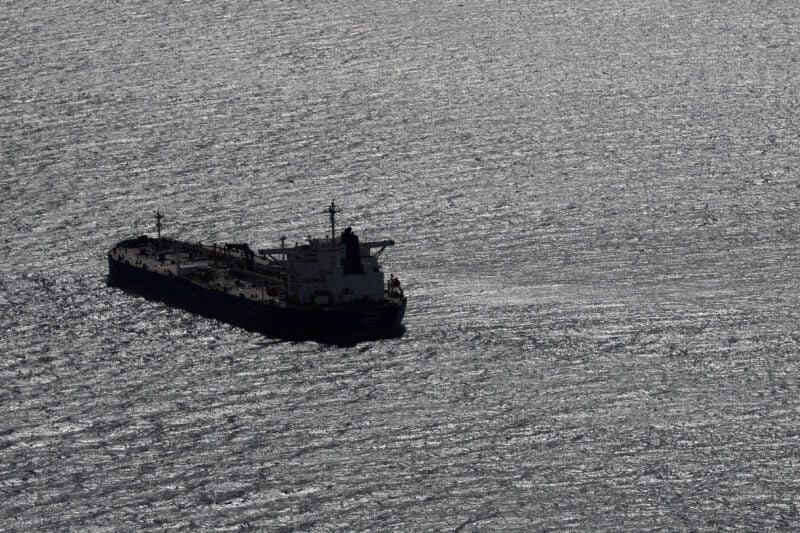
Moscow-based Balance Insurance was sanctioned for providing coverage to the tanker Garuda, previously blacklisted over high-risk shipping practices while transporting Russian crude. JSC Petersburg Oil Terminal, which operates export infrastructure in the St Petersburg region, was also listed, extending measures to energy-export infrastructure. Nearly 50 Russian banks and financial institutions were added in the same round as the EU seeks to limit Moscow’s access to financing.
As Commission President since 2019, Ursula von der Leyen holds the exclusive right of legislative initiative, allowing her college to draft and table sanctions packages such as the 22nd round targeting 60 Russian banks, cryptocurrency platforms, and a shadow fleet of tankers.
The proposals must then be adopted by the Council of the 27 member states acting unanimously, a negotiation that can take weeks and often reshapes the initial text before it enters into force.
What Happens Next
The 22nd package now goes to the Council for negotiation. Brussels aims for agreement before the December holiday break. France and Britain will host an international conference in Paris on December 4 to coordinate further action against the shadow fleet.
Meanwhile, U.S. negotiators Jared Kushner and Steve Witkoff continue talks with both sides, though EU officials say Russia is using demands for a new European security framework to weaken NATO — a demand Kaja Kallas called “really absurd”.
Worth a look
- PLA Navy to Display Type 055 Destroyer, Three Warships at Zhuhai Airshow
- Zelenskyy Confirms Ukraine Sank Russian Corvette, Damaged Cargo Ship in Libya
- Ukraine claims responsibility for sinking Russian warship off Benghazi (newsarchyuk.com)
- Iran-based AI Operation Used Fake Journalist to Target Australian Politics, ABC Reveals (world-today-news.com)

PLA Navy to Display Type 055 Destroyer, Three Warships at Zhuhai Airshow
China will put its newest warships on public display at the Zhuhai Airshow for the first time next...
Zelenskyy Confirms Ukraine Sank Russian Corvette, Damaged Cargo Ship in Libya
Ukrainian sea drones sank a Russian corvette and damaged a cargo ship at the Libyan port of Benghazi...

Oxfam and CEOBS Find Contamination Indicators Across 99% of Gaza, 78% Directly Affected by Assault
A new Oxfam and CEOBS report finds indicators of potential environmental contamination across more than 99 percent of...

NATO Ambassadors Convene Emergency Session After Russian Weapons Crash in Poland
Three Russian weapons — two Kh-101 cruise missiles and a jet-powered drone — crashed inside Poland on November...