
U.S. President Donald Trump criticized Italian Prime Minister Giorgia Meloni for refusing to support Washington during the Iran conflict, calling her a nice person but claiming she made a mistake in their relationship.
Trump’s Personal Attacks on Meloni Escalate Tensions
At the NATO summit in Ankara, Trump accused Meloni of refusing to get involved in U.S. efforts during the Iran crisis, a stance he said soured their relationship. She refused to help us, he told reporters, though he softened his remarks by calling her a nice person. The Italian leader, however, denied the allegations, stating Trump invented the story and dismissing his personal attacks as senseless. This exchange marks a sharp deterioration in their once-closer ties, which had been strained by policy disagreements and social media clashes.
Meloni’s rejection of Trump’s claims came after he posted a doctored image of Meloni on Truth Social over the weekend with the caption RESTRAINING ORDER NEEDED. The Italian prime minister responded by calling the post unprovoked and asserting, Italy and I never beg. This came days after Trump alleged that Meloni begged him for a photo during the June G7 summit in Evian, France—a claim she firmly denied. I want to see a single market on everything, Belgian Defense Minister Francken said in a separate statement, highlighting broader European concerns about U.S. military support.
European Defense Concerns and Transatlantic Strains
Francken, the Belgian defense minister, emphasized that Europe remains reliant on U.S. military support, noting it would take five to 10 years to build up independent capabilities. His remarks underscored growing fears among NATO allies about U.S. troop withdrawals and shifting defense priorities. The EU is not close to being ready to defend itself without continued U.S. help, he said. This sentiment aligns with recent European Commission proposals to streamline cross-border defense procurement, aiming to reduce national protectionism and create a more unified market.
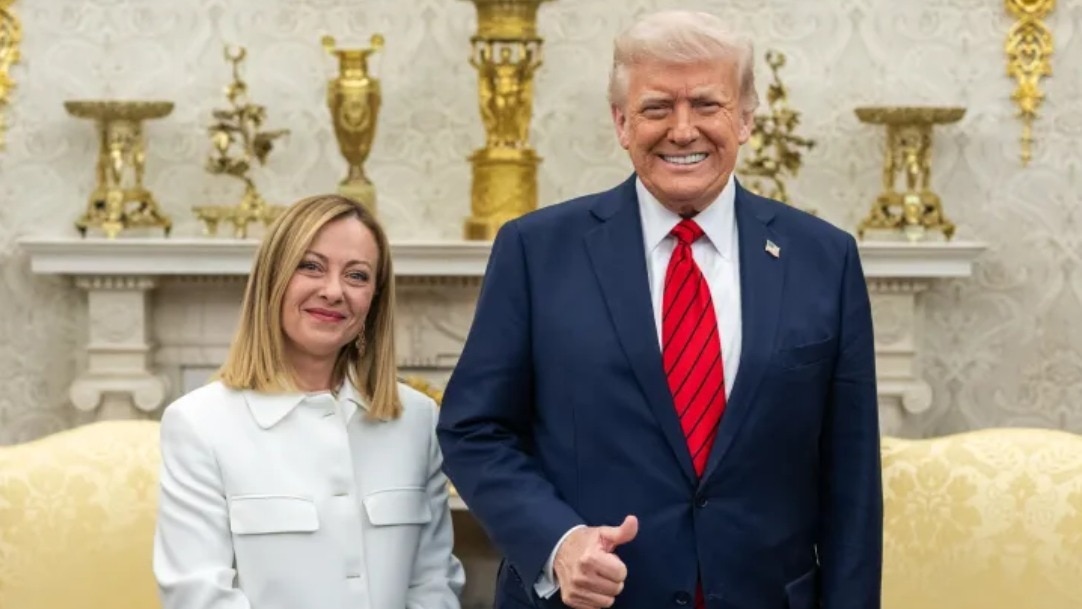
Trump’s criticism of European allies has intensified amid his broader push to pressure NATO members to increase defense spending. U.S. Defense Secretary Pete Hegseth last month announced a six-month review of America’s military footprint in Europe. Meanwhile, Meloni’s government has sought to downplay the dispute, with officials stating that Rome would not respond to every provocative comment made by Trump. However, the personal nature of the rhetoric—exacerbated by Trump’s social media posts—has raised questions about the future of U.S.-Italy relations.
Historical Context and Policy Divergences
Meloni and Trump were once seen as political allies, sharing conservative stances on immigration, national sovereignty, and security. Meloni’s attendance at Trump’s 2025 inauguration reinforced perceptions of a strong partnership. However, their relationship has frayed this year over several issues, including Trump’s criticism of Pope Leo for condemning the Iran war, which Meloni defended. The dispute escalated after Trump accused Italy of refusing to help reopen the Strait of Hormuz, and Italy’s refusal to allow U.S. military aircraft to use Sicily’s Sigonella Air Base. These disagreements, coupled with Trump’s public jabs, have transformed what was once a policy alignment into a more personal rivalry.
The Iranian crisis has been a focal point of their discord. Italy’s decision to deny U.S. aircraft access to its territory before a mission to the Middle East was cited by Trump as evidence of Meloni’s lack of support. She refused to get involved, so it soured my relationship with her a little bit, he said. Meloni, however, framed the issue as a matter of sovereignty, stating that the U.S. had failed to secure the necessary authorizations. Being your friend certainly has not helped, she reportedly told Trump.
Implications for Transatlantic Relations
The escalating tension between Trump and Meloni reflects broader challenges in U.S.-European relations. As Trump continues to challenge NATO’s collective defense commitments, European leaders are increasingly focused on strengthening their own defense industries and reducing reliance on American military power. The Belgian defense minister’s comments highlight the urgency of this shift, while the European Commission’s push for a unified defense market signals a strategic realignment.

For Italy, the dispute underscores the complexities of balancing domestic priorities with transatlantic alliances. Meloni’s government has sought to maintain a delicate equilibrium, avoiding overt confrontation while asserting national sovereignty. However, Trump’s personal attacks and public accusations risk undermining diplomatic efforts. As the European Union moves to consolidate its defense capabilities, the U.S. faces a critical test in maintaining its influence over a bloc that is increasingly determined to act independently.
Find more reporting in our World section.
Related reading
IEA Board to Meet Wednesday on Oil Stock Release, say EU Diplomats
European Union diplomats confirmed that the governing board of the International Energy Agency will hold an informal meeting...
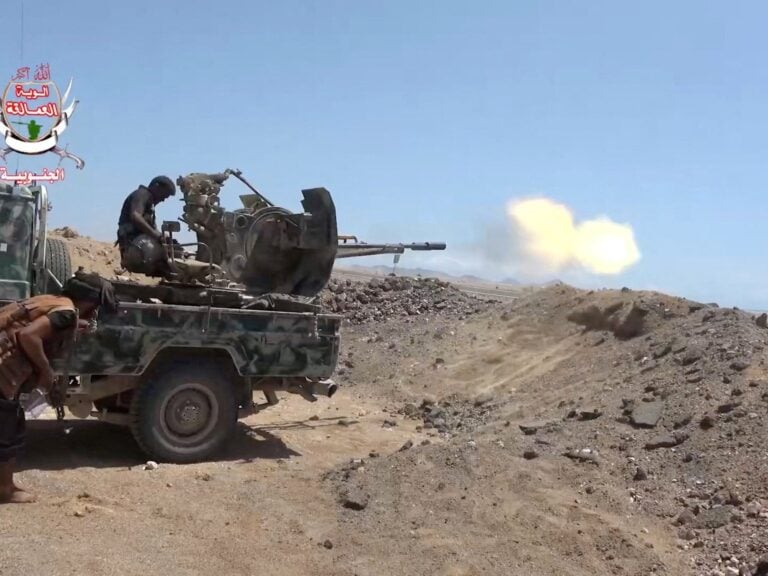
Yemeni Government Forces Launch Offensive Against Houthis Near Bab el-Mandeb
Yemeni government forces and a Saudi-led coalition launched Operation Dawn of Yemen, advancing on the strategic Bab el-Mandeb...

Oil Prices Rise as Houthi Attacks and Gulf Storm Threaten Supply
Global crude oil prices rose on Tuesday as the market weighed supply constraints from a forming Atlantic hurricane...

Arab Media Focuses on Gaza Destruction for October 7 Anniversary
Three years after Hamas launched its October 7 invasion of Israel, Arab media coverage has focused heavily on...