From Industrial Steam to Artist Lofts: The Brewery Artwalk Returns
This weekend, the 17-acre campus in Lincoln Heights that once powered Los Angeles’ thirst for beer opens its doors to the public for the semiannual Brewery Artwalk. The event, which runs Saturday, Nov. 7, and Sunday, Nov. 8, from 11 a.m. to 6 p.m., transforms a landscape of historic brick and steel into a sprawling gallery. With more than 100 artists participating, the gathering serves as both a celebration of contemporary creativity and a living archive of the city’s industrial evolution.
🎨 100+ artists are opening their studios at Lincoln Heights’ Brewery Artwalk Nov. 7–8, 11 a.m.–6 p.m. New this fall: $5 gets adults in both days. Free for kids 17 and under and residents of 90031, 90033 and 90023 with ID. https://t.co/ATAYIych78
The Brewery has functioned as an artist colony since 1982, a shift made possible by the city’s passage of a landmark Artist-in-Residence ordinance. That legislation allowed developers to repurpose dormant industrial buildings into live-work spaces, breathing new life into structures that had long since outlived their original manufacturing utility. As reported by LAist, the concept took hold almost immediately after the family of Kristen Carlson—the current president and CEO of Carlson Industries—placed a single advertisement in the Los Angeles Times. The response was immediate, with a line of prospective tenants stretching down the street.
A Brewing Legacy Along the L.a. River
Before the lofts and the galleries, the site was the engine room of the Los Angeles Brewing Company. Established in 1897, the plant drew its water from the nearby Los Angeles River, a geography that eventually inspired the name of its signature product, Eastside beer. George Zobelein, a Bavarian immigrant, acquired the complex in 1907 and turned it into a cornerstone of the city’s brewing industry.

The site’s transition away from suds began in 1948 when Pabst took over the facility, converting it into a distribution hub for the western United States. By 1979, the plant had shuttered, leaving a collection of massive industrial shells behind. It was then that New York transplants Arnold “Whitey” Carlson and his sons, Steven and Richard, purchased the property. Their arrival marked the beginning of a slow, methodical conversion of the site’s raw materials—bricks, tanks, and iron—into the foundations of a new creative ecosystem.
The Evolution of a Campus
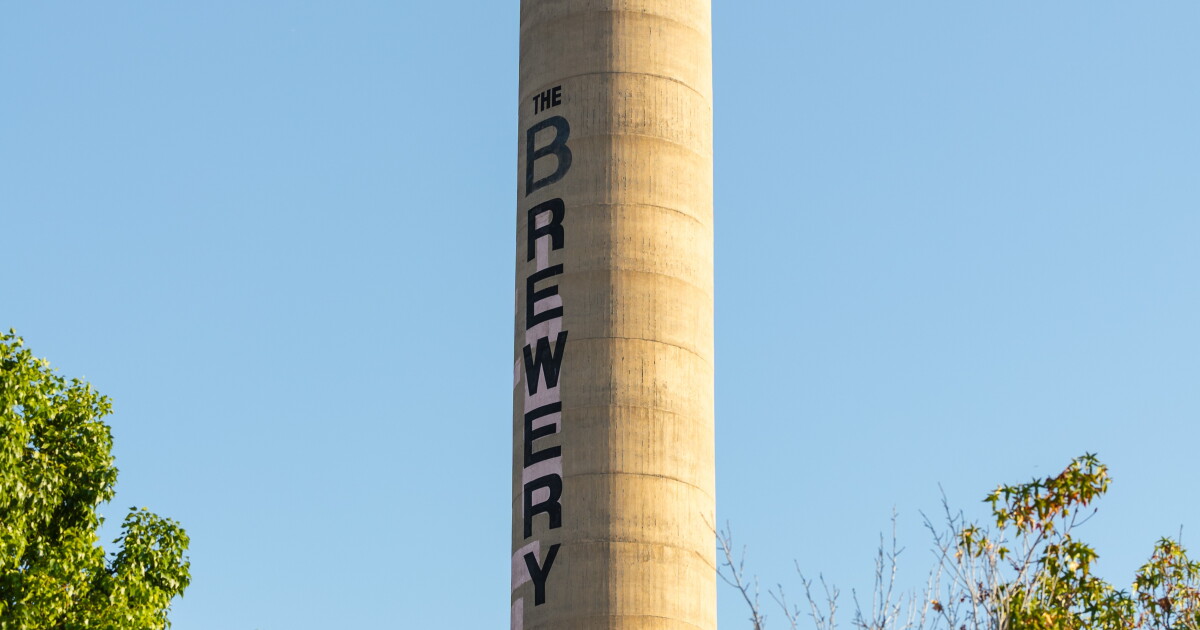
Today, the Brewery is a dense, 23-building complex housing hundreds of live-work lofts, galleries, and even a restaurant. Among the most striking features is the original steam power plant, a structure designed by architect John Parkinson in the early 1900s. Its iconic smokestack remains a recognizable silhouette in the Lincoln Heights skyline, though its interior has been repurposed for modern utility as a state-of-the-art climbing gym.
The transformation of these spaces reflects a broader shift in how American cities manage their aging industrial stock. While the Brewery has found success in the live-work model, the economic stakes for such projects remain complex. Converting heavy industrial buildings to residential or studio use requires significant capital, often forcing a delicate balance between preserving historical character and meeting modern safety and accessibility codes. For the residents, the Artwalk provides a vital platform to showcase their work, but it also highlights the ongoing challenge of maintaining affordable, functional studio space in a city where property values continue to climb.
Logistics for the Weekend
Organizers are charging a $5 entry fee for adults to help offset the costs incurred by the artists. Admission remains free for children 17 and under, as well as for residents living in the 90023, 90031, and 90033 ZIP codes who provide identification. While parking is available on-site, the lots are expected to reach capacity quickly. For those relying on public transit, the A Line’s Lincoln/Cypress station is located roughly 10 to 15 minutes away by foot.
Whether this model of adaptive reuse can continue to scale in other parts of the city remains an open question. As developers and city planners look toward the next generation of urban development, the Brewery stands as a tangible example of what happens when a city decides to rewrite its zoning laws to favor the preservation of space over the total erasure of its past. For now, the focus remains on the studios, the artists, and the history stored within those thick, century-old walls.

Wyoming Valley West Defeats Hazleton Area 35-7 for District 2 Title
Wyoming Valley West Secures District 2-6A Title in Dominant Performance The atmosphere at Spartan Stadium on Friday night...

WV Dept of Commerce Certifies Boone County data center project
“If the public wants to appeal, there's no way for them to appeal something that they don't know...
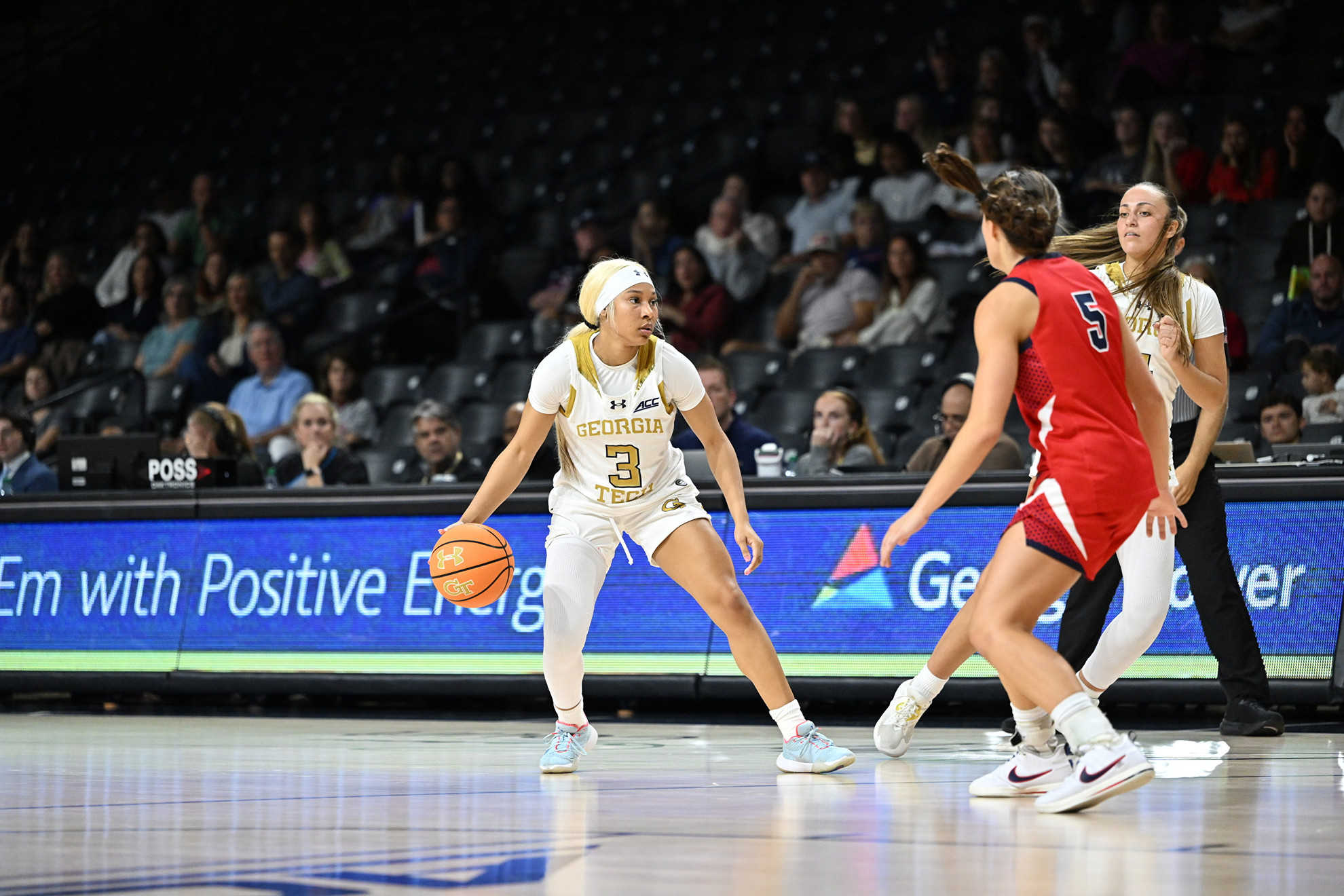
Georgia Tech Women’s Basketball Faces No. 24 West Virginia at McCamish Pavilion
Georgia Tech women’s basketball hosts No. 24 West Virginia at McCamish Pavilion this Sunday at 2 p.m. The...

Nathanial Young performs at Salt Lake City library and Asher Adams hotel
A Saxophone Echoes Through Salt Lake City For one hour on a Friday night, the lobby of a...