The Enduring Geography of New England’s Historic Towns
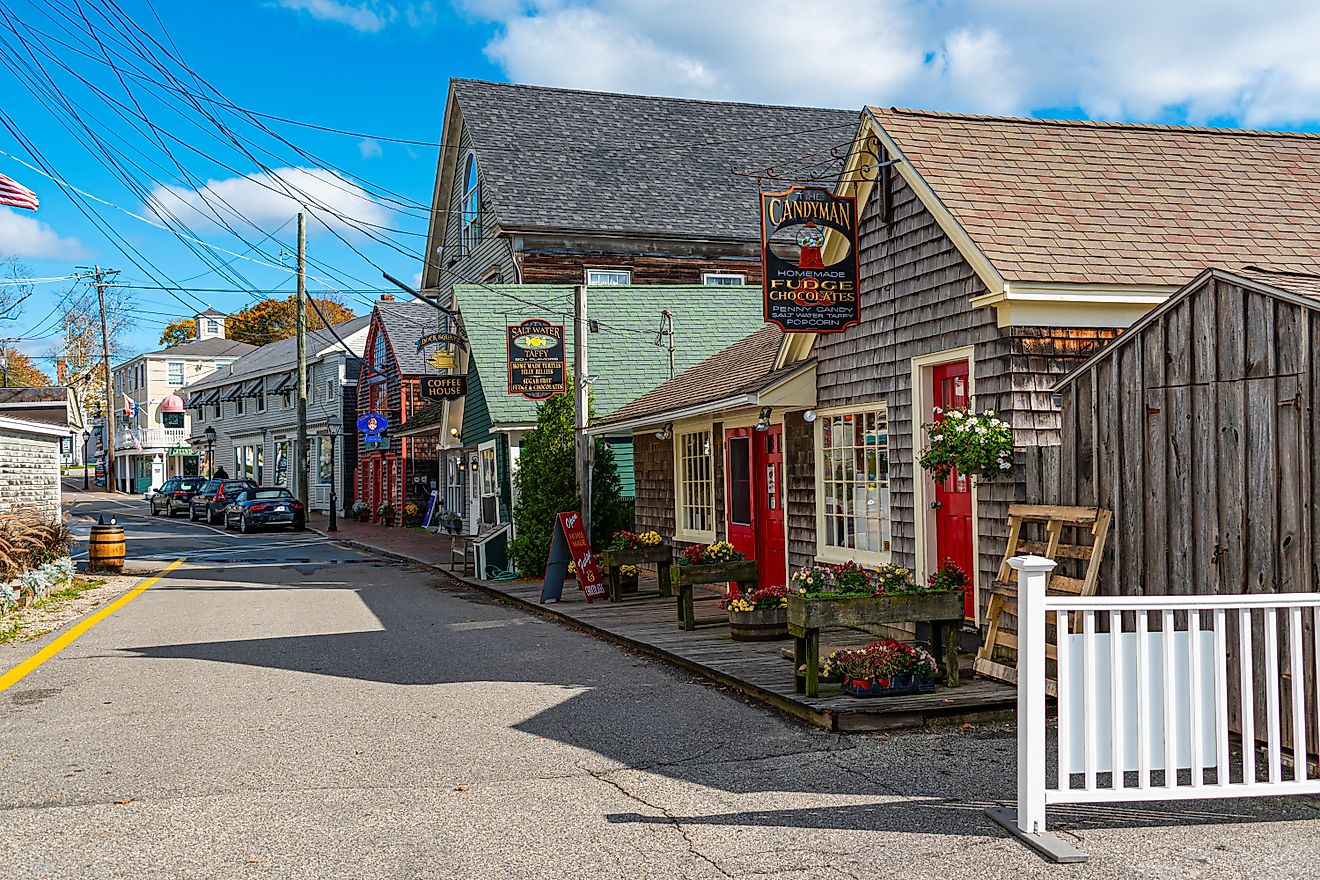
New England’s identity is often measured not by its metropolitan hubs, but by the small towns that anchor its history and topography. According to recent reporting from World Atlas, nine specific towns serve as essential touchstones for the region, each balancing colonial preservation with the shifting economic and social demands of the 21st century. These municipalities—ranging from the maritime ports of Maine to the mountain gateways of Vermont—highlight a trend where historical preservation acts as a primary economic driver for local tourism and community identity.
The stakes for these towns are substantial. As larger urban centers face increasing density and housing pressures, these smaller locales have become focal points for both seasonal migration and cultural heritage tourism. For the residents and local business owners, the challenge lies in maintaining the architectural integrity that draws visitors while ensuring the infrastructure remains functional for year-round life.
Maritime Heritage and Economic Sustainability
In towns like Mystic, Connecticut, and Boothbay Harbor, Maine, the economy is inextricably linked to the preservation of maritime history. Mystic serves as a prime example of this synthesis, where the Mystic Seaport Museum maintains the Charles W. Morgan, the last wooden whaleship in the world. This is not merely a museum piece; it is a centerpiece for an economy that relies on the consistent maintenance of the Mystic River Bascule Bridge and the surrounding harbor infrastructure.
The economic reality of these towns is often dictated by seasonal cycles. In Kennebunkport, Maine, the town’s annual Christmas Prelude is a strategic effort to extend the tourism window into the winter months, mitigating the “off-season” lull that historically crippled coastal economies. These efforts are supported by state-level initiatives aimed at protecting coastal assets; for example, the Maine Department of Marine Resources manages the coastal environment that supports the lobster and tourism industries upon which towns like Kennebunkport depend.

The Intersection of History and Modern Land Use
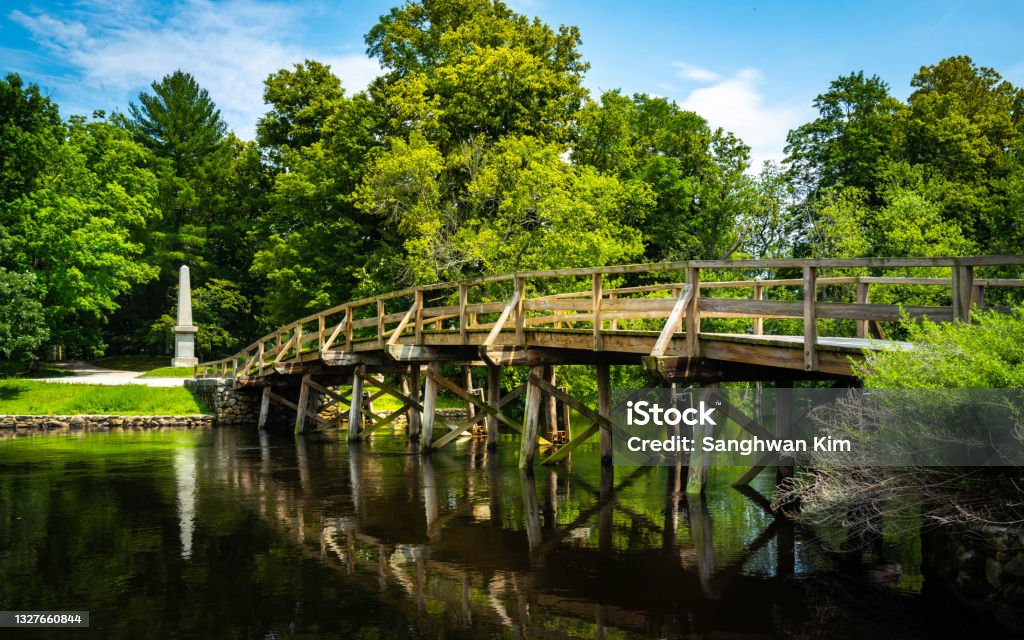
Concord, Massachusetts, and Portsmouth, New Hampshire, demonstrate the complexities of integrating American history into modern civic life. In Concord, the Old North Bridge—where the “shot heard round the world” was fired in 1775—is now part of the Minute Man National Historical Park. The town must manage the heavy foot traffic of visitors while preserving the literary legacy of residents like Louisa May Alcott and Henry David Thoreau.
Portsmouth takes a different approach, utilizing the Strawbery Banke Museum to preserve an entire neighborhood of restored homes spanning three centuries. This model of “living history” allows the town to maintain a high-density, walkable downtown area that appeals to both tourists and modern professionals, contrasting sharply with the more suburban sprawl seen in other parts of the Northeast.
Mountain Economies and the Gilded Age Legacy
In Vermont, the economic model shifts toward outdoor recreation and the legacy of the Gilded Age. Stowe, sitting at the foot of Mount Mansfield, leverages its topography to capture the ski and hiking markets, while Manchester utilizes the historical significance of Hildene, the Lincoln family home, to attract a different demographic of cultural tourists.
However, this reliance on tourism creates a persistent tension. Critics of this growth model often point to the “museumification” of these towns, where the focus on preserving a historical aesthetic can inadvertently inflate property values, making it increasingly difficult for local service-sector workers to afford housing. While the Gilded Age estates in Newport, Rhode Island, provide significant tax and tourism revenue, the maintenance of these mansions requires a massive, ongoing capital investment that is largely inaccessible to the average resident.
A Regional Comparison of Historic Assets
The following table summarizes the primary historical or geographic anchors identified in the World Atlas report for these nine towns:
| Town | Primary Historical/Geographic Anchor |
|---|---|
| Concord, MA | Old North Bridge (Revolutionary War site) |
| Kennebunkport, ME | Ocean Avenue and Walker’s Point |
| Boothbay Harbor, ME | Coastal Maine Botanical Gardens |
| Portsmouth, NH | Strawbery Banke Museum |
| Stowe, VT | Mount Mansfield / Stowe Mountain Resort |
| Manchester, VT | Hildene (Lincoln family home) |
| Newport, RI | Gilded Age Mansions (The Breakers) |
| Mystic, CT | Mystic Seaport Museum (Charles W. Morgan) |
| Litchfield, CT | Tapping Reeve House and Law School |
The reality for these communities is that they are not static displays. Whether it is the expansion of the Coastal Maine Botanical Gardens or the ongoing operation of the Orvis outdoor outfitter in Manchester, these towns are actively adapting to modern consumer expectations. The survival of these locales depends on their ability to remain relevant to a contemporary audience without eroding the very history that established their reputation. As the regional demographics of New England continue to shift, the towns that succeed will likely be those that treat their history as a foundation for innovation rather than a barrier to it.


Wyoming Valley West Defeats Hazleton Area 35-7 for District 2 Title
Wyoming Valley West Secures District 2-6A Title in Dominant Performance The atmosphere at Spartan Stadium on Friday night...

WV Dept of Commerce Certifies Boone County data center project
“If the public wants to appeal, there's no way for them to appeal something that they don't know...

Georgia Tech Women’s Basketball Faces No. 24 West Virginia at McCamish Pavilion
Georgia Tech women’s basketball hosts No. 24 West Virginia at McCamish Pavilion this Sunday at 2 p.m. The...

Nathanial Young performs at Salt Lake City library and Asher Adams hotel
A Saxophone Echoes Through Salt Lake City For one hour on a Friday night, the lobby of a...