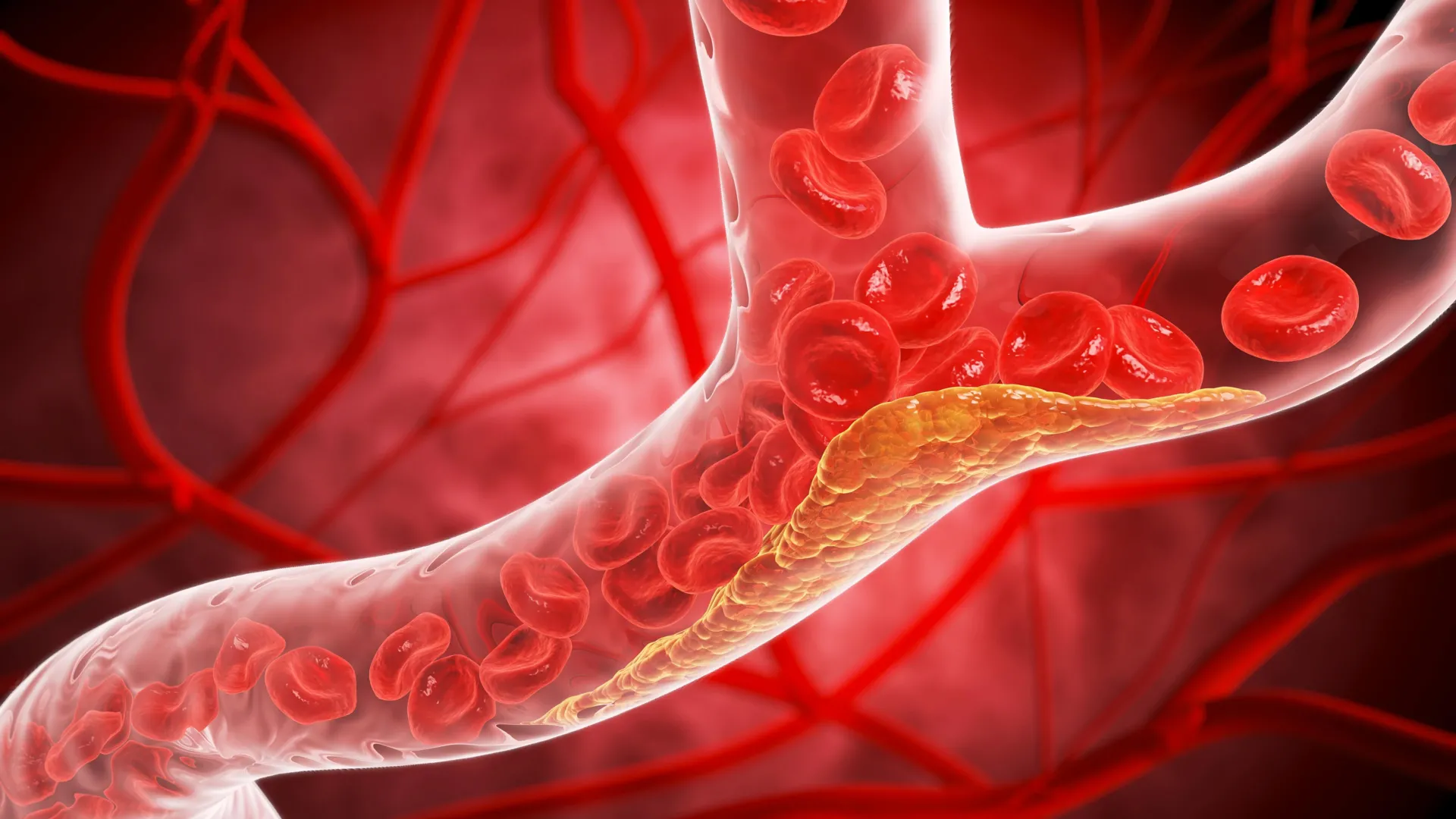
The first oral PCSK9 inhibitor won U.S. approval in July, offering a pill that cuts LDL cholesterol nearly as much as injectable rivals without the needle.
The FDA cleared Lipfendra (enlicitide) on July 16, 2026, making it the first medication in the powerful PCSK9-inhibitor class available in tablet form. The drug blocks a protein that limits how many LDL receptors the liver keeps on its surface, letting the organ pull more “bad” cholesterol from the bloodstream.
A review published Oct. 14 in Annals of Pharmacotherapy found enlicitide lowered LDL by 57.1% to 64.6% after 24 weeks in patients already on statins, reductions the authors called comparable to injectable PCSK9 inhibitors. In head-to-head data cited by Science Daily, enlicitide cut LDL by about 65%, while ezetimibe achieved roughly 28% and bempedoic acid about 6%.
Discontinuations due to adverse events remained low at 1.6% across the extension period. The analysis covered a mean exposure of 293.9 days in the extension and 476.8 days total including the parent studies.
More than 87% of eligible participants from the three parent studies chose to continue into the extension, bringing enrollment to 2,774 patients. Secondary endpoints tracked mean percent change from the parent-study baseline in LDL-C, non-HDL-C, apolipoprotein B, and lipoprotein(a) at week 8 of the extension.
An ongoing cardiovascular outcomes trial is investigating whether enlicitide’s cholesterol-lowering effect translates into fewer serious cardiovascular events, SciTechDaily reported. Researchers have not yet determined whether the medication reduces the risk of heart attacks or strokes despite the substantial LDL reductions documented in clinical trials.
The review authors emphasized this evidence gap while noting the drug’s effectiveness for patients who prefer a pill or whose levels remain elevated on other oral therapies.
BREAKING: The FDA has approved enlicitide (Lipfendra), the first oral PCSK9 inhibitor for adults with high cholesterol. The once-daily tablet reduced LDL-C by up to 59% vs placebo in phase 3 trials. Learn more: https://t.co/tBPBEpKnbt#FDAApproval #Cardiology #Pharmacy
The review, authored by Binghamton University pharmacy faculty Taylor Clark, Rachel Lucas, Mia Lussier, and Azadeh Nasuhidehnavi, noted diarrhea and dizziness occurred slightly more often with enlicitide than placebo. Patients take the pill first thing in the morning on an empty stomach, waiting 30 minutes before food or any drink except water, black coffee, or plain tea. A 30-day supply carries a list price of $315, which the review positioned as potentially more affordable than injectable alternatives. Actual out-of-pocket costs will vary with insurance coverage.
What remains unproven is whether the steep LDL drop translates into fewer heart attacks or strokes. “While clinical trials have established that enlicitide substantially reduces LDL cholesterol, researchers have not yet determined whether it also prevents heart attacks and strokes,” SciTechDaily said.
An ongoing cardiovascular outcomes trial is testing that question. Interim data from an open-label extension presented by HCPLive showed LDL reductions sustained through 104 weeks, with discontinuations for adverse events at 1.6% across more than 2,700 participants.
The FDA approved a daily pill PCSK9i enlicitide, (Lipfendra) List price will be $315 for a 30-day supplyhttps://t.co/mR1fBo6CAB The F. D. A. Approves a New Pill to Slash Cholesterol Levels https://t.co/MSVGoDPLUd via @NYTimes@kewatson @AnnMarieNavar @rblument1
Keep reading

Bloomberg Spots Product(Red) HomePod mini 2 on Shelves Early
Apple's Product(Red) HomePod mini 2 has appeared on store shelves days before its expected launch, according to images...
White House Staffers Call DHS Chief Mullin an Idiot as Betting Pool Grows
Homeland Security Secretary Markwayne Mullin faces mounting criticism from within the Trump administration over his handling of recent...

Hawks Arrest Two for Alleged R2m Bribe Attempt to Interfere with Umngeni Water Investigations
The Hawks arrested two suspects in KwaZulu-Natal on Friday for allegedly attempting to bribe a senior officer with...
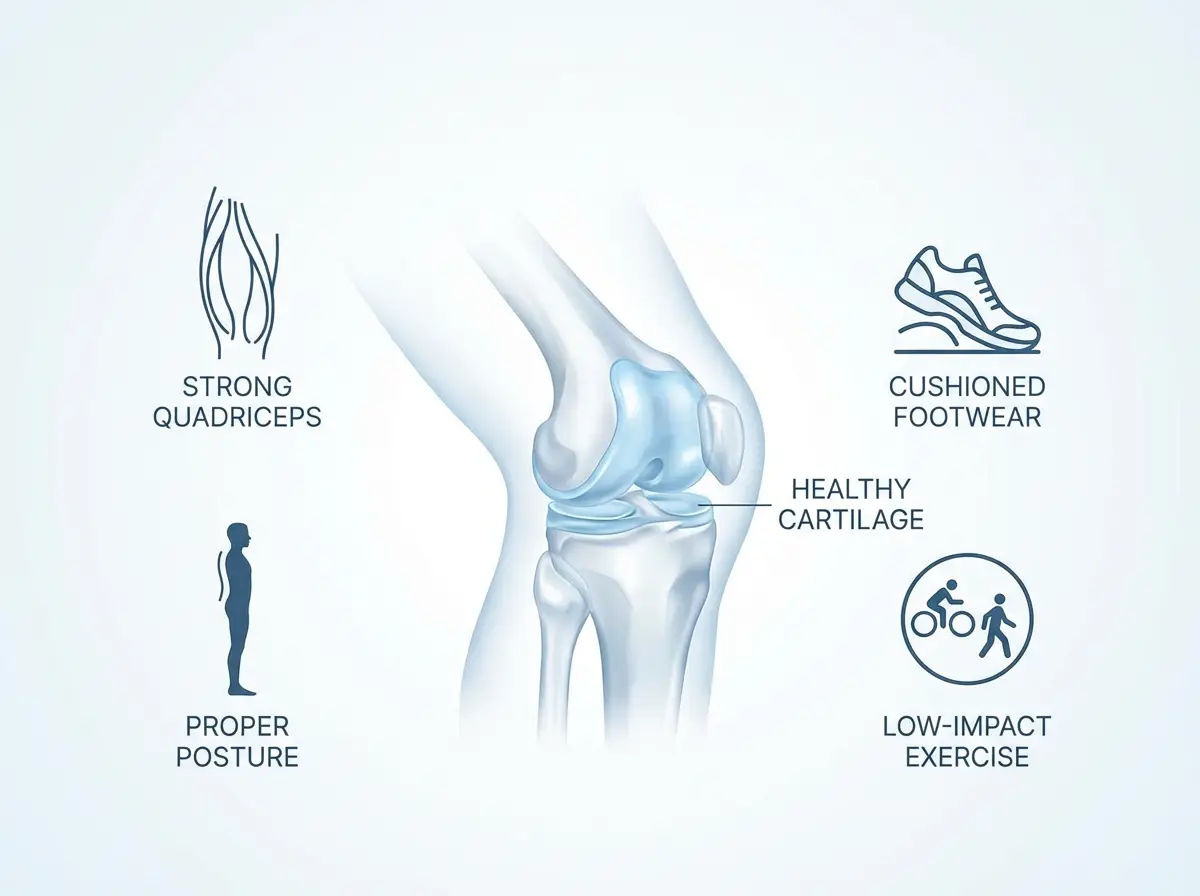
How to Protect Your Knee Health and Prevent Arthritis as You Age
In a column for Verywell Health, orthopedic surgeon Steven Svoboda argues that knee pain is not an inevitable...