
“The effects of lead on the body, on living things, can be quite detrimental over long-term periods,” said Naudia McCracken, Lead Poisoning Prevention Program supervisor at the Douglas County Health Center, hours before a federal appeals court paused the Army’s plan to detonate five tons of degraded lead azide at the Iowa Army Ammunition Plant.
The Eighth Circuit granted the stay late Thursday after environmental groups argued the permit failed to consider safer alternatives, KMTV 3 News Now Omaha reported. The operation had been scheduled for Friday, then pushed to Monday, before the court intervened.
Acting Army Secretary Adam Telle said the delay would last only “until the latest possible moment prior to a forecast temperature drop, which would risk further destabilization of the material,” according to the Associated Press.
🔴 U. S. Army to detonate 68 barrels of unstable lead azide in Iowa on Nov 20 The Army will destroy the material at its ammunition plant in Middletown, Iowa, at around 12:00 p.m. Central Time on November 20. The lead azide—a highly sensitive explosive used in detonators—has been… pic.twitter.com/zBTFxhmOzd
For residents across southeast Iowa, the stakes are measured in the same contamination that still haunts Omaha, Nebraska, just across the Missouri River. Most of Omaha sits on a sprawling lead Superfund site, the legacy of smelting and refining operations that shut down three decades ago.
“I think it does bring up good points for people to remember that this is something ongoing and we still have exposures within our community,” McCracken told KMTV.
Iowa already ranks second in the nation for cancer diagnoses, according to the Iowa Environmental Council’s 2026 report, which cites pesticides, nitrates, PFAS and radon as contributing factors. Environmental advocates say adding a lead plume to that burden is unnecessary.
“Those toxins can end up in our water. That’s a concern,” said Wally Taylor, legal chair of the Sierra Club Iowa Chapter. “To do it safely, that’s the way it should be done.”
The Army maintains the risk of an uncontrolled explosion is growing. Staff at the Middletown plant discovered several dozen barrels of crystallized lead azide in March, creating what officials describe as an unstable and dangerous situation. But the first broad public advisory came Sunday — days after a public meeting in Middletown in October — leaving communities up to 100 miles away scrambling for information.
Governor-elect Rob Sand posted on X on Nov. 19 that an unacceptable lack of communication and clarity has made Iowans understandably concerned and angry about this situation. Sand wrote that the public deserves to know, if this is the safest option, why other options were worse, and that if it isn’t as safe as possible to do this tomorrow, it shouldn’t happen tomorrow.

Gov. Kim Reynolds spoke with Telle on Thursday and activated the State Emergency Operations Center to coordinate with the EPA and Army. “I’m grateful for his decision to do so,” Reynolds said of the delay. The SEOC will monitor the situation and keep local partners informed, her office said Friday.
“Definitely take advantage of those advisories that come out, take those seriously. If they’re saying you need to evacuate or clean properly, definitely do that.”
Naudia McCracken, Douglas County Health Center
McCracken recommends pregnant women and children get tested — insurance typically covers it — and advises practical steps like leaving shoes at the door to avoid tracking contamination indoors. The stay remains in effect while the court weighs the environmental groups’ petition. The next detonation window hinges on a forecast cold snap the Army says could make the material too volatile to wait.
I have activated the State Emergency Operations Center (SEOC) to coordinate state agencies in advance of the U. S. Army’s planned detonation at the Iowa Army Ammunition Plant in Middletown, Iowa. My office and state agencies are actively coordinating with federal officials from…
More on Douglas County Health Center
The safety of Iowans now and in the future should be government’s top concern. An unacceptable lack of communication and clarity has made Iowans understandably concerned and angry about this situation. The public deserves to know, if this is the safest option, why other options…
‼️The Army will set off two controlled detonations at the Iowa Army Ammunition Plant near Middletown on Friday, Nov. 20, to dispose of an old cache of lead azide. The Army found 68 barrels of the explosive that had been stored at the plant for more than 20 years. Lead azide… pic.twitter.com/BMWV9huBQ0
🚨 TOO DANGEROUS TO MOVE. SO THEY'RE GOING TO BLOW IT UP NEAR HOMES AND CHILDREN'S PLAY AREAS. And the EPA approved it. On November 20, the U. S. Army plans to detonate deteriorating lead azide explosives at an ammunition plant in Middletown, Iowa. The Army says the explosives… pic.twitter.com/bTmcZ1ucdt
The U. S. Army plans to conduct two controlled detonations to destroy a stockpile of degraded lead azide at the Iowa Army Ammunition Plant. https://t.co/F2yuEtxsPW pic.twitter.com/rg7ywzpAER
The U. S. Army plans to conduct two controlled detonations to destroy a stockpile of degraded lead azide at the Iowa Army Ammunition Plant. https://t.co/FsV1V1Gk3u pic.twitter.com/VnFP4R50xI
The U. S. Army plans to conduct two controlled detonations to destroy a stockpile of degraded lead azide at the Iowa Army Ammunition Plant. https://t.co/1CGLwhJBep pic.twitter.com/l4yOxsEzgm
Keep reading
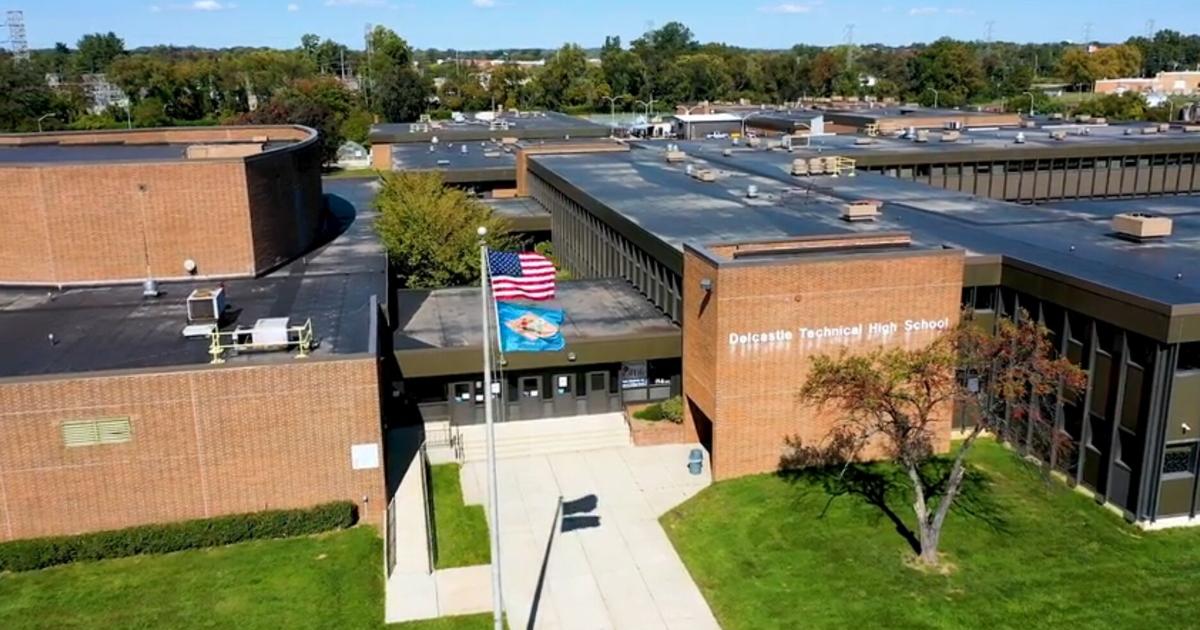
Delaware OKs Delcastle Certificate, Funds Charlton; Brandywine Needs Referendum
Delaware's vocational-technical district is staring down a $315 million bill to replace a high school that opened when...

Connecticut AI Law Removes Automated Tool Defense in Employment Bias
Connecticut employers woke up on October 1 to a new legal reality: the algorithm is no longer an...

One Tax Year Later: What Maryland Business Owners Learned About Capital Gains Surcharge
Maryland’s new capital gains surcharge has already added $40,000 to the state tax bill on a $2 million...

Bismarck Collector Returns Long-Lost Blueprints to Paul Broste Rock Museum in Parshall
"These are the bones of the building," said Wayne Wolff, the Bismarck collector who spent years tracking down...