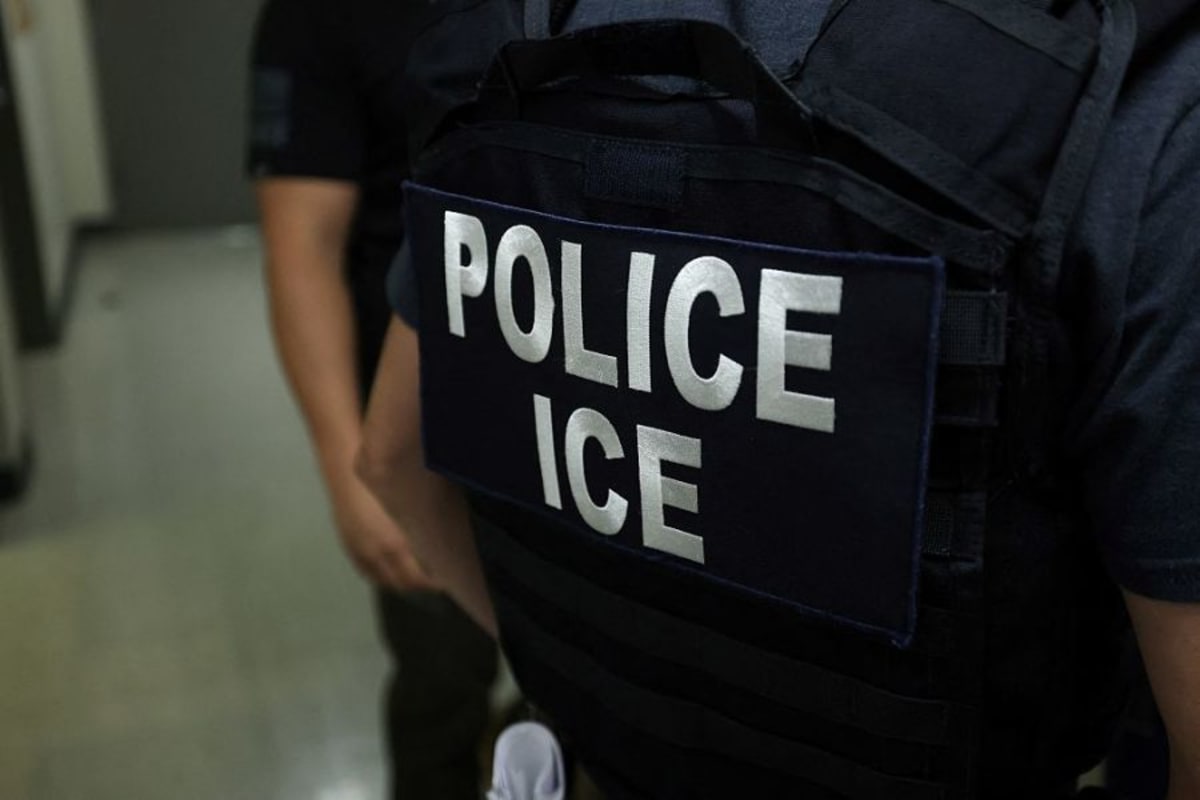
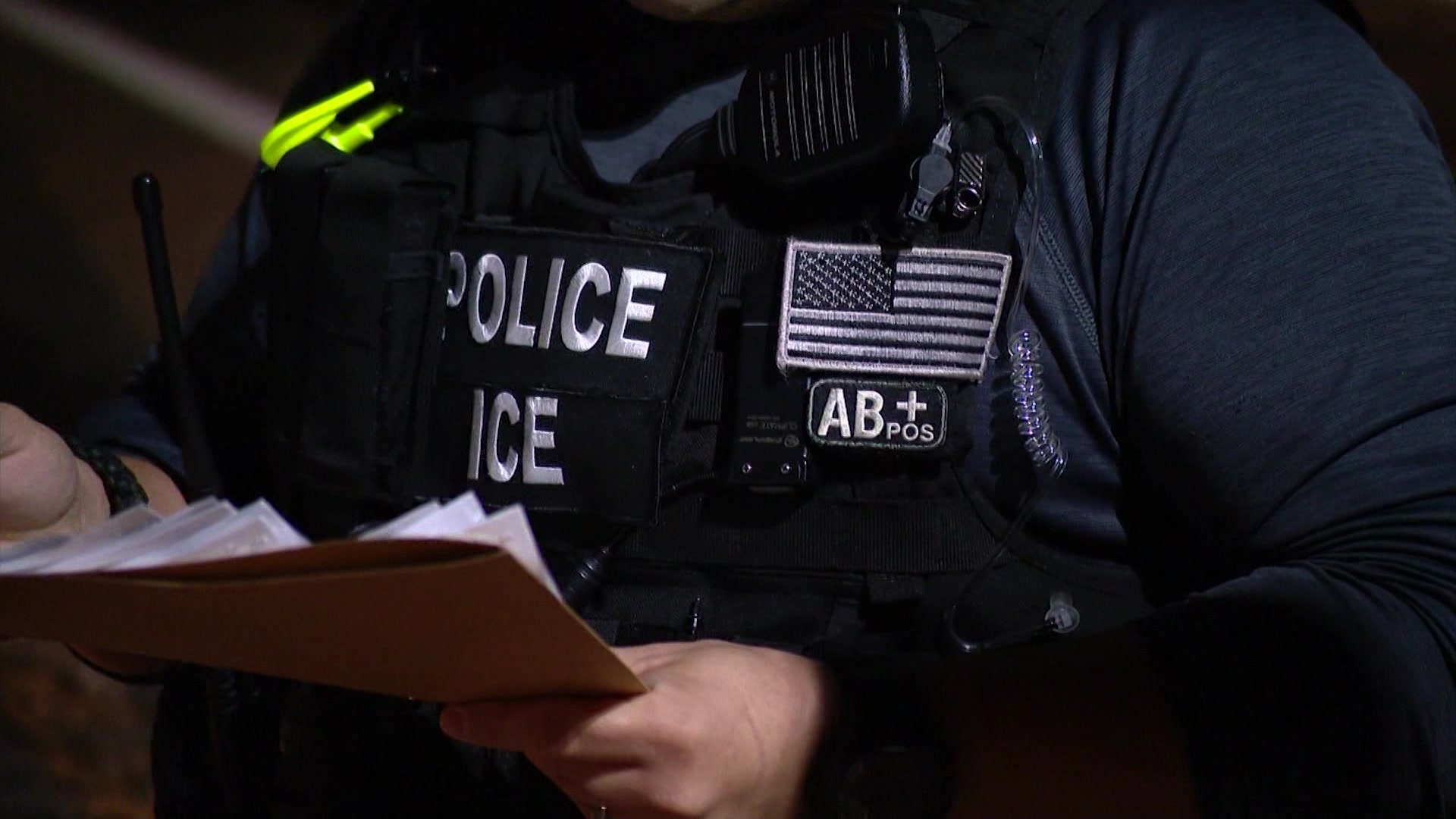
“Masked, armed agents without visible badges have surrounded cars in traffic and stormed homes and workplaces, terrorizing and traumatizing our communities,” Governor Ned Lamont’s spokesperson Cathryn Vaulman said Friday, hours after a federal judge blocked Connecticut from enforcing a law designed to stop exactly that.
U.S. District Judge Vernon D. Oliver granted a preliminary injunction against four sections of Senate Bill 397, ruling they “likely violate the Supremacy Clause” of the U.S. Constitution. The decision, detailed in a nearly 40-page ruling, bars the state from enforcing a mask ban on ICE agents, a requirement to display name tags and badges, and provisions granting the state Inspector General authority to investigate and prosecute federal officers for deadly use of force.
CT Insider reported the law was effectively a “dead letter” from the moment Lamont signed it in May, with ICE agents openly defying it during a multi-day operation in Danbury that arrested more than 100 people.
The ruling aligns Connecticut with California, New York, and Pennsylvania, where federal courts have struck down similar state attempts to regulate federal immigration enforcement. A hearing in the Justice Department’s challenge to a New Jersey law is scheduled for Monday.

The Constitutional Collision
Judge Oliver anchored his decision in the Supremacy Clause, quoting the Federalist Papers on the necessity of a federal government not bound by state law. “The Supremacy Clause ensures that federal operations are not chilled by state prosecution and that federal officers are immune from state prosecution when acting within the scope of their federal authority,” Oliver wrote, citing a 2022 Supreme Court precedent.
The Justice Department sued within days of the bill’s signing, arguing Connecticut cannot impose conditions — like mask removal or name tags — on how federal officers conduct their duties.
In his order, Oliver agreed that Section 6 of the bill “plainly imposes conditions on how federal officers must conduct and present themselves during the course of their federal duties, and it subjects them to criminal and civil penalties if they do not abide by those state-imposed conditions.”
“Sanctuary politicians attempting to ban our federal law enforcement from wearing masks is despicable and a flagrant attempt to endanger our officers,” the Department of Homeland Security said in an unsigned statement Friday. “To be crystal clear: we will not abide by unconstitutional bans. The Supremacy Clause makes it clear that sanctuary politicians do not control federal law enforcement.”
DHS argued agents wear masks “to protect themselves and their families from real-world threats including agitators,” and insisted only federal agencies can investigate actions taken by federal officers in the course of official duties.
The Political Fault Lines
Attorney General William Tong’s office said Friday it was “reviewing the decision and evaluating next steps,” according to CT Insider. State Rep. Matt Blumenthal, a trial attorney and senior Judiciary Committee member, sharply criticized the ruling.
“SB 397’s use of force and mask provisions are just common sense provisions to prevent civil and constitutional rights violations and do not interfere with any lawful activity by federal officials,” Blumenthal wrote. “The evidence in permanent injunction proceedings should establish this. ICE and other federal agencies should keep lawless violence out of Connecticut — or they will face legal consequences, one way or another.”
Republican leaders claimed vindication. Minority Leader Stephen Harding, Minority Leader-elect Rob Sampson, and Sen. Eric Berthel issued a joint statement saying they “warned” Democrats the proposal was unconstitutional. “Connecticut residents deserve better than legislation that is more about messaging than sound, constitutional governance,” they said.
The law originated after ICE and Customs and Border Protection agents shot and killed two protesters in Minneapolis during an enforcement operation earlier this year. That incident sparked the legislative push in Hartford, but Friday's ruling highlights the structural hurdles states face when trying to police federal operations within their borders.
Judge Oliver acknowledged “many Americans have expressed their opposition to the escalation of immigration enforcement in their communities,” but wrote the Constitution “prohibit[s] States from interfering with or controlling the operations of the Federal Government.”
Lamont’s office urged the incoming Democratic majorities in Congress to strengthen oversight of DHS. The next move belongs to Tong’s office, which must decide whether to appeal Oliver’s preliminary injunction as the case proceeds toward a permanent ruling.
Related reading

BYU Loses Moa, Glasker for Road Finale at Kansas on Nov. 21
No. 10 BYU travels to Kansas for its regular-season road finale Saturday, Nov. 21, on ABC without running...

Washington Huskies Defeat Cleveland State 3-0 in NCAA Tournament, Advance to Face West Virginia
Fifth-seeded Washington opened its NCAA title defense with a 3-0 win over Cleveland State on Thursday night in...
CNU Leads CyberBridge Initiative to Solve Entry-Level Experience Loop for Cybersecurity Students
"Many jobs require internships to apply and this helps us to have that," said Aden Kieffaber, a Christopher...

The Holiday Season Usually Brings a Spike in Generosity
The holiday season usually brings a spike in generosity, but a workshop in Cheyenne on Thursday laid bare...