
Federal telework plummeted by 73% from fiscal 2024 to 2025.
According to the annual report to Congress released by the Office of Personnel Management, this shift reflects the implementation of a presidential priority to have federal employees work in person. The data, which surveyed 97 agencies, highlights a 6% decrease in the total number of employees eligible for remote work.
A Shift in Mission Philosophy
OPM Director Scott Kupor framed the reduction not as an elimination of flexibility, but as a return to core operational norms. The results matter because policy is only as good as its execution,” Kupor wrote.
While the administration maintains that the mandate is necessary to improve government services, the transition has faced significant pushback. A survey conducted earlier this year by Federal News Network indicated that more than three-quarters of respondents say they are less productive now than they were prior to returning to office.

The Missing Metrics
Workplace experts are raising questions about the lack of concrete data connecting this mandate to actual performance improvements. Historically, federal telework reporting provided a window into the fiscal and operational impacts of remote work. For instance, a 2024 report to Congress detailed how telework bolstered hiring and retention goals while improving emergency preparedness.
Mika Cross, a government workplace expert who previously managed telework programs at the Department of Agriculture, said that the current report omits key performance indicators like customer satisfaction and cost savings.
Cross pointed to her own experience in 2010, when a 10% increase in telework participation at the Agriculture Department resulted in an $8 million reduction in transit subsidies.
“If we’re talking about more than a million federal workers now being forced back into a physical location, I think we deserve to see the cost and how it aligns to productivity and performance of our mission on behalf of the American public,” Cross told Federal News Network.
Methodology Concerns
The report’s methodology has also come under scrutiny. Rather than tracking trends over the full fiscal year, OPM narrowed its data collection to a pay period from Sept. 7 to 25. OPM stated this window provided a more accurate snapshot of telework after agencies had implemented the new telework requirements.
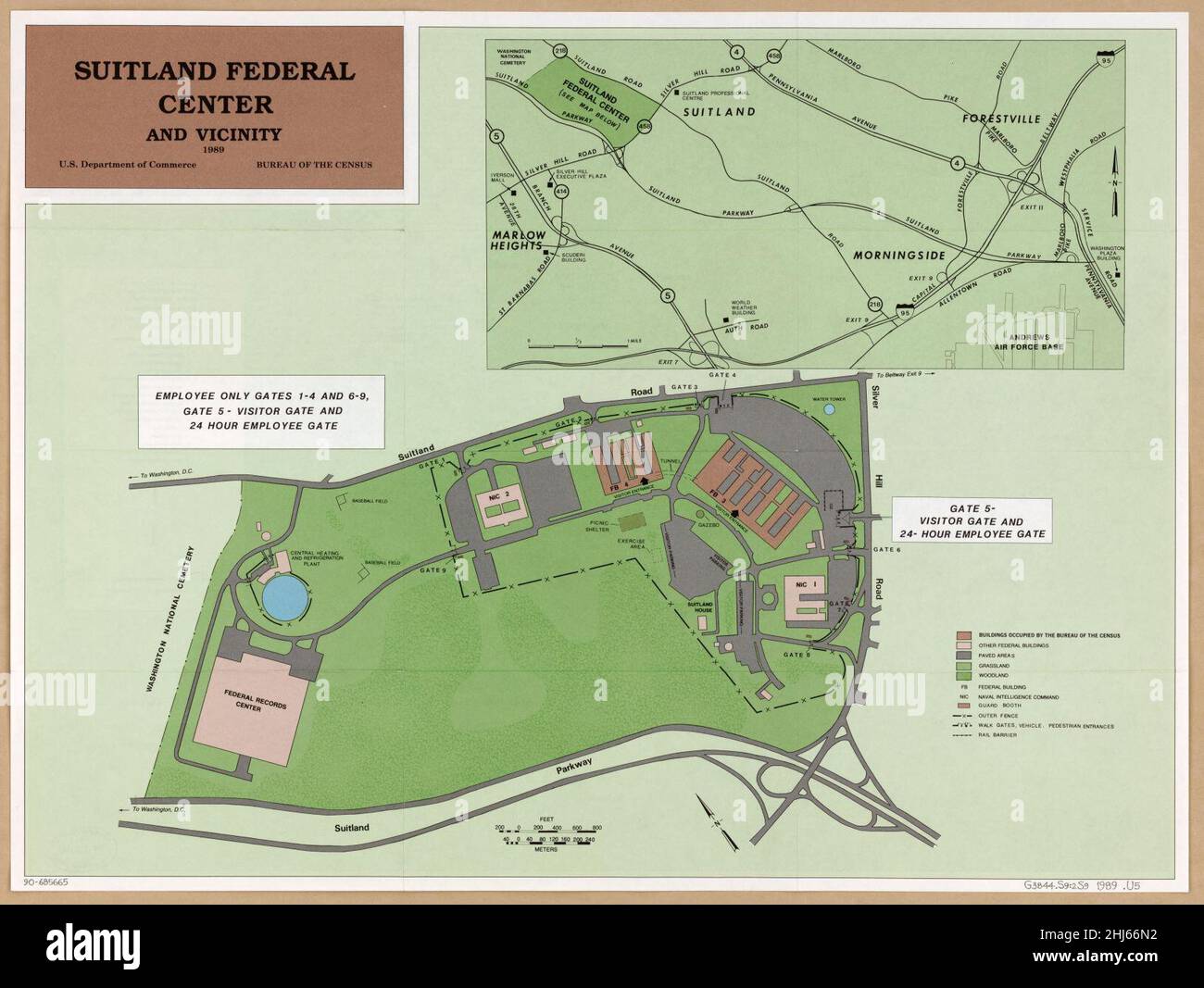
Critics argue this approach ignores the reality of agency operations. Throughout 2026, various federal facilities—including those at the Suitland Federal Center—forced employees to work remotely due to building maintenance and water quality issues. By focusing on a narrow timeframe, the report may fail to capture the instances where telework remains a vital contingency for infrastructure failures.
As agencies continue to navigate these new requirements, the question of whether the physical return to the office translates to better outcomes for the public remains unanswered. While the OPM spokesperson said that agencies are responsible for measuring their own productivity and service delivery, the issued guidance provided by the administration makes the current mandate clear: in-person attendance is now the primary objective.
For now, the government is committed to a permanent, office-centric model. Whether that shift will reverse the recent decline in customer satisfaction scores remains a central point of contention for both the workforce and the public they serve.
Worth a look

Tamin Lipsey Sets Iowa State Wins Record in 66-45 Victory Over Niagara
Iowa State guard Tamin Lipsey climbed past his idol, Monte Morris, to become the program's all-time leader in...

BREAKING: University of Nebraska-Lincoln to Replace UPC, Campus NightLife
Both of the University of Nebraska-Lincoln’s student organizations dedicated to planning events on campus will no longer exist...

ICE Increases Arrests at New Mexico Home Construction Sites, Putting Workers on Edge
U.S. Immigration and Customs Enforcement agents descended on residential construction sites in Albuquerque and Santa Fe, arresting multiple...

Bleak Squad Perform Inner-City Blues at Manchester’s YES Basement
Australian supergroup Bleak Squad performed at Manchester's YES basement venue during their United Kingdom tour, delivering an unadorned...