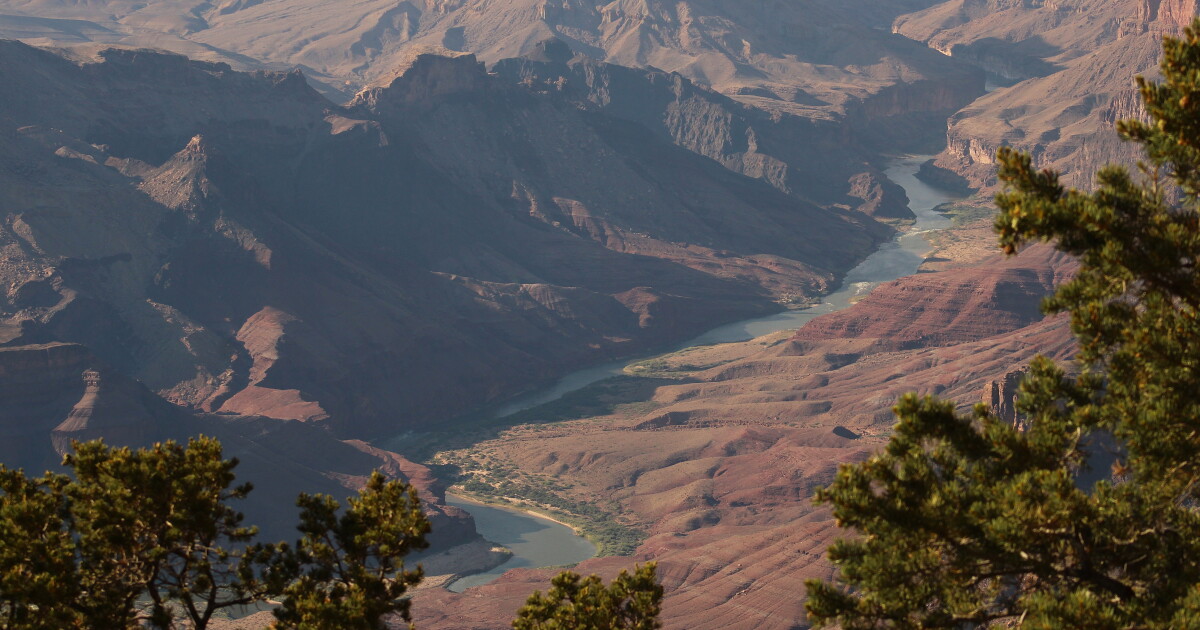
Federal spending on Colorado River Basin water conservation fell by more than 70% during the first 18 months of the Trump administration, according to an independent report.
That drop reduced support for water-saving work from $675 million down to $200 million across five major programs managed by the Department of the Interior and the Department of Agriculture, KJZZ reported.
About 40 million Americans across seven states rely on the Colorado River for water, Common Good News reported. Roughly 26 years of dry conditions, driven by climate change, have pushed the system’s largest reservoirs to historically low levels.
Voluntary conservation programs took the heaviest blow because they rely entirely on funding to make participation practical for tribes, ranchers, and producers, Wisevoter reported.
Federal Investments Plunge Across Colorado River Basin States
Federal investments fell by 73.3% in Upper Basin states including Colorado, New Mexico, Utah, and Wyoming. Lower Basin states including Arizona, California, and Nevada saw a 61.6% drop.
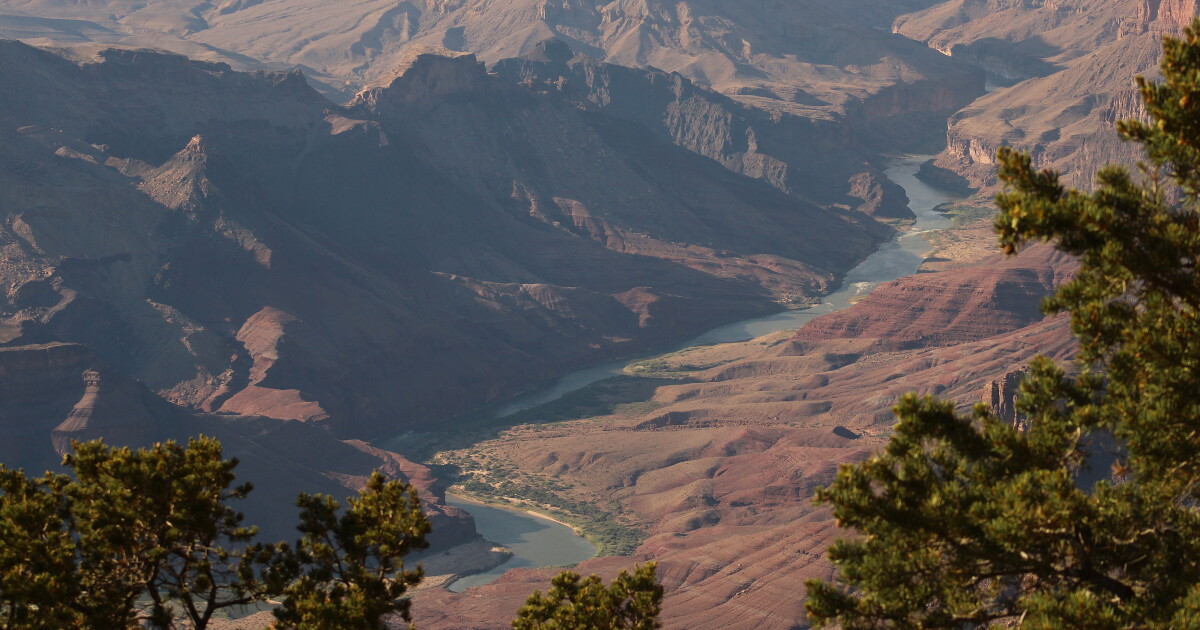
Most of the river’s water starts as mountain snowfall in the Rocky Mountains. Upstream conservation work directly affects how much water reaches downstream communities.
Staffing at the Natural Resources Conservation Service dropped from 11,817 employees at the end of 2024 to 9,160 workers by the end of 2025.
“We’re seeing fewer farms, we’re seeing fewer counties participating in these programs,” said Bernie Kluger, a report co-author. “It goes back to the reduction in the number of on-the-ground federal engineers who are going out and working with people hands-on, walking the land and helping them put together their grant applications.”
Canceled Contracts and Clawed-Back Funds
Much of the funding reduction came through the deobligation and cancellation of existing contracts. Tens of thousands of agreements with farmers, ranchers, and small business owners were terminated.
“We have never seen anything on this scale in the nation’s history, where literally tens of thousands of contracts with farmers, ranchers and small business owners were canceled, and the money was clawed back,” Kluger told KJZZ. “We’re actually seeing counties where there’s more money being taken out of existing contracts than being put into new contracts.”
These cuts leave participants with fewer choices and less financial support to maintain conservation practices on their land, according to Andrea Delgado, a co-author of the report published by research groups Prospect Partners and Hawk Eye Strategies.
“They work because people choose to take part in them,” Delgado told KJZZ. “If less funding is available, it means that these ranchers, these producers, these tribes have fewer choices and funding support available to them, so that they can take on conservation practices on their land.”
Related reading
- Columnist: 3 Suns Stats to Be Thankful for This Thanksgiving
- NFL Replay Center Overturns Rashee Rice Catch; Andy Reid Disagrees
- Trump's Beef Quota Filled About 37% in Month One; Ground Beef Fell 13 Cents (daybreakwire.com)
- Trump Starts Remdesivir at Walter Reed, Doctor Says He’s Doing Well (archyde.com)

Columnist: 3 Suns Stats to Be Thankful for This Thanksgiving
Bright Side of the Sun columnist argues the Phoenix Suns have three statistical reasons for Thanksgiving optimism: a...

NFL Replay Center Overturns Rashee Rice Catch; Andy Reid Disagrees
The NFL replay center in New York overturned a Rashee Rice catch that would have given the Kansas...

Maine Turnpike Tests Pollinator Plantings on 160 Acres
The Maine Turnpike Authority is converting mowed highway verges into native plant corridors to help pollinators like monarch...

Nico Paz Open to Man Utd Move, Rules Out Real Madrid Return
Nico Paz is open to joining Manchester United after the midfielder ruled out a return to Real Madrid,...