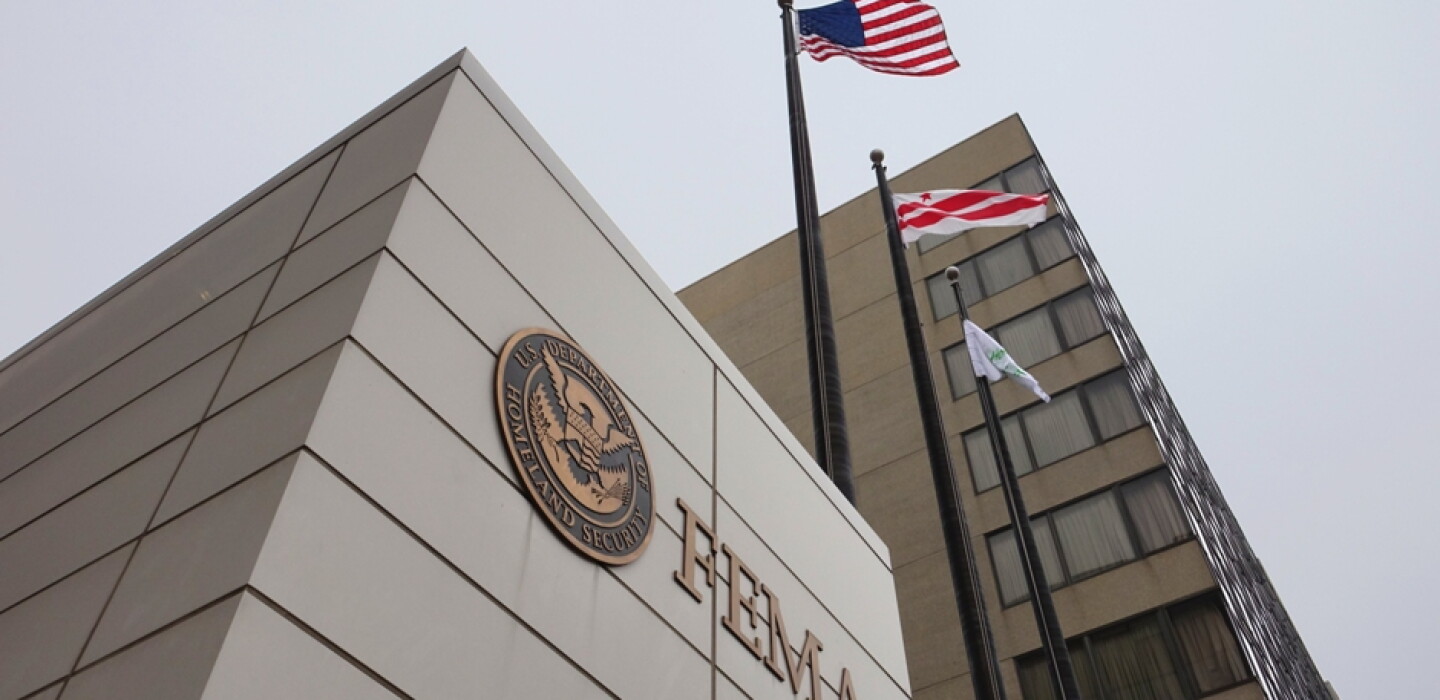
FEMA Pushes Disaster Costs to States as Federal Role Shifts
Federal Emergency Management Agency Administrator Cameron Hamilton outlined a sweeping operational shift last week, signaling that states must prepare to shoulder a significantly larger share of disaster response and recovery costs. In a memo and a speech delivered in Little Rock, Hamilton detailed a future where natural disasters like hurricanes, floods, and wildfires trigger less automatic federal intervention.
The directive arrives as the U.S. Government Accountability Office reported that the federal agency’s workforce has dropped dramatically since January 2025, losing roughly 7,000 of its approximately 29,000 employees in 2024.
Louisiana National Guard Brigadier General Jason P. Mahfouz, who runs the Louisiana Governor’s Office of Homeland Security and Emergency Preparedness, attended the National Emergency Management Association conference where Hamilton made the remarks. While Mahfouz noted that the general theme aligns with the administration’s push for a national view of resiliency and reduced federal dependency, he pointed out critical gaps in the federal blueprint.
The memo is very aspirational. I mean, it really doesn’t provide what you would call a crosswalk from how you go from encouraging greater state ownership to establishing minimum capacity requirements.
The seven-page memo authored by Hamilton stresses that reducing federal dependency requires partners to build, maintain, and exercise the capabilities needed to manage incidents effectively. Under this strategic direction, the federal government would step in primarily as a backstop when disasters overwhelm state and local authorities. Hamilton also suggested that the National Flood Insurance Program should consolidate its functions and urged every state to build appropriate financial reserves to initiate cleanup immediately without waiting for Washington.
Congressional Action Determines FEMA Core Structure
While executive protocols can alter certain operations, Mahfouz emphasized that the core structure of FEMA is governed by black-letter law requiring congressional action to change. That reality places federal lawmakers at the center of the debate over the agency’s future.

U.S. Rep. Troy A. Carter Sr., a New Orleans Democrat who co-chairs the House Disaster Preparedness and Recovery Caucus, sharply criticized the administration’s direction. Carter pointed out a striking contrast in scale: the federal government spent more than $100 billion on the 2005 hurricanes Katrina and Rita, whereas Louisiana’s entire state budget for fiscal year 2027 is approximately $51 billion.
FEMA is not perfect, but it was the backbone of our long-term recovery after Katrina, covering costs that would have bankrupted our state and our people. Stripping away FEMA’s workforce, funding, and essential programs would leave millions of Americans vulnerable and unprotected as natural disasters become more dangerous and frequent.
Carter warned that the administration’s approach leaves states like Louisiana understaffed, underfunded, and under resourced when severe weather strikes. A bill addressing recommendations from the FEMA Review Council is currently sitting in committees, though legislative progress is unlikely to accelerate ahead of the November 3 congressional midterm elections, meaning the debate will carry over when the 120th Congress convenes in January.
Meanwhile, House Majority Leader Steve Scalise’s office defended the administration’s engagement, noting that the Jefferson Republican has been working with the administration and state partners to ensure Louisianans receive necessary support during emergencies. Practical tests of federal responsiveness continue. FEMA recently stepped in to assist residents across five parishes following Tropical Storm Arthur, which made landfall near Galveston on June 17 and dropped more than 29 inches of rain in Cottonport, triggering 14 tornadoes nearly 300 miles from the coast.
Related reading
Grand Island Mayor Candidates O’Neill and Reed File Campaign Reports
Grand Island Mayoral Race Draws New Campaign Filings The financial ledger of local politics just expanded in Hall...
Libertarian Candidate Calls Native Peoples ‘Pets’, Native News Online Says
Montana Senate Debate Erupts After Libertarian Candidate Calls Native Americans "Pets" During a maternal health forum in Billings,...

St. James Academy Wins Inaugural Kansas Girls Flag Football State Championship
St. James Academy Claims Kansas’s First Girls Flag Football Championship History arrived on a Tuesday evening in late...

Pete Buttigieg Campaigns for Scott Colom in Mississippi Senate Race
Pete Buttigieg Pushes Mississippi Voters to Send Shockwaves in High-Stakes Senate Race Former U.S. Transportation Secretary Pete Buttigieg...