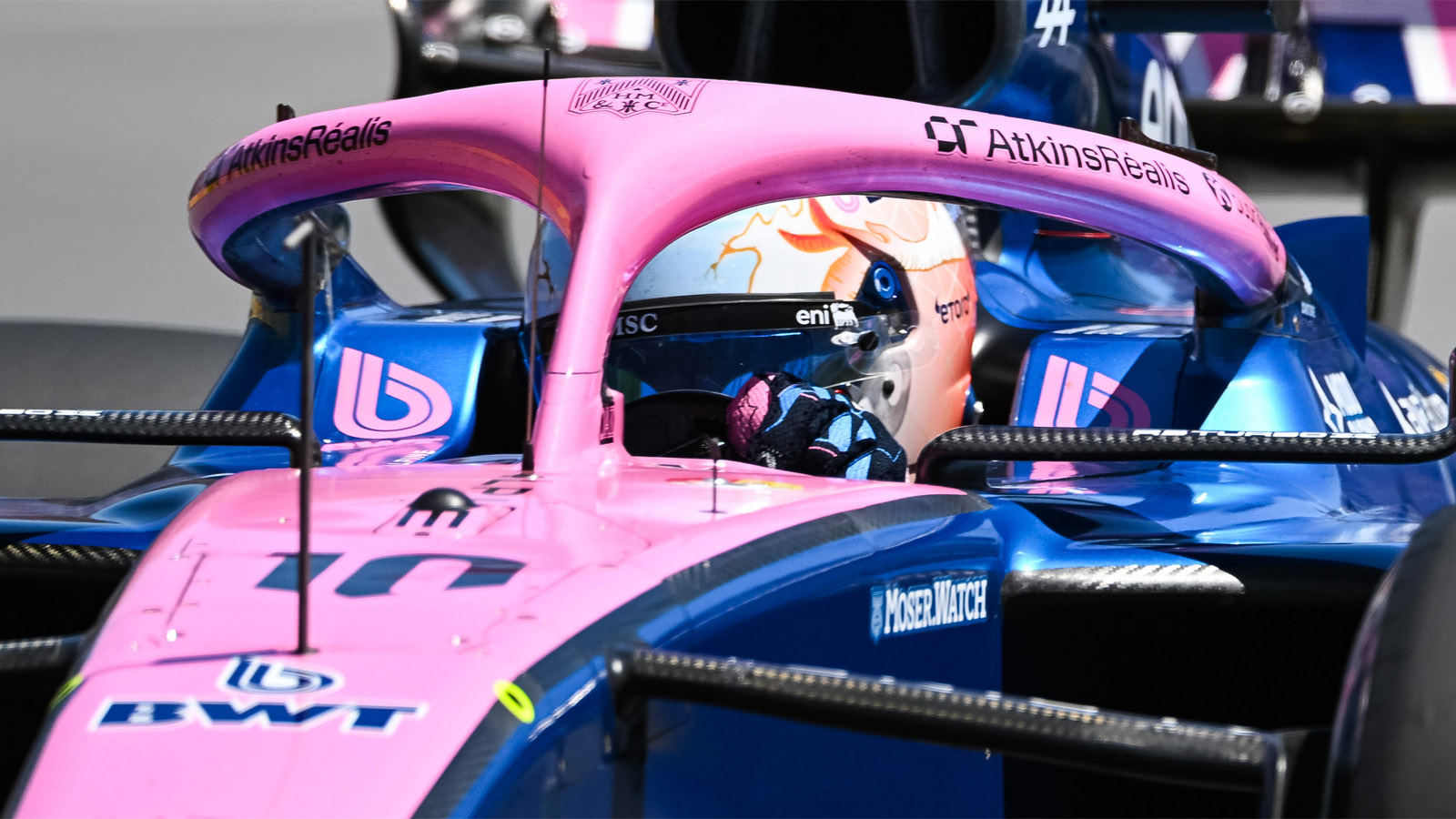
Formula 1 driver Pierre Gasly received approximately 13,000 death threats following a racing incident during the Spanish Grand Prix in September, according to FIA president Mohammed Ben Sulayem. The barrage of hate extended beyond the driver, targeting Gasly’s immediate family and his girlfriend. This escalation of online abuse is now driving race officials to resign, with Ben Sulayem reporting that a female steward quit her role after receiving threats of murder and rape.
The situation highlights a growing crisis in professional sports where the line between passionate fandom and criminal harassment has vanished. What began as a dispute over track position—specifically, Gasly appearing to hold up his Alpine teammate Franco Colapinto in the closing stages of the race—spiraled into a coordinated campaign of terror. For some "fans," a sporting result is no longer entertainment, but a catalyst for targeted violence.
AI and Bans to Combat Online Hate
Speaking with The Drive during the F1 United States Grand Prix in Austin, Texas, Ben Sulayem warned that the sport risks becoming “beyond repair” if these patterns continue. To counter the anonymity of the internet, the FIA is now deploying artificial intelligence to identify and expose abusers who hide behind fake accounts and screen names.
The FIA’s strategy is moving toward tangible consequences. Ben Sulayem stated that the organization will use its authority to ban abusive spectators from races, official platforms, and events. He extended this threat to members of the media who engage in such behavior, arguing that exposing even one high-profile abuser would serve as a deterrent to others.
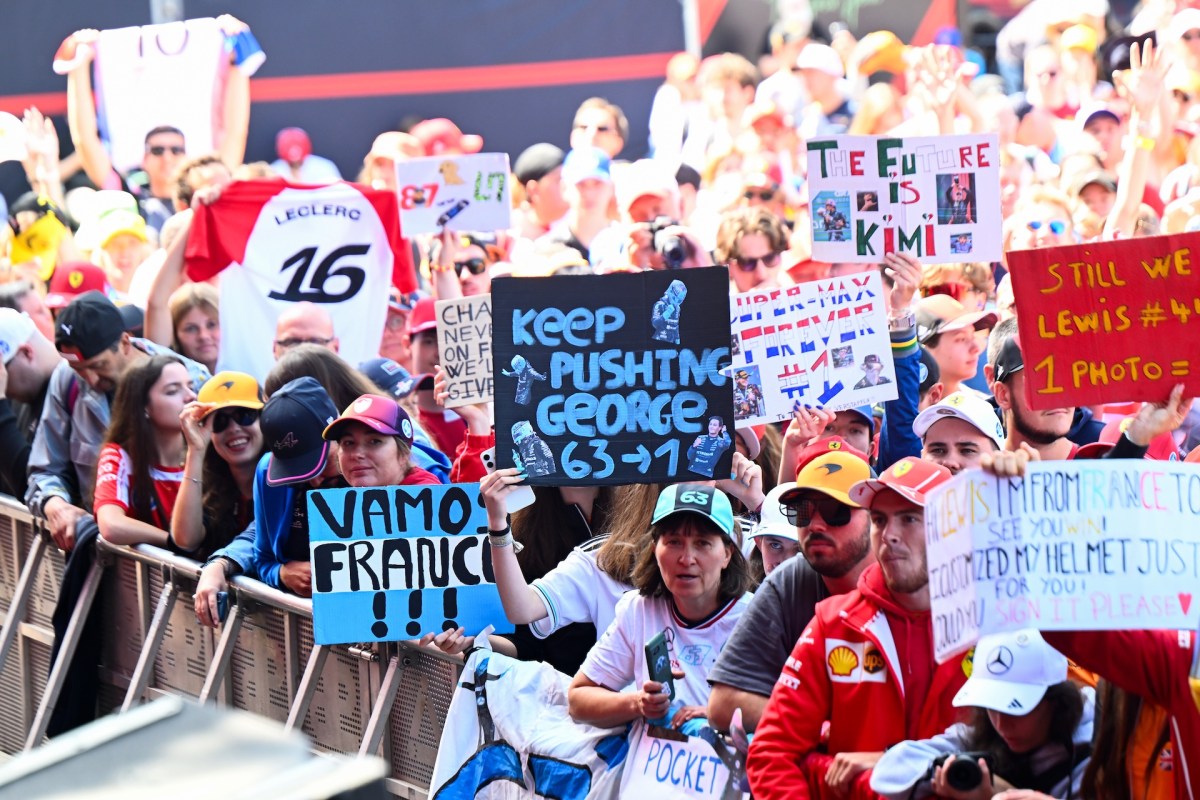
“Pierre Gasly had 13,000 threats on his life—13,000! If we fight this alone, we will fail; we can’t do it alone,” Ben Sulayem told The Drive.
The Media Blackout Strategy
While the FIA focuses on technology and bans, Alpine team principal Flavio Briatore opted for a more immediate, psychological lever. Briatore reportedly threatened to impose a total media blackout on Franco Colapinto if his fan base continued to harass other drivers. This ultimatum—which would strip Colapinto of interviews, social media coverage, and TV access—effectively silenced the abuse. According to The Drive, the warning worked.
This approach shifts the burden of behavior from the anonymous troll to the athlete. Ben Sulayem suggested that other drivers should follow suit, urging them to tell their followers that they do not want the support of anyone who behaves abusively.
A Pattern of Nationalistic Aggression
The abuse directed at Gasly is not an isolated incident, nor is it random. The Drive notes that Argentinian fans have been singled out as particularly aggressive offenders, often rallying around Colapinto, who is currently a symbol of national pride. A similar pattern occurred with IndyCar racer Agustin Canapino, whose career was significantly impacted after Argentinian fans unleashed a “tsunami of online hate” against anyone who clashed with him on the track.
However, the toxicity isn’t limited to one region. F1 has a long, documented history of such issues, including the racism endured by Lewis Hamilton early in his career, which included fans wearing monkey masks and displaying racist billboards. While the FIA claims to take these matters more seriously now, the sheer volume of threats against Gasly suggests the problem has evolved from overt bigotry to a broader, more systemic volatility.
Gambling Drives Death Threats Against Baseball Players
While gambling wasn’t specifically cited as the motive for the threats against Gasly, it is a primary driver in Major League Baseball (MLB). Veteran reliever Ryne Stanek said he receives death threats daily, noting that fans routinely blame players for “ruining their bets.”
The human cost is becoming increasingly visceral:
- Tanner Scott (MLB): The Los Angeles Dodgers pitcher’s wife revealed that fans threatened their family, including their newborn baby, after a loss to the Philadelphia Phillies.
- Jarren Duran (MLB): The Boston Red Sox outfielder recently attempted to expose a fan who sent him messages mocking a previous suicide attempt.
Fan Passion Threatens Sport Infrastructure and Officials
There is a counter-argument often whispered in fan forums: that athletes are public figures who sign up for the scrutiny that comes with fame. Some argue that “passionate” reactions are part of the sport’s ecosystem. But there is a fundamental difference between criticizing a driver’s line into a corner and threatening the life of their child or spouse.
The real stake here isn’t just the mental health of the athletes; it’s the integrity of the sport’s infrastructure. When qualified officials, like the female steward mentioned by Ben Sulayem, decide that a volunteer position isn’t worth the risk of being raped or killed, the sport loses the expertise required to run it safely. The “cost” of the race is no longer just the price of a ticket or the risk of a crash—it’s the erosion of the people who make the race possible.
The FIA is now betting on AI and bans to stem the tide, but the question remains: can a governing body truly police the global, anonymous anger of millions, or has the gamification of sports fandom created a monster that technology cannot fix?
Related reading

PM General Manager at Cook Out: High Pay with a 4 Day Work Week
Cook Out is seeking a Restaurant PM General Manager, offering a salary between $55,000 and $80,000. The position...

Utah vs. Michigan: Morgan Scalley Thrives While Kyle Whittingham Struggles
In 2026, the contrasting fortunes of Utah and Michigan have sparked a debate over coaching decisions and program...
Platt and Huang: Good People Cannot Enter Heaven Based on Merit
Good people do not enter heaven based on their own merit because biblical teaching emphasizes human sinfulness in...
Dr. Kirk Nooks Visits TCAT Dickson for Leadership Motion Tour
Dr. Kirk A. Nooks, President and CEO of the Council on Occupational Education (COE), visited the Tennessee College...