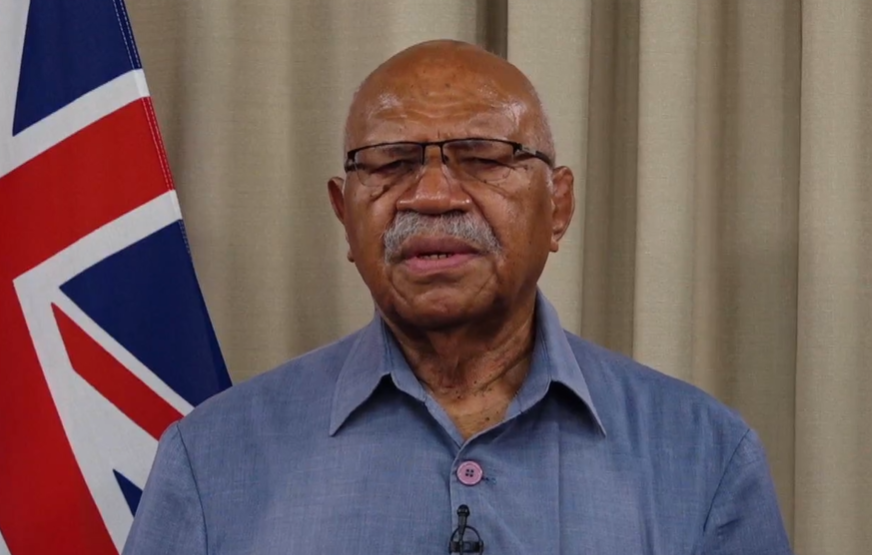
Prime Minister Sitiveni Rabuka declared a nationwide state of disaster, reversing his dismissal of the El Niño drought as manageable just weeks earlier.
The declaration, announced in a national address, followed Cabinet approval on the advice of the National Disaster Risk Management Council after updated assessments confirmed crisis thresholds had been breached under the National El Niño Preparedness and Response Plan. It invokes Section 91 of the National Disaster Risk Management Act 2024, granting authorities powers to mobilize resources and coordinate assistance.
“Today, I announce that Cabinet, on the advice of the National Disaster Risk Management Council, has approved the declaration of a National State of Disaster covering the entire Republic of Fiji under section 91 of the National Disaster Risk Management Act 2024, in response to the ongoing El Niño drought,” Rabuka said.
Under the National Disaster Risk Management Act 2024, the National Disaster Controller can forcibly evacuate residents, seize emergency resources, and direct movement by land, sea, or air. Rabuka said the government had reallocated FJ$20 million ($15.83 million) for emergency water supplies, farmer support, and urgent interventions.
The declaration marks a sharp rhetorical U-turn. Earlier this month, asked by a Fiji Sun reporter outside Parliament whether he was concerned about the drought, Rabuka replied: “Are people dying? No. We can manage.”
That comment drew public backlash. On Tuesday, Rabuka acknowledged the hardship his earlier answer minimized. “I know that families across Fiji are concerned about the availability of water and the effects of prolonged dry conditions on their daily lives,” he said. “Farmers are worried about their crops and livestock, while communities, particularly in remote and maritime areas, face growing pressure on their water supplies.”

The crisis has reached the greater Suva area. As of Saturday, the Water Authority of Fiji imposed strict night-time restrictions on households from 9 p.m. to 4 a.m. The Tamavua Water Treatment Plant has lost more than 15 percent of its raw water inflow.
Over the past month, the government has delivered more than two million litres of emergency water to affected maritime communities, Rabuka said. The Water Authority has also been supplying emergency water to communities on the mainland.
The Fiji Meteorological Service expects below-normal rainfall through the remainder of 2026 and into early 2027. “El Niño conditions are likely to reach very strong intensity and persist through the remainder of 2026 and early 2027,” the MetService said in an update this week.
The World Meteorological Organization projects this year’s event will become the strongest on record by next month. El Niño is a natural cycle, but this one is unfolding on a planet already warmed by climate change, amplifying its severity.
Wildfires have become a daily occurrence, hitting farms and forest plantations hardest.
Under Section 93 of the 2024 Act, the declaration remains in force for a maximum of 30 days at a time. Cabinet may extend or revoke it on the Council’s advice. The declaration will be broadcast publicly and published in the Government Gazette per Section 92.
“These concerns are real,” Rabuka said. “We will keep the public informed as conditions change and our response develops.”

Netflix Releases Selling Sunset Season 10 Trailer, Sets December 4 Premiere
Netflix released the official trailer for Selling Sunset Season 10 on November 18, confirming Christine Quinn and Heather...

ASCO International Affairs Committee Leaders Discuss Global Oncology Priorities
"The biggest concern [in cancer care globally today] is equity…," said Monica Malik, MD, DNB, FASCO, Immediate Past...

One in ten Christians Worldwide — Roughly 220 Million People — Now Face Direct Persecution
One in ten Christians worldwide — roughly 220 million people — now face direct persecution, a figure that...

UK Government Asks to Remove Russell Brand’s YouTube Account
British authorities are investigating Russell Brand after his wife read a handwritten statement from prison in which he...