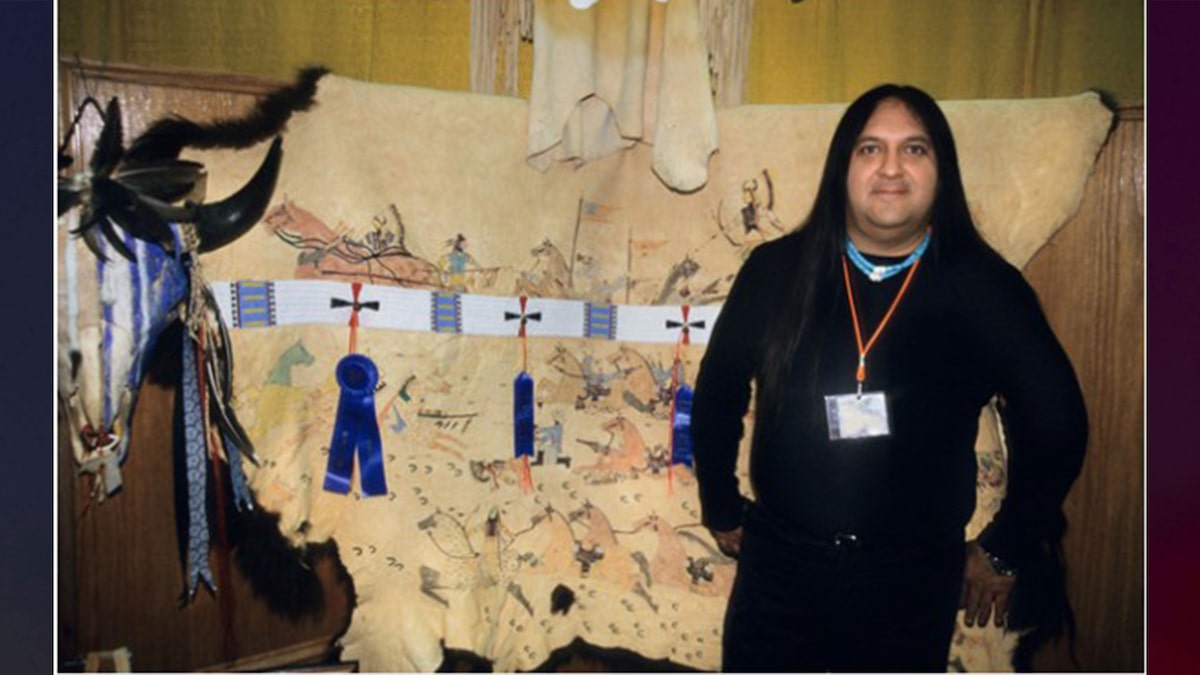
A Wyoming gallery owner pleaded guilty November 3 to a felony charge under the Indian Arts and Crafts Act, admitting he spent roughly a year posing as a Native American artist to sell counterfeit work, True Crime News reported.
Jose Martinez, operating as Joseph Skywolf out of Skywolf Gallery in Jackson, sold beaded tanned hides, headdresses, jewelry and paintings he falsely attributed to Native artisans from December 2023 through late 2024, according to the U.S. Department of the Interior. He received 24 months of supervised probation and was ordered to pay $14,000 in restitution, the department said, though Artnews and USA Art News both put the restitution figure at $14,100.
The case marks a rare federal prosecution under a 1990 law designed to protect a market that supports thousands of Native artists and their communities. “Authentic Indian art and craftwork is an important tool for passing down cultural traditions and artistic skills from one generation to the next,” said Meridith Stanton, director of the Indian Arts and Crafts Board at the Interior Department.
“While falsely claiming to be Chiricahua Apache, Apache, Navajo, and Native American when selling his counterfeit Indian art, Martinez undercut authentic Indian artists and Indian economies, culture, and traditions.”
— Meridith Stanton, director, Indian Arts and Crafts Board
Meridith Stanton
Martinez did not limit sales to his Jackson storefront. The Interior Department said he moved inventory through a mobile gallery that traveled to Indian art markets and other venues across the West, Southwest and Plains regions, broadening the pool of deceived buyers. AmeriLedger noted the operation spanned “Indian art markets and other venues across the West, Southwest, and Plains regions,” citing the same federal statement.

The Indian Arts and Crafts Act, Public Law 101-644, makes it illegal to offer or display for sale any art or craft product in a manner that falsely suggests it is Indian-produced, an Indian product, or the product of a particular Indian tribe. First-time violations carry penalties of up to $250,000 in fines and a five-year prison term for individuals.
Congress passed the act after hearing testimony that counterfeit goods — often mass-produced overseas — were flooding the market, driving down prices for authentic work and severing the economic link between Native artists and their cultural heritage. The Interior Department’s Indian Arts and Crafts Board handles enforcement referrals, but criminal prosecutions remain relatively uncommon.

“You buy a piece of beadwork because you want to support a Native American artist. Then you find out the seller lied about who made it. That deception hurts buyers and undercuts authentic Native American artists, as well as economies, culture and traditions,” the department said in its statement, as quoted by AmeriLedger.
Stanton issued a direct warning to others engaged in similar fraud: “For those selling counterfeit Indian art and craftwork it is important to know that wherever you are we will diligently work to find you and prosecute you under the Indian Arts and Crafts Act.”
The guilty plea came in federal court in Wyoming. The Interior Department’s announcement did not specify whether Martinez’s inventory was self-made or sourced from third parties, only that he misrepresented its origin and his own identity.
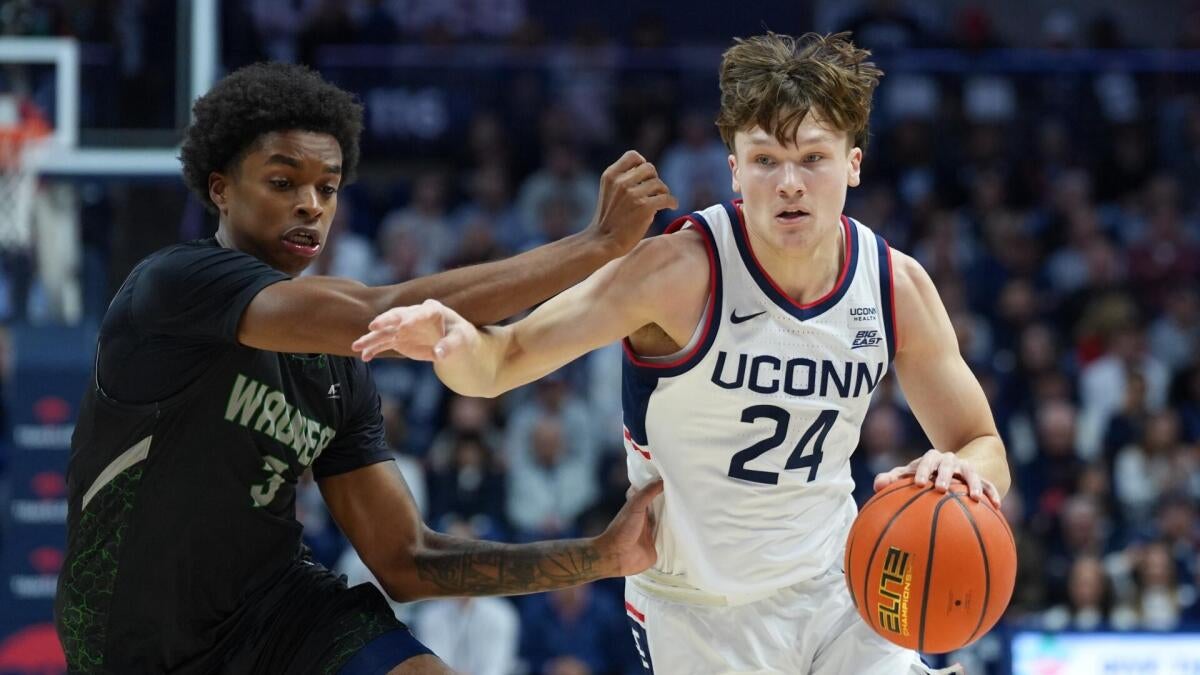
UConn vs. Arizona: Projection Models Split on Spread, Agree on Over 147.5
No. 3 Connecticut and No. 12 Arizona meet Wednesday at 9 p.m. ET in Tucson, a top-15 non-conference...
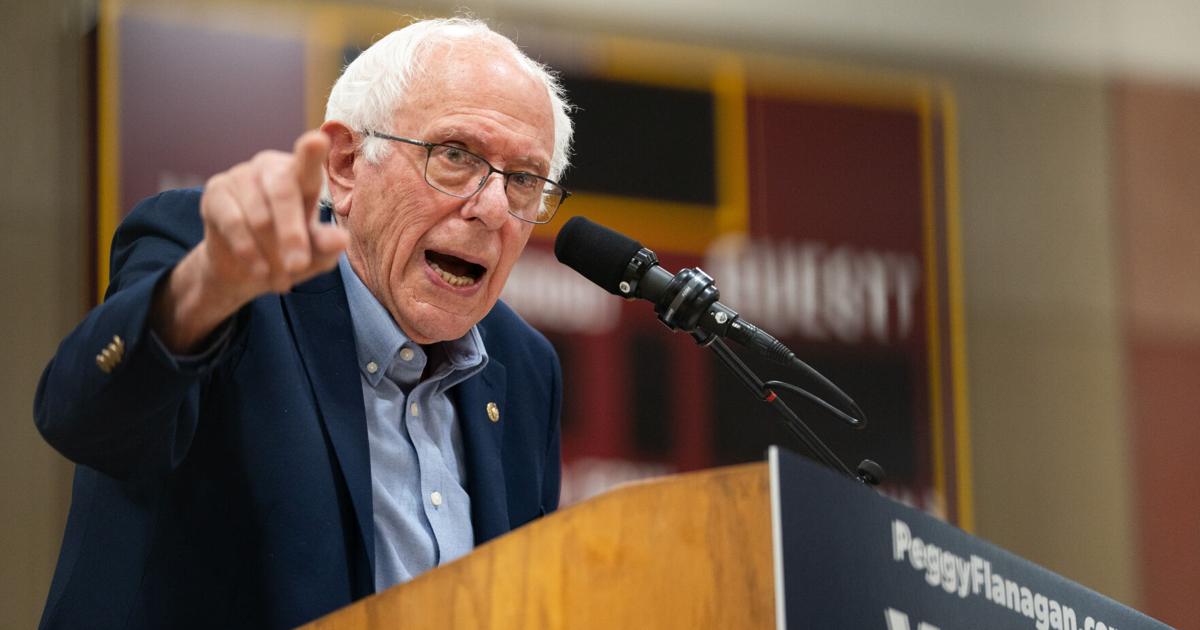
Sanders Unveils Medicare-for-All Plan Ahead of Democratic Senate Control
This is no longer a utopian vision. This is where the American people are, Sen.

Peltola Wins Alaska Senate Race Outright; Trump Fixated on Contest
Mary Peltola won an outright majority in Alaska’s Senate race last night, closing the door on a contest...

David Montgomery Cleared for Texans-Colts Game; Woody Marks Ruled Out
Houston gets its lead back for Thursday night, and it couldn’t come at a better time. David Montgomery...