
The first of three consecutive supermoons peaks over Kansas this week, offering Wichita skywatchers two prime evenings to catch the November “beaver moon” at its brightest.
The full moon reaches peak illumination at 8:53 a.m. Central Standard Time on Tuesday, Nov. 24, according to the Old Farmer’s Almanac. Because the sun will be up at that hour, the best views arrive the night before or the night of the peak, when the moon rises at 5:03 p.m. on Nov. 24, Time and Date reports.
Supermoons appear up to 14% larger and 30% brighter than a moon at its farthest point from Earth, National Geographic reported in 2025. NASA defines the phenomenon as a new or full moon occurring within 90% of its closest approach to Earth, though the agency notes “supermoon” is not an official astronomical term and definitions vary.
“Supermoons only happen three to four times a year, and always appear consecutively,” NASA reports. “Throughout most of Earth’s orbit around the sun, perigee and the full Moon do not overlap,” said NASA.
Weather will play a deciding role for local observers. AccuWeather forecasts partly cloudy skies over Wichita the night of Nov. 23 with a low around 37 degrees Fahrenheit. Conditions improve Tuesday night, with clear skies expected and a low near 34 degrees.
The November full moon carries the name “beaver moon” from the Old Farmer’s Almanac, marking the time of year beavers typically take shelter in their lodges. The almanac also lists Indigenous and colonial names for this moon, including the “digging” or “scratching” moon, the “deer rutting moon,” and the “whitefish moon.”
Wichita, the largest city in Kansas with a 2020 population of 397,532, sits in south-central Kansas along the Arkansas River. It began as a trading post on the Chisholm Trail in the 1860s, incorporated in 1870, and became a railhead for cattle drives that earned it the nickname “Cowtown.”
In the 1920s and 1930s, aircraft manufacturers including Beechcraft, Cessna, and Stearman Aircraft established operations there, making Wichita an aircraft production hub known as “The Air Capital of the World.”
This month’s event kicks off a trilogy of supermoons to close out 2026. The cold moon, also a supermoon, peaks Wednesday, Dec. 23 over Kansas, according to Astronomy.com. January’s full moon will complete the sequence as the third consecutive supermoon.
Worth a look

Oregon King Tides Arrive Monday: Photo Project Asks Public to Capture Flooding
The first King Tides of the season arrive on the Oregon coast Monday, launching a winter cycle that...

Vermont Police Hunt ‘Dangerous’ Man After Vehicle Thefts in Two Counties
Vermont State Police are hunting a 34-year-old man they call dangerous after a string of vehicle thefts spanning...

Liam Gleason Posthumously Honored with USILA Howdy Myers Man of the Year Award
The United States Intercollegiate Lacrosse Association posthumously presented the Howdy Myers Man of the Year Award to Liam...
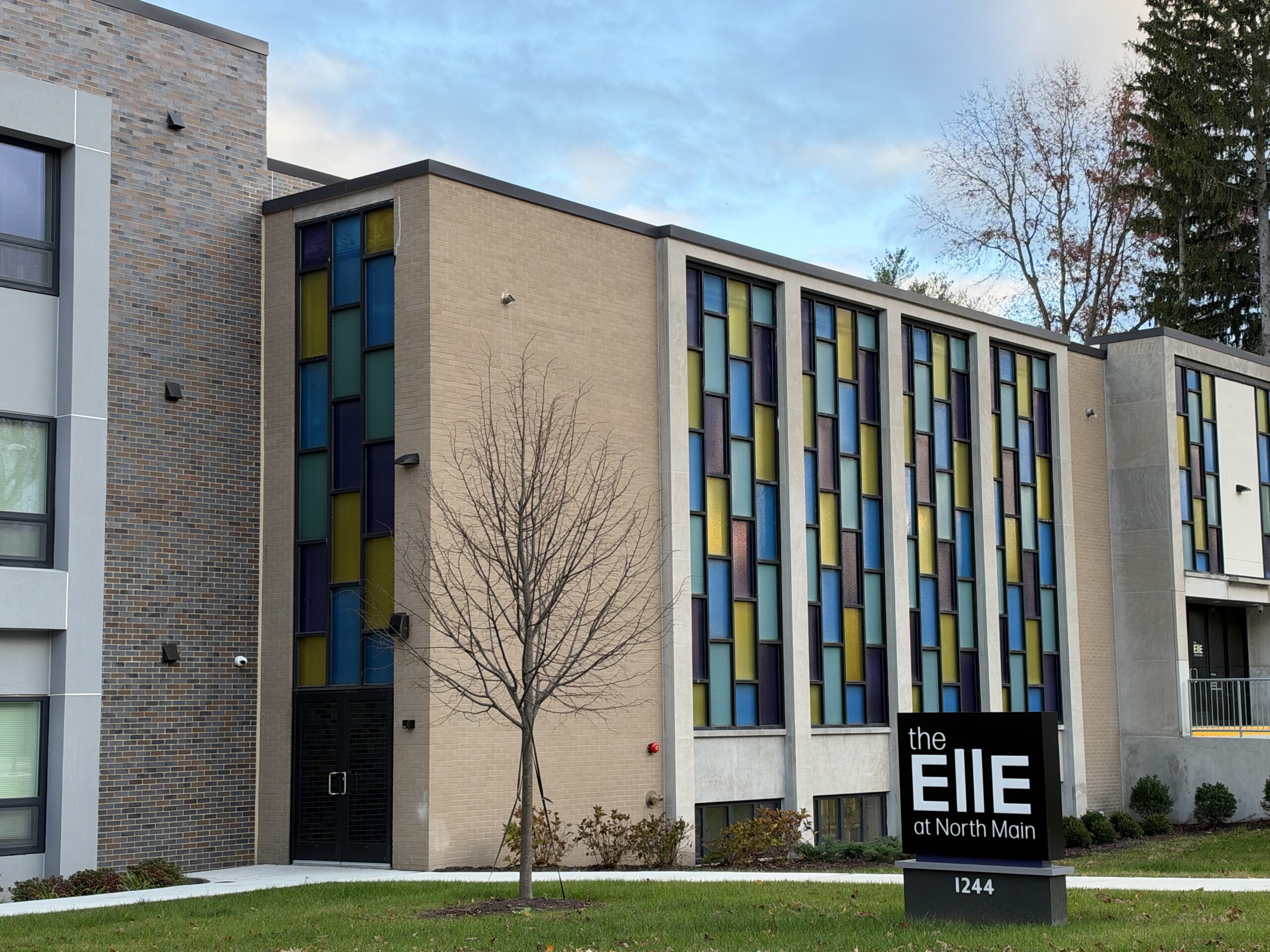
The Elle: Former West Hartford Synagogue Reimagined as 49-Unit Housing Development
"This is our first adaptive re-use," said Jill Corrado, executive director of the West Hartford Housing Authority. "It’s...