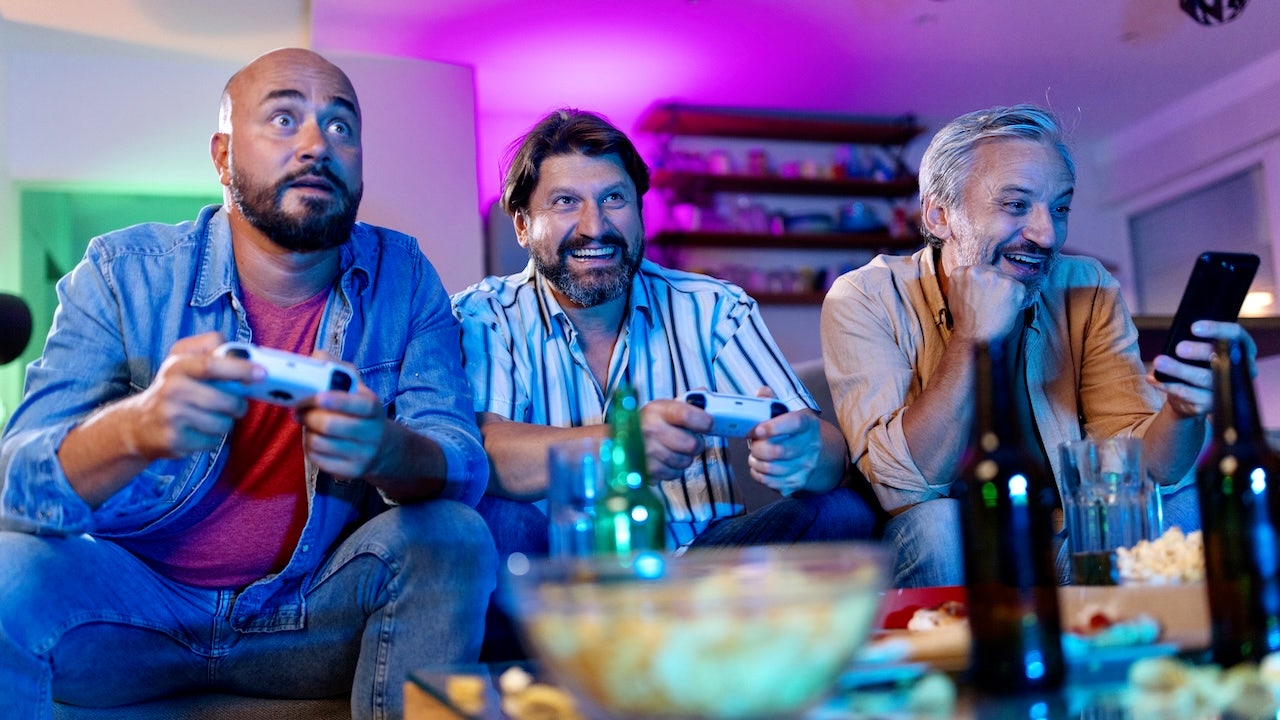
Millions of players are clearing schedules for Thursday’s launch of Grand Theft Auto VI on PlayStation 5 and Xbox Series X|S, with one in ten full-time employed U.S. gamers planning to skip work entirely.
The franchise’s latest installment arrives in a fictional state called Leonida that includes Vice City, and the anticipation is measurable: a GameSquare survey of 1,000 employed U.S. gamers found 30% are considering taking time off, 36% would call in sick rather than use vacation days, and 42% expect reduced productivity during launch week.
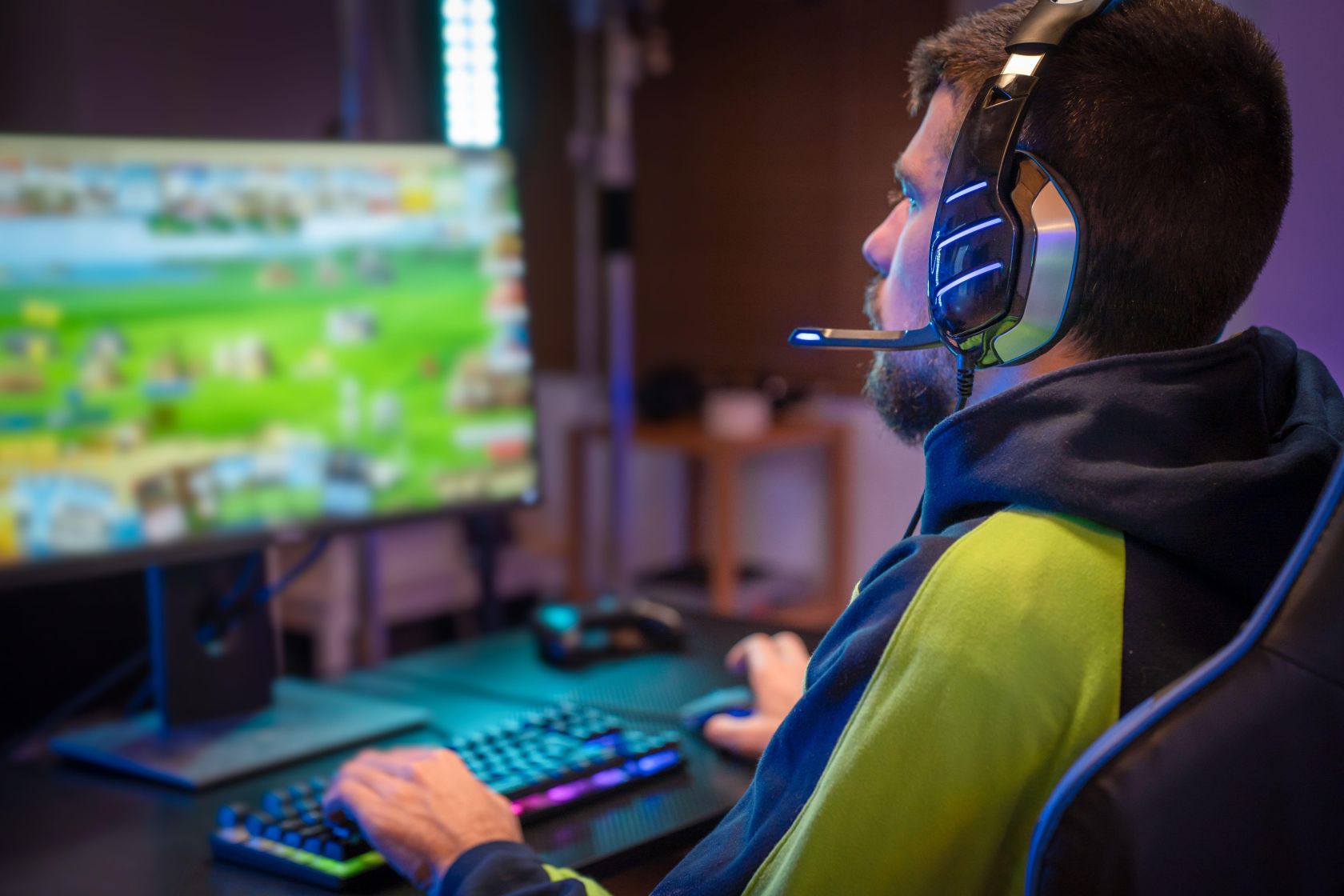
Neurologist Dr. Steve Allder of Re:Cognition Health describes gaming as a complex cognitive activity that engages multiple brain networks at once. The prefrontal cortex handles decision-making, planning, problem-solving and impulse control. These functions are especially taxed by games demanding quick strategic choices.
A 2022 study reported that people who played at least five hours of action video games a week — including previous editions of “Grand Theft Auto” — performed better than non-gamers at mentally visualizing rotating objects.
In another study, non-gamers played action video games about five hours a week for three months. By the end, participants had boosted their learning speed, picking up two unrelated skills faster than those who played a slower type of game.
Allder said longitudinal research is still needed to know whether these effects persist and translate into benefits outside gaming.
Psychotherapist Jonathan Alpert, author of Therapy Nation, told Fox News Digital that video games and social media can be a great distraction from the stress of real life and relationships. “It shouldn’t become real life,” he said. “In other words, it shouldn’t dominate.”
Extended sessions carry physical costs. A proposed diagnosis requires five or more of the following symptoms within a year: becoming preoccupied with gaming; feeling irritable, anxious or sad when unable to play; needing more time gaming to feel satisfied; making repeated unsuccessful attempts to cut back; losing interest in other activities; continuing to play despite problems; lying to family members or others about time spent gaming; using games to escape or relieve a negative mood; and jeopardizing or losing a significant relationship, job or educational opportunity because of gaming.
Roughly 10% of full-time employed U.S. gamers plan to skip work outright for the “Grand Theft Auto VI” launch, while 42% anticipate being less productive.
Dr. Steve Allder trained in general medicine in Nottingham and completed specialist neurology training at Sheffield Teaching Hospitals NHS Foundation Trust. He is a founding member of the FND Society and focuses on traumatic brain injury across civilian, sports, and military aetiologies.
Re:Cognition Health has collaborated with the Aston Brain Centre for four years on magnetoencephalography in mild TBI and, since 2020, with King’s College Hospital on advanced MRI sequences and neuro-computational techniques for sports-related TBI.
Alpert separated concerns about gaming’s physical effects from claims that violent games lead to real-world violence. “Millions of people play violent video games, and they don’t go out there and commit crimes,” he said. He added that there is no evidence linking gameplay to real-life violence.

Crufts Match Leads to Rare Pharaoh Hound Litter After 3,500-Mile Breeding Effort
Six newborn pharaoh hounds arrived in Hungary on November 18, a litter bred from a matchmaker’s nudge at...

Central Florida Flood Crisis: 28 Inches of Rain, Record River Levels, Dozens Rescued
Central Florida’s Atlantic coast is waking up to a flood crisis that has already rewritten November rainfall records...

Study: Fetal Echocardiogram Finds Heart Defects Missed by Anatomy Scan in Low-Risk IVF Pregnancies
Guidelines say IVF pregnancies merit a closer look at the fetal heart. A new study suggests the standard...

LA Council Tables Charter Amendments on Mayor’s Power After Timing Dispute
The Los Angeles City Council tabled two charter amendments Friday that would have weakened the mayor’s control over...