
Up to 4,000 people receive a dementia diagnosis every year in Ireland, where roughly 69,949 individuals currently live with the condition, Irish Mirror reported.
Early Warning Signs
Experts outline five early indicators of cognitive decline that families should not ignore, including the repeated misplacement of belongings such as finding a television remote inside a refrigerator or food items stored alongside cleaning products. Language difficulties also signal potential decline, as individuals regularly struggle to find words or substitute random terms into sentences during conversations.
Memory loss remains one of the earliest signs of cognitive change, marked by frequent trouble recalling names of familiar people or new information. Affected individuals may also experience sudden, unprovoked mood swings or grow increasingly withdrawn and anxious, according to Stewart Mcginn, Managing Director at Baycroft Care Homes.
“Your loved one might get confused about time, being unable to distinguish between their past and present,” Mcginn told Irish Mirror, noting that patients can also become lost on streets they have walked down their whole lives.
Medical Context and Risk Factors
Frontotemporal dementia primarily impacts brain regions governing personality, behavior, and speech in the frontal and temple areas, typically striking people aged 45 and older. Because the condition progresses slowly, it is sometimes initially misdiagnosed as schizophrenia, Alzheimer’s, or aphasia.
“Dementia is an umbrella term,” said Professor Arshad Rather, consultant geriatrician at Medical Express Clinic, describing it to Irish Mirror as a group of progressive cognitive diseases where Alzheimer’s remains the most common cause, followed by vascular dementia.
Recent research published in the journal Neurology evaluates how lifestyle factors influence long-term risk. Investigators at NYU Langone Health in the United States monitored 12,409 people starting at age 55, tracking high blood pressure, diabetes, and smoking habits over an average span of 26 years.
During the study, 3,008 participants developed dementia, while 5,238 died without showing symptoms. Researchers found that individuals who avoided diabetes, high blood pressure, and smoking enjoyed an average of 30.1 additional years free from dementia.
Medical guidance advises consulting a general practitioner as a crucial first step if these warning signs appear in a family member.
Worth a look

GNU’s Future in the Balance as ANC-DA Relations Hit the Rocks – Daily Maverick
“There’s nothing that binds us forever with the DA in the Government of National Unity,” said ANC secretary-general...

GP Dr Ann Nainan Warns Weight-Loss Medication Users About High Fat Sugar Processed Foods
Thousands of adults across Ireland are now using weight-loss medications, and a GP has issued a warning about...

Netanyahu Lawyers Accept Herzog’s Mediation Offer After Judges’ Remarks
“In light of the judges’ remarks, there is no doubt that the trial must be concluded as soon...
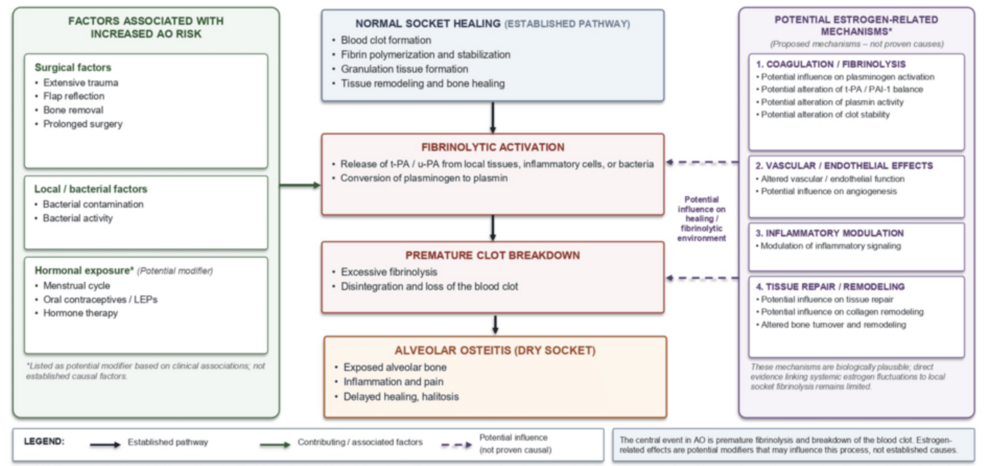
Estrogen and Dry Socket Risk: Narrative Review Synthesizes 15 Studies on Menstrual Cycle, Contraceptives, and Alveolar Osteitis After Mandibular Third Molar Extraction
Dry socket strikes up to 30% of patients after complex lower wisdom-tooth removal, compared with 1% to 5%...