
A Quiet Observance Across the Provinces
For millions of Filipino families, the annual trek to cemeteries during the first days of November is a deeply ingrained tradition, a physical manifestation of remembrance. As the dust settles on the 2026 observance of All Saints’ Day and All Souls’ Day, the reports from across the country indicate a largely peaceful transition from the holiday back to the rhythm of daily life. In Ilocos Sur, the provincial police office reported no untoward incidents, a sentiment that was echoed by authorities from Northern Mindanao to the Negros Island Region.
According to the Ilocos Sur Police Provincial Office (ISPPO), the key to this orderly observance was a combination of active police visibility and public cooperation. Personnel were deployed to manage the influx of visitors, facilitating both pedestrian and vehicular traffic to ensure that families could pay their respects without the logistical friction often associated with massive public gatherings. This focus on “Ligtas Undas 2026″—the security operation branding used by the Philippine National Police—served as the operational framework for maintaining order in cemeteries, memorial parks, and columbaria nationwide.
PRO-1 deploys 6.1K personnel; LTO conducts inspections for Undas MALASIQUI, Pangasinan – The Police Regional Office in the Ilocos Region (PRO-1) deployed 6,181 personnel across the region on Friday, while the Land Transportation Office (LTO) conducted inspections to ensure… pic.twitter.com/9UuEtsKklH
The Scale of the Migration
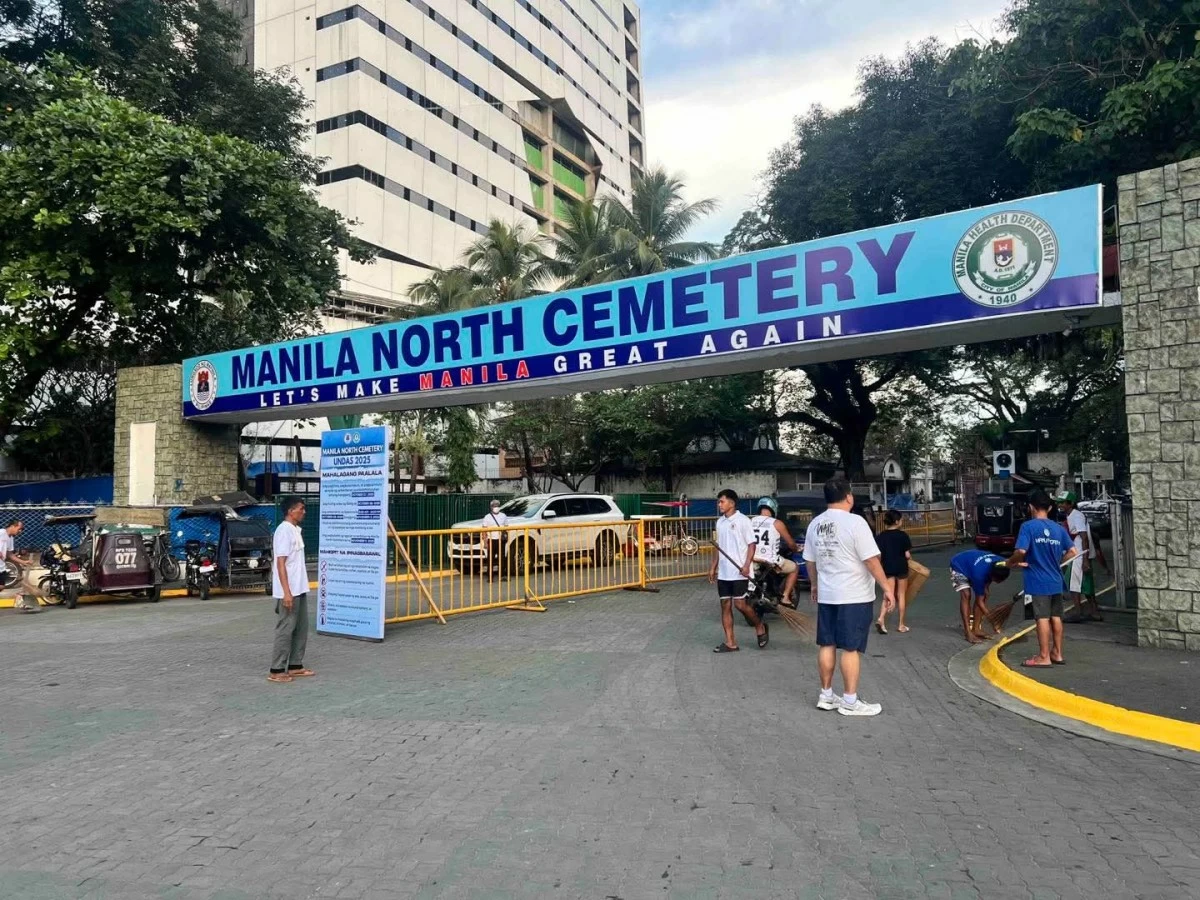
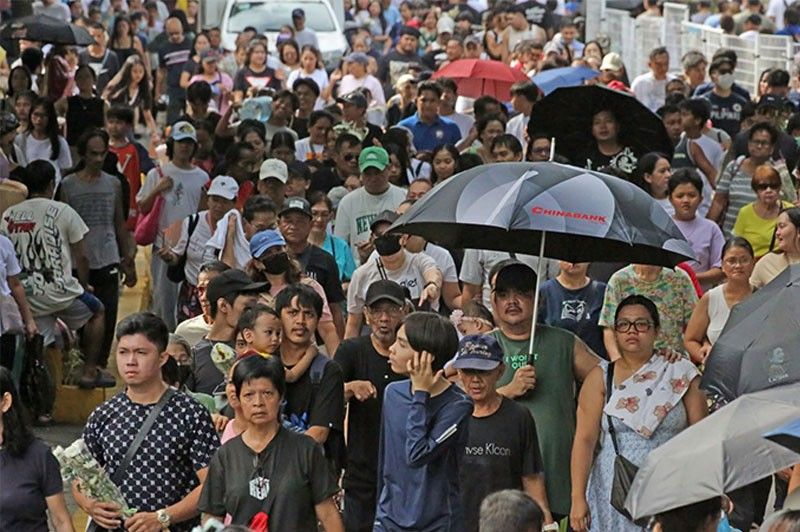
While rural areas like Ilocos Sur maintained a steady, manageable flow of visitors, the situation in the capital was marked by sheer volume. Data from the National Capital Region Police Office (NCRPO) reveals that over 2.5 million people visited Metro Manila’s resting places on November 1 alone. The Manila North Cemetery, a focal point of this annual migration, recorded immense crowds, with officials reporting that over 1.3 million people visited the site by the evening of All Saints’ Day, according to reporting from Bombo Radyo Vigan.
This scale of movement inevitably creates significant challenges for families. At the Manila North Cemetery, authorities noted that 24 children between the ages of two and 13 were temporarily separated from their parents. While this number is a stark reminder of the risks inherent in such large crowds, it represents a notable improvement from the previous year, when 80 children were reported missing at the same location. The persistent advice from police to use wrist tags or identification markers for children remains a critical, if simple, measure for public safety.
Operational Realities and Prohibited Items
Beyond crowd control, the security operations involved strict enforcement of cemetery protocols. In Northern Mindanao, the Police Regional Office-10 reported the seizure of 413 prohibited items, including cooking equipment, bladed weapons, and alcohol. These confiscations are part of a broader, long-standing effort to standardize the environment within memorial parks, moving away from the festival-like atmosphere that once characterized the observance in favor of a more solemn, orderly experience.
The effectiveness of these measures is often debated, particularly when they intersect with the personal customs of families who have traditionally treated the holiday as an extended social gathering. However, the data from the Police Regional Office-Negros Island Region suggests that these interventions are succeeding in their primary goal: preventing major security incidents. With 377,587 visitors recorded across the Negros region, the absence of major disturbances was attributed by Regional Director Brig. Gen. Rudecindo Reales to advance planning and sustained police visibility.
The Economic and Logistical Ripple Effect
The conclusion of the Undas period does not signal an immediate return to normalcy. For commuters, the days following the holiday are defined by the return migration. The Parañaque Integrated Terminal Exchange (PITX) has been at the center of this logistical challenge, projecting a surge of up to 190,000 passengers as workers return to the city. This year’s travel patterns were uniquely influenced by the upcoming 49th ASEAN Leaders Summit, which has prompted the declaration of special non-working days from November 16 to 18 in Metro Manila.
While PITX reported lower overall bookings compared to last year, the facility has seen a shift in how people travel. The increased utilization of the Light Rail Transit Line 1 (LRT-1) and a rise in motorists choosing to park at the landport to mitigate fuel costs indicate a population increasingly sensitive to the economic stakes of long-distance travel. As travelers navigate these transit hubs, the presence of representatives from the Land Transportation Office and the Metropolitan Manila Development Authority serves as a final, quiet safeguard for the holiday’s conclusion.
The relative peace of this year’s Undas, despite the millions of people in motion, suggests that the balance between public safety and the cultural necessity of remembrance is becoming increasingly refined. Whether this stability can be maintained as urban populations grow and transit demands shift remains the open question for the next cycle of the national calendar.
Worth a look

Shane Bergin Says Inclusivity and Connection Strengthen Research
Shane Bergin’s Podcast Challenges the Isolation of Modern Research In a new six-part podcast series, physicist and science...

Cambridge Scientists Detect Beauty Quarks at Zeptoverse Scale
Scientists have picked up signals from the smallest scale of nature ever explored, operating at a realm 100...

Immunosuppression Linked to Higher Blood Infection Mortality
When bloodstream infections strike patients who are immunocompromised, the danger does not just stem from ordinary bacteria. According...

Indonesian Police Refuse to Confirm Reports of General’s Detention
National Police Refuse to Confirm Officer Detentions Indonesia's National Police declined on Tuesday to confirm or deny reports...