The Vast, Unmapped Fungi Kingdom
Professional mycologists face a daunting ratio in the field. Scientists estimate there are between 2 million and 3 million fungi species worldwide, yet fewer than 10% have been documented. By contrast, botanists have mapped more than 80% of all plant species. This immense data gap persists despite fungi serving as the fundamental engine of terrestrial ecosystems.
“Without fungi, there would be no life on land,” said Noah Siegel, president of the Northeast Mycological Federation (NEMF) and a leading field mycologist in North America. “For stuff to grow, it needs fungi. For stuff to decay, it needs fungi.”
Fungi produce specialized enzymes that break down lignin, the rigid structural polymer in wood and bark. Without this decomposition, fallen timber would accumulate indefinitely across forest floors. Meanwhile, microscopic mycorrhizal fungi in the soil help plants and crops absorb water and nutrients while sequestering massive quantities of atmospheric carbon dioxide.
Public Health and the Shift Toward Conservation
Historically, public and academic focus has concentrated overwhelmingly on harmful fungi. The global fungicide market commands roughly $19 billion annually, targeting agricultural blights, home mold infestations, and human pathogens like athlete’s foot and ringworm. Fungal nomenclature has done little to bolster public sympathy, featuring colloquialisms such as the destroying angel, death cap, dead man’s fingers, and corpse finder.
To counter this lopsided perception, the Mycological Technical Committee of the Pennsylvania Biological Survey published a free, 68-page book titled The Importance of Fungi earlier this year. Jerry Hassinger, a retired wildlife biologist who chairs the committee, noted that colleges and state agencies spent decades prioritizing agricultural and medical problems while ignoring the ecological value of beneficial species.

Institutional recognition has begun to shift. In 2023, largely at Hassinger’s urging, Pennsylvania became the first state in the nation to establish a conservation mycologist position within its Natural Heritage Program. Hanna Huber, who holds that role, works to integrate fungi into state land management documents and update the commonwealth’s species lists.
“Building out the species list is a foundational item of importance,” Huber said. Without knowing resident species and their baseline populations, tracking conservation statuses remains nearly impossible.
Field Methodology and DNA Barcoding at Penn State
At the Mont Alto foray, participants meticulously documented their finds before collection. The harvested items were then brought to a sorting room on Penn State’s Mont Alto campus.

The foray’s DNA analysis costs were funded through a Wild Resource Conservation grant from the Pennsylvania Department of Conservation and Natural Resources.
In the sorting room, he pointed out several bright orange jack-o’-lantern mushrooms—frequently mistaken for edible chanterelles and recognized as a leading cause of mushroom poisoning. The Mycota Lab has logged DNA barcodes for nearly 170,000 specimens across North America to differentiate visually similar species.
Physical samples that survived the sorting process were dried and cataloged for the permanent collection at the Academy of Natural Sciences of Drexel University in Philadelphia.
Legislative Pushes and Future Outlook
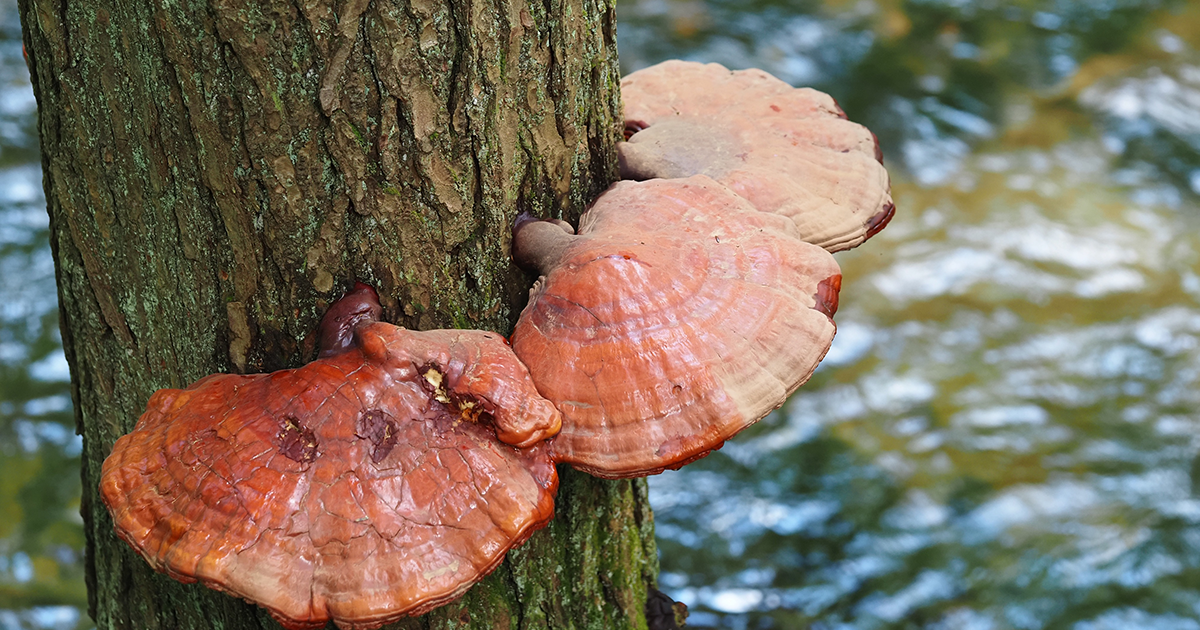
State-level recognition of fungi is expanding beyond Pennsylvania. Virginia’s General Assembly recently approved legislation establishing a task force to assess, categorize, and protect native fungi species. Meanwhile, the Pennsylvania General Assembly is considering a measure to designate the hemlock varnish shelf—a shiny, reddish-orange bracket fungus growing on Eastern hemlocks—as the official state fungus. Only eight states currently recognize an official state fungus.
Worth a look

Harness: Shaffer Equine makes a debut of sorts at Harrisburg this year – Daily Racing Form
Shaffer Equine Steps Into the Consignor Ring at Harrisburg After three decades of raising and selling yearlings in...
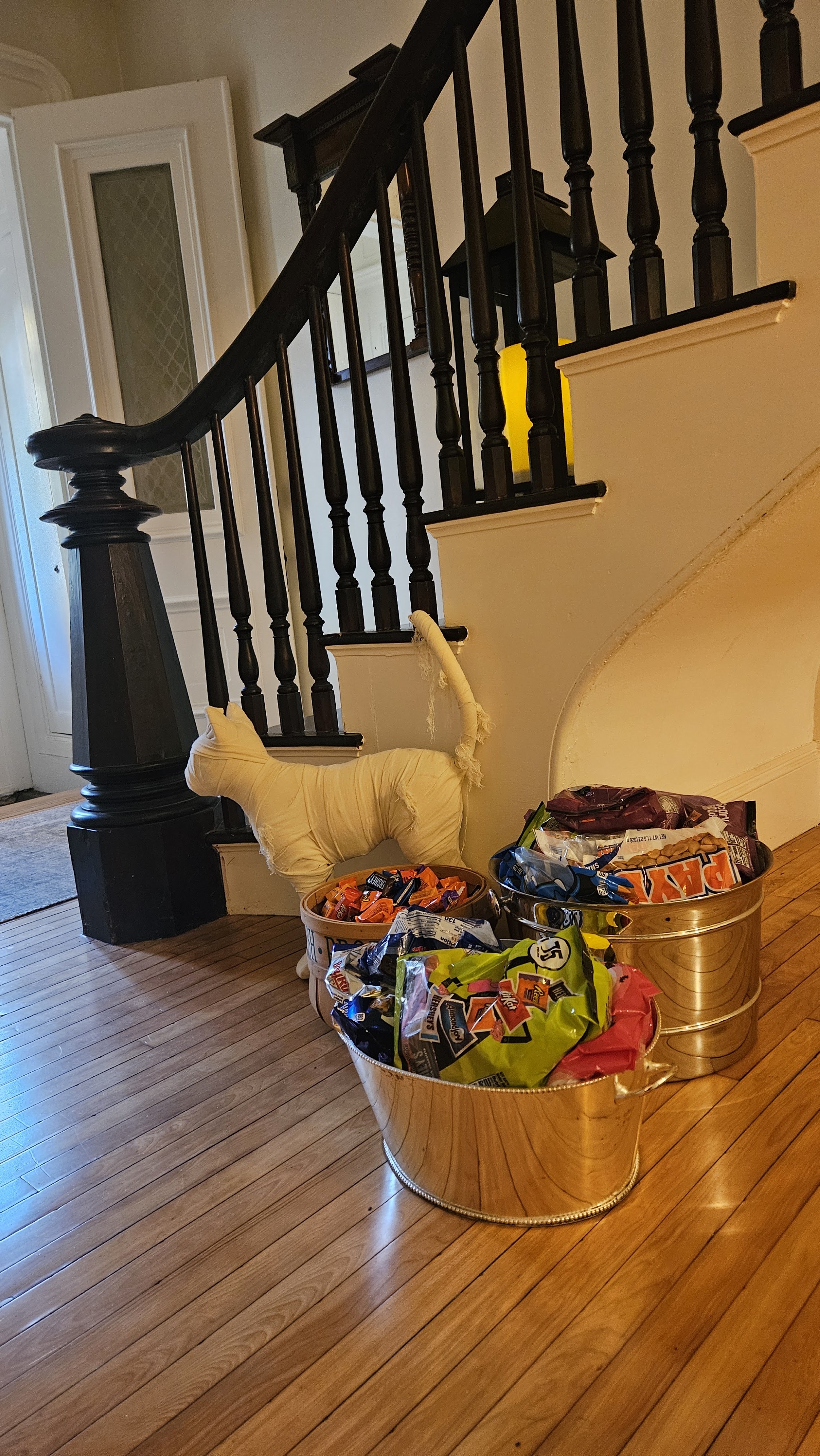
Halloween from my Salem Stoop – streetsofsalem
Salem Grapples With Record Crowds and Evolving Halloween Demographics After Marathon October In a first-person essay published on...
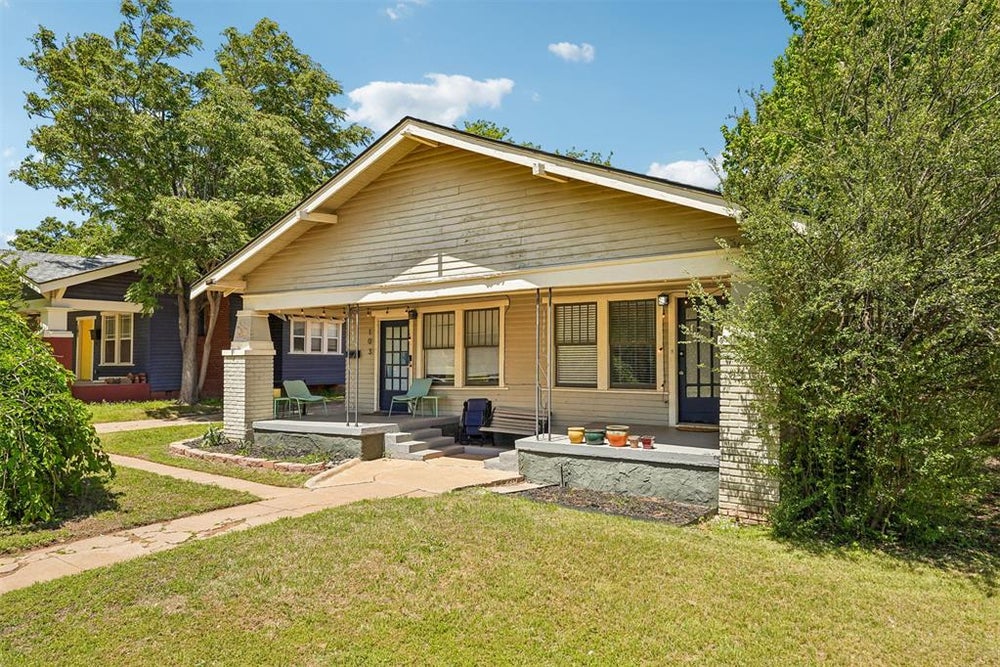
101 NW 20th Street, Oklahoma City, OK 73103 – MLS# 1256377 – Coldwell Banker
Heritage Hills Duplex Hits the Market with Multi-Use Potential A rare Art Deco bungalow-style duplex located at 101...

Michael Ray Columbus Passes Away at 60 in Kiefer, Oklahoma
Michael Ray Columbus of Kiefer, Oklahoma, passed away on May 1, 2017, at the age of 60, greenhillok.com...