Salem Grapples With Record Crowds and Evolving Halloween Demographics After Marathon October
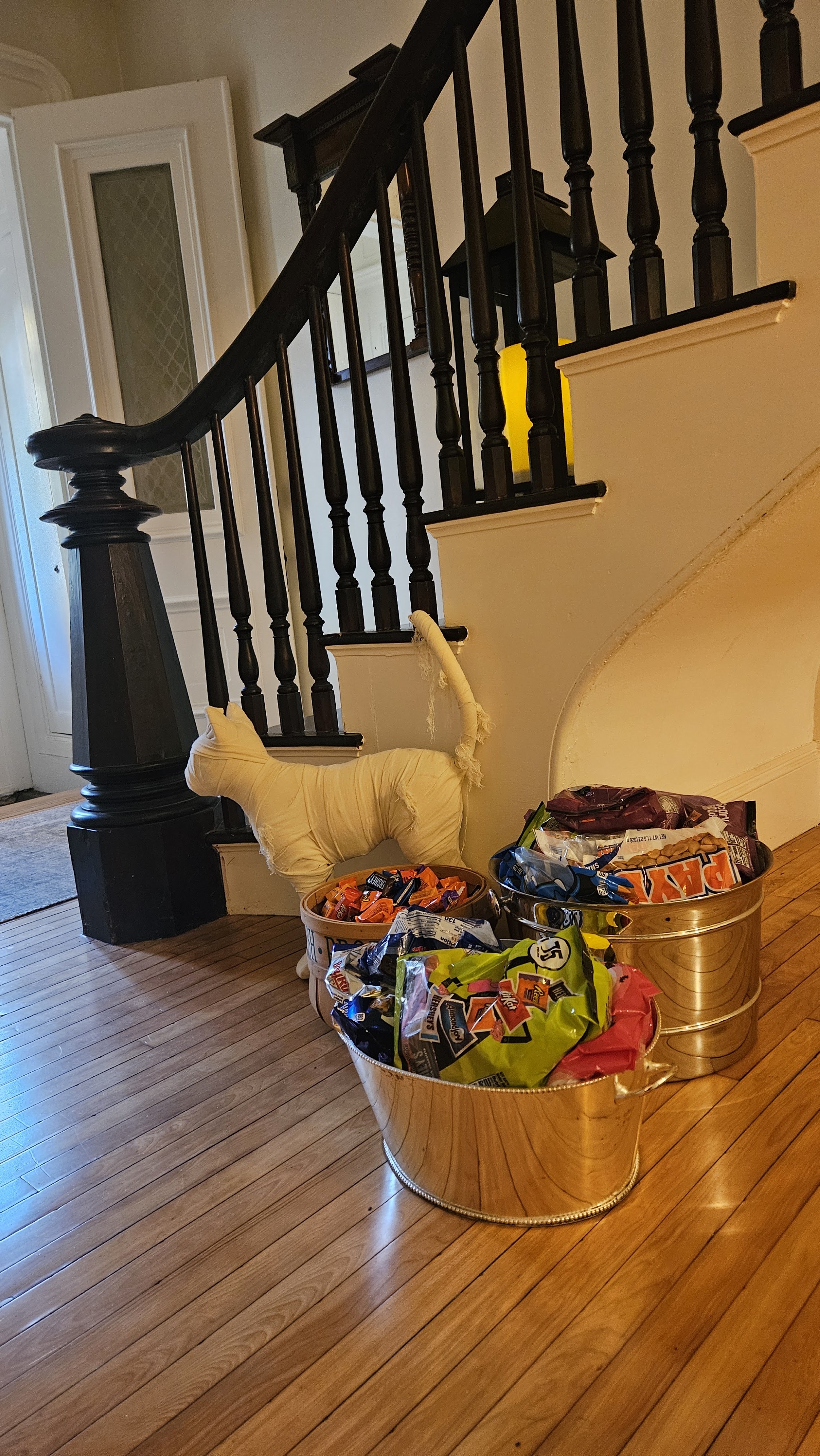
In a first-person essay published on streetsofsalem, historian and local resident Elizabeth Vimont reports that Salem’s notoriously long Halloween season has drawn to a close, marked by unprecedented crowd sizes, surging numbers of trick-or-treaters, and a shifting demographic among the nighttime revelers filling Chestnut Street. Writing on November 2, 2026, Vimont details an exhausting October capped by a Halloween night that forced her household to extinguish their porch lights by 7:20 p.m. after burning through 16 large bags of candy.
From our stoop to yours, Happy Halloween! #Halloween pic.twitter.com/qgSx3HF0nu
For a city synonymous with historical tourism, the month-long festivities bring stark operational realities. While Vimont notes that her “They were not Witches” door tag proved popular with visitors and that she enjoyed meeting architecturally focused tourists during her volunteer shifts at the historic Phillips House, the sheer volume of pedestrian traffic on October 31 tested local residents. Normally joined by her parents from York Harbor—who typically relish handing out sweets—Vimont and her husband managed the festivities this year with the help of their tenant, Jen. Despite stocking up in advance, the household completely exhausted their candy supply faster than in previous years as dense crowds lingered late into the evening.
Weighing Community Tradition Against Adult Revelry
The essay highlights a distinct cultural shift in how modern crowds experience Salem on Halloween night. While the core of the holiday remains focused on local children and families securing treats along the historic district’s pristine streetscapes, Vimont observes a notable influx of older teenagers and adults participating in the street-level celebration. Many of these older visitors sport elaborate, handcrafted costumes that showcase genuine artistic effort, prompting the resident to hand out candy bars to the adult participants despite the logistical strain.
Yet, the sheer density of the non-child demographic has sparked reconsideration for future years. Vimont indicates she is weighing a deliberate policy adjustment for next October: cutting off candy distribution to teens and adults to better manage the overwhelming volume of visitors. It is an administrative and practical friction point familiar to historic residential districts that double as major entertainment hubs, balancing civic hospitality against neighborhood capacity.
Beyond the crowds, the essay reflects on the disconnect between Salem’s actual historical identity and the commercialized, multi-week autumn celebration that draws travelers from across the region. Despite questioning the celebratory narrative built around the town’s grim history—a cognitive dissonance she admits she may never fully resolve—Vimont maintains an affection for the energy of the night itself. With the motion-setting cameras finally quieted and the November calm settling over Chestnut Street, Salem’s residents are left to catch their breath until the next cycle begins.
Related reading

Walmart CEO John Furner pledges no dynamic pricing
Walmart’s Digital Shelf Pivot and the New Economics of the Grocery Aisle Walmart has publicly pledged to move...
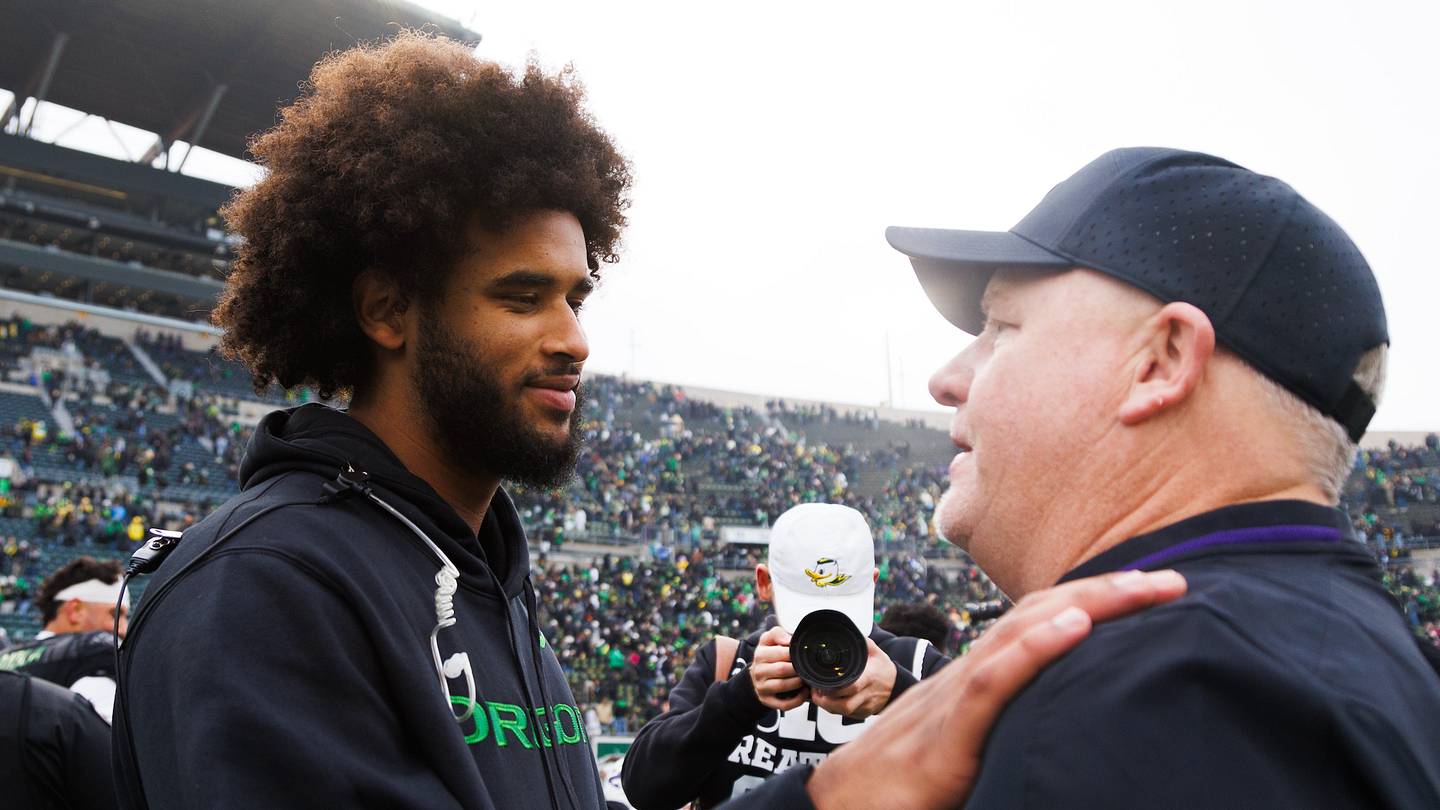
Three Things You Didn’t See on TV During Oregon’s Win Over Northwestern
Oregon Overcomes a 20-6 Deficit Against Northwestern in a 34-26 Halloween Thriller at Autzen Stadium A thick layer...

How to Watch Oklahoma vs. Florida – Sports Illustrated
The Oklahoma Sooners will travel to Gainesville, Florida, to face the Florida Gators on November 7 at Ben...

Community drives Journal’s commitment to Lobo basketball coverage – Yahoo Sports
As the University of New Mexico Lobo basketball season tips off, the Albuquerque Journal remains an outlier in...