
Veterinary teams at the Oregon Zoo are fighting to save a young Asian elephant calf named Tula-Tu, who has contracted a rapidly progressing and frequently fatal affliction known as elephant endotheliotropic herpesvirus, or EEHV. OPB reported that the calf’s care staff first flagged subtle shifts in her energy and behavior on October 24, prompting immediate medical intervention before laboratory tests could even confirm the diagnosis.
The stakes for the facility are intensely personal. Another of Tula-Rose’s calves, named Lily, succumbed to EEHV in 2018 shortly before turning six years old. For young Asian elephants experiencing declining maternal antibodies, typically between the ages of one and eight, the virus can turn deadly within a matter of days.
Rapid Response Triggers Advanced Medical Protocols
According to updates shared by the Oregon Zoo, the veterinary staff jumped into action the moment behavioral changes were noted. Technicians trained in in-house blood monitoring quickly identified a low white-cell count, allowing doctors to administer antiviral medications immediately. The molecular lab at the Oregon Veterinary Diagnostic Laboratory at Oregon State University confirmed an elevated viral load of EEHV the following day, which triggered advanced treatment protocols including plasma transfusions.
Narrow Margins and Cautious Medical Optimism
Dr. Carlos Sanchez, the Oregon Zoo’s director of animal health, emphasized the narrow margins for error when dealing with the pathogen. Early detection is critical,
Sanchez said, pointing out that the calf has remained stable throughout her care.

The combination of stable viral loads, normal platelet counts and improving white cell counts suggests a favorable trajectory. She’s not out of the woods yet, but these findings provide grounds for cautious optimism. Diagnostics and treatment for this disease have advanced so much over the past few years. Every hour of stability brings her one step closer to recovery.
Sanchez also serves as chair of the North American EEHV Advisory Group Research Committee, lending additional institutional weight to the ongoing management of the crisis.
Experimental Vaccine History and Variant Complications
What makes Tula-Tu’s case particularly significant for researchers is her medical history. Earlier this year, she became the first elephant on the West Coast to receive an experimental mRNA vaccine aimed at protecting against EEHV-1A, which is the most common strain of the virus.
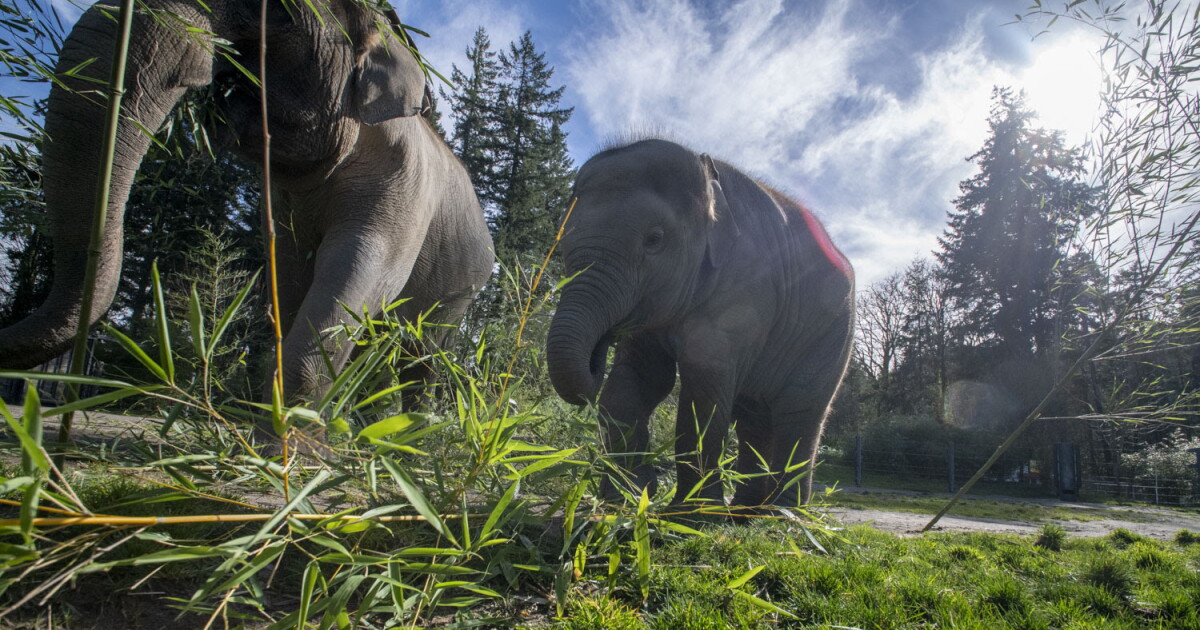
However, lab results revealed that Tula-Tu’s current infection stems from a different, related strain known as EEHV-1B. While EEHV-1B accounts for fewer reported fatal infections, both variants pose severe risks to young Asian elephants. Medical staff note that it remains entirely unknown whether the EEHV-1A vaccine provides cross-protection against the -1B variant.
Global Research Partnership and Future Implications
To help answer that question, Tula-Tu’s blood samples are being utilized for further study in an ongoing partnership between Oregon State University and Baylor University. EEHV exists as a latent virus in nearly all Asian elephants in both the wild and human care, and researchers hope data from this treatment cycle will help protect future calves globally.
Worth a look
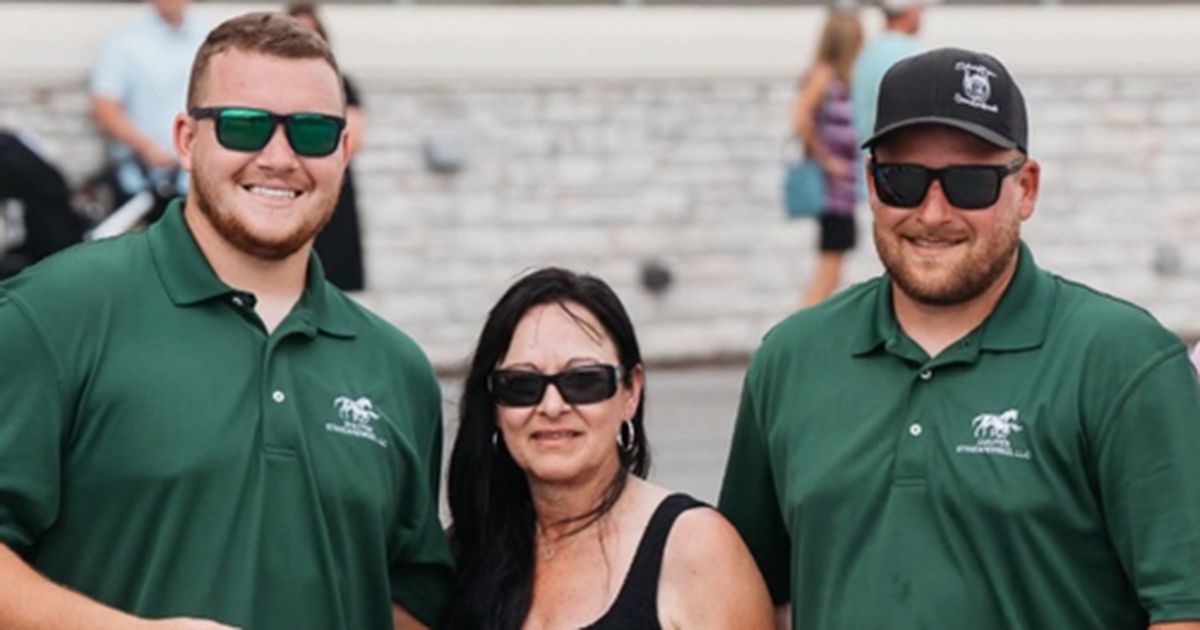
Harness: Shaffer Equine makes a debut of sorts at Harrisburg this year – Daily Racing Form
Shaffer Equine Steps Into the Consignor Ring at Harrisburg After three decades of raising and selling yearlings in...
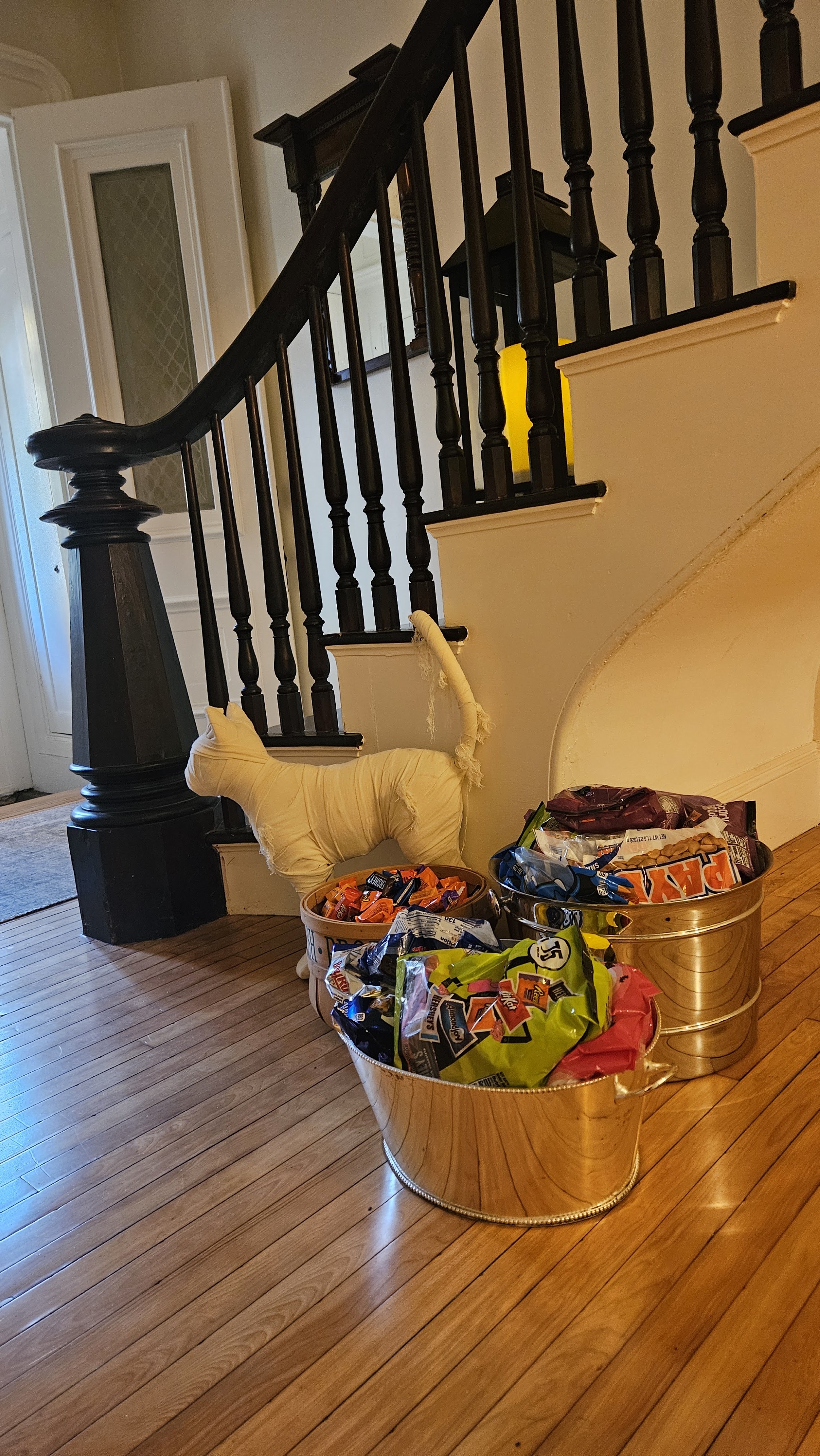
Halloween from my Salem Stoop – streetsofsalem
Salem Grapples With Record Crowds and Evolving Halloween Demographics After Marathon October In a first-person essay published on...

101 NW 20th Street, Oklahoma City, OK 73103 – MLS# 1256377 – Coldwell Banker
Heritage Hills Duplex Hits the Market with Multi-Use Potential A rare Art Deco bungalow-style duplex located at 101...

Michael Ray Columbus Passes Away at 60 in Kiefer, Oklahoma
Michael Ray Columbus of Kiefer, Oklahoma, passed away on May 1, 2017, at the age of 60, greenhillok.com...