
Forty-seven artists and collectives fill the fifth edition of Greater New York at MoMA PS1, a survey delayed a year by the pandemic and now stretched across generations from 1901 to 1992.
Ahmed Morsi, born in Alexandria in 1930, anchors the show’s oldest pole. His paintings and drawings, rarely shown in New York until now, sit beside work by Paulina Peavy, born at the turn of the last century, and Kristi Cavataro, who turned thirty-two this year.
The exhibition opens up geographic and historical boundaries by expanding familiar narratives around artists and art movements in New York, the museum said. It links documentary and archival methods with surrealism and fabulation, examining how artists record experiences of belonging and estrangement.
“The resilience of artists and artist communities in the city” is the foreground, the curatorial team wrote, while marking ways these artists have both profoundly shaped New York and borne witness to its many transformations.
Ahmed Morsi is among the artists featured in Greater New York at MoMA PS1.
Diane Burns, a Chemehuevi and Anishinaabe poet who died in 2006, appears through video of her 1980s performances at the Nuyorican Poets Cafe. Hiram Maristany, the official photographer of the Young Lords Party, died in 2022; his street-level portraits of El Barrio in the 1970s hang near Marilyn Nance’s documentation of African diasporic spiritual communities.
BlackMass Publishing, founded in 2018, presents a reading room of independent Black zines and artists’ books. Las Nietas de Nonó, the Puerto Rican sister collective founded in 2011, installs a multimedia environment addressing environmental toxicity in San Juan and the Bronx.
Rotimi Fani-Kayode, who died of AIDS complications in 1989 at thirty-three, is represented by large-format photographs that re-stage Yoruba ritual through a queer Black lens. Nicolas Moufarrege, dead at thirty-eight in 1985, embroidered painted fabrics that fused Islamic pattern, art-history citation, and camp humor.
Milford Graves, the avant-garde percussionist and herbalist who died in 2021, occupies a gallery with his hand-painted drum kits and botanical sculptures. G. Peter Jemison, a Seneca artist and former historic site manager for Ganondagan, shows paper bags painted with treaty texts and wampum belts.
Carolyn Lazard’s video “Extended Stay” (2019) loops the view from a hospital bed, timed to the rhythm of IV drips. Emilie Louise Gossiaux, blind since a 2010 accident, exhibits ceramic sculptures guided by her guide dog London and a tactile drawing practice.
Andy Robert paints his Brooklyn neighbors in domestic interiors thick with pattern and art-history echoes. Raque Ford bends fluorescent light tubes into handwritten texts that read like diary entries. Sean-Kierre Lyons constructs mythological figurines from polymer clay and found materials.
MoMA PS1 was founded in 1971 by Alanna Heiss as the Institute for Art and Urban Resources Inc. In 1976, Heiss opened the P.S. 1 Contemporary Art Center in a deserted Romanesque Revival public school building dating from 1892, which served as Long Island City’s first school until 1963.
The institution formalized its affiliation with the Museum of Modern Art in January 2000 and adopted the name MoMA PS1 in 2010 to mark the merger’s 10th anniversary.
The show runs through April 2023 at MoMA PS1, 22-25 Jackson Avenue, Long Island City.
Related reading

Gov. Hochul: MTA Hits 200 Stations With Platform Barriers; Safety Satisfaction up ~10 Points
Subway safety satisfaction has climbed roughly 10 percentage points since the MTA started installing platform barriers in January...
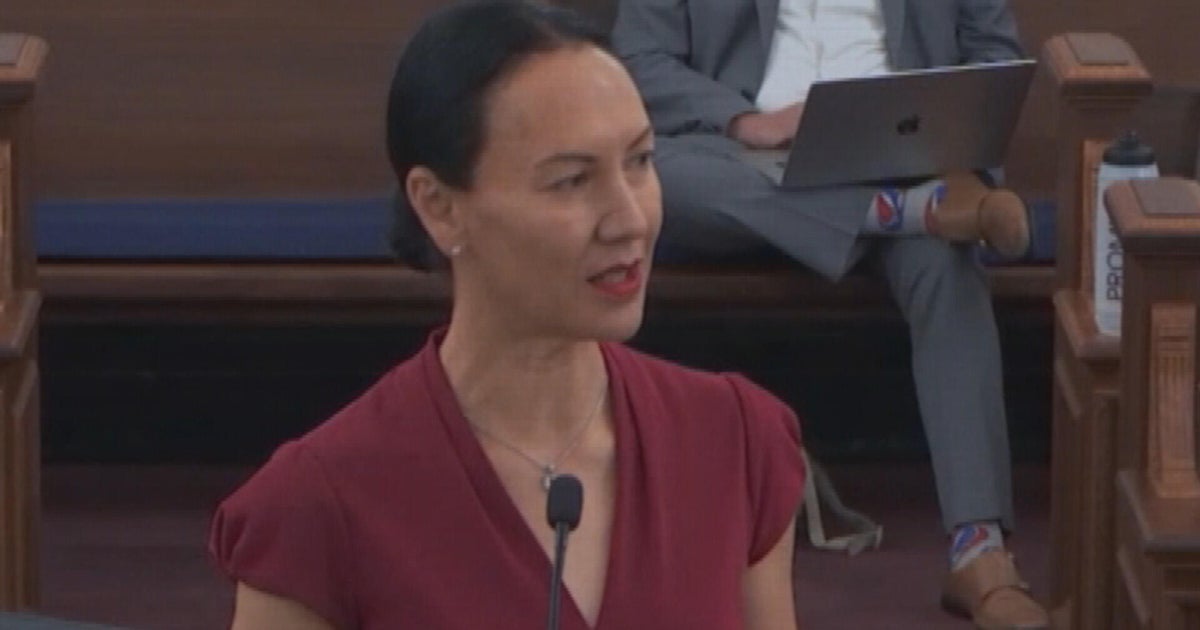
Denver City Attorney Miko Brown Initially Denied, Then Acknowledged Staying at Law Firm President’s Home
"Information is being hidden from us, which means it's being hidden from the people of the city," Councilwoman...
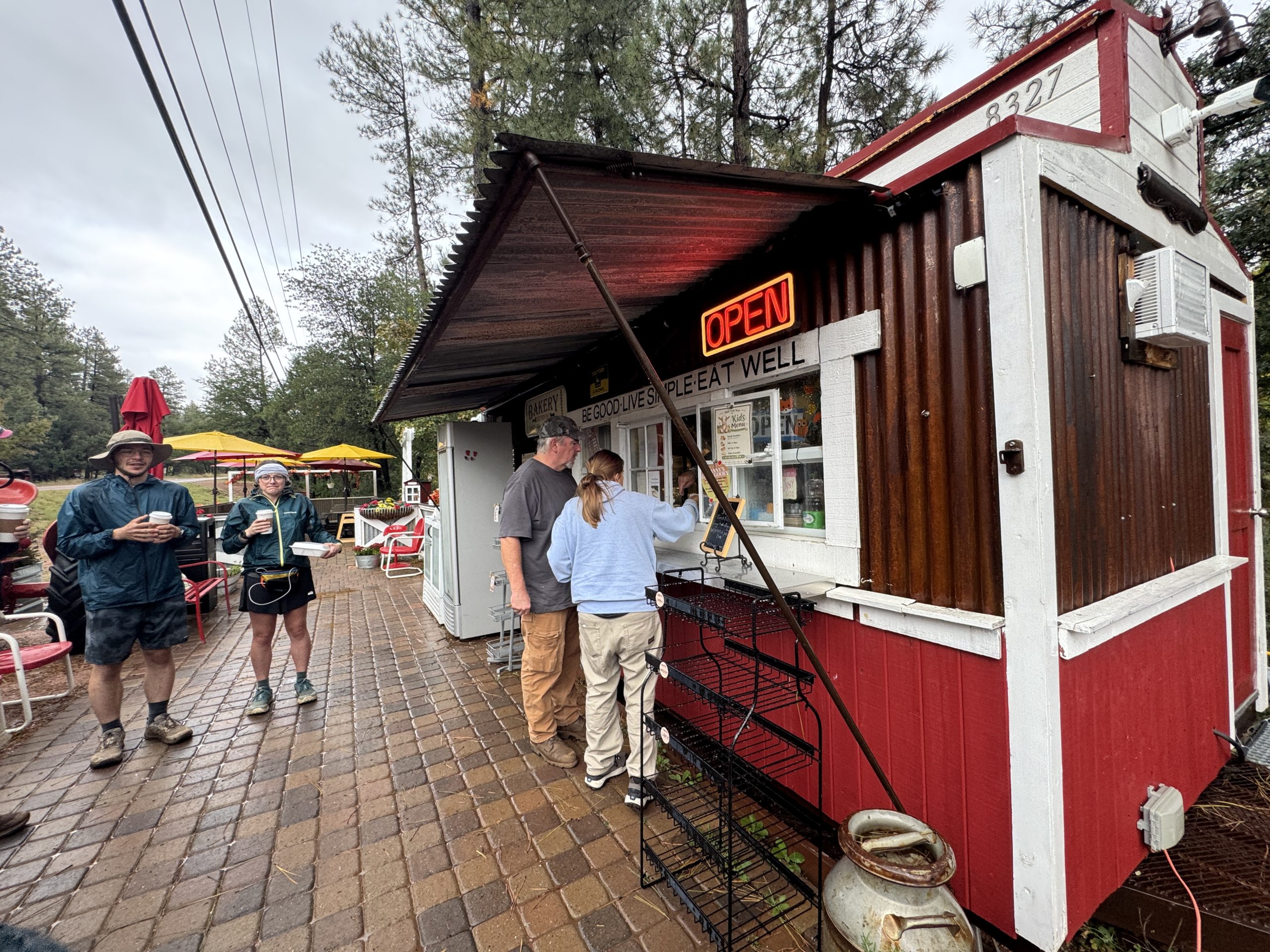
Trail Journal: Zero Days in Strawberry Amid Rain and Flash Flooding
In a trail journal entry for The Trek, a long-distance hiker describes spending rest days in Strawberry, Arizona,...

Stevens Beats UMass Boston 3-1 Behind Sturt’s Fourth-Set Serving Run
The match turned decisively in the fourth set, where Stevens ripped off a 5-0 run behind the serve...