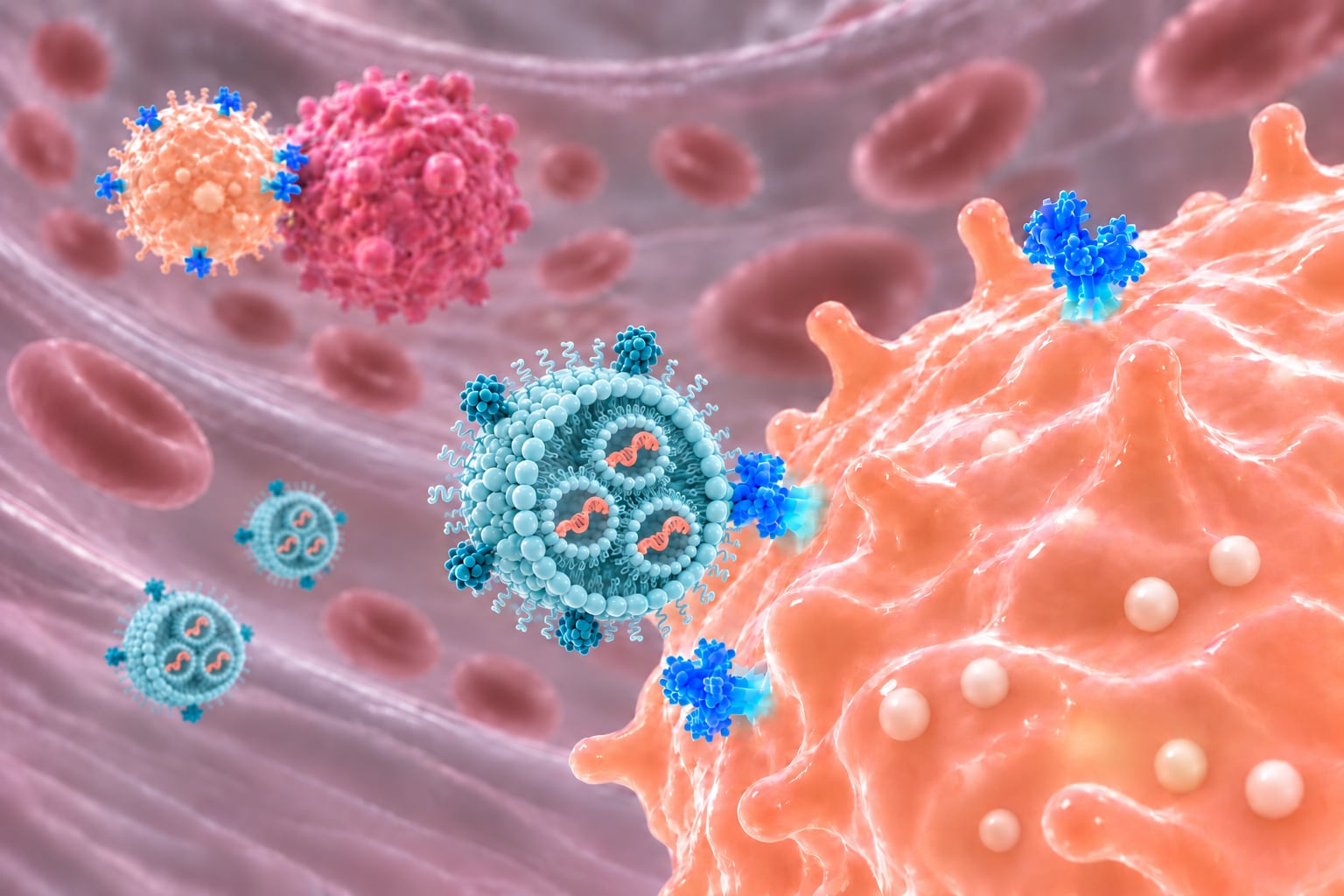
Researchers at Cold Spring Harbor Laboratory and the Massachusetts Institute of Technology have discovered that the lipid-sensing transcription factor PPARδ, which can drive tumor growth when active in cancer cells, enhances the metabolic fitness of immune cells to fight tumors and autoimmune diseases when activated within the immune compartment.
In the microscopic economy of a tumor, cancer cells and immune cells battle for the same scarce resources. New research published in Nature Immunology reveals that a key molecular switch can flip the outcome of that battle by altering what immune cells consume.
Cold Spring Harbor Laboratory Findings on PPARδ Activation
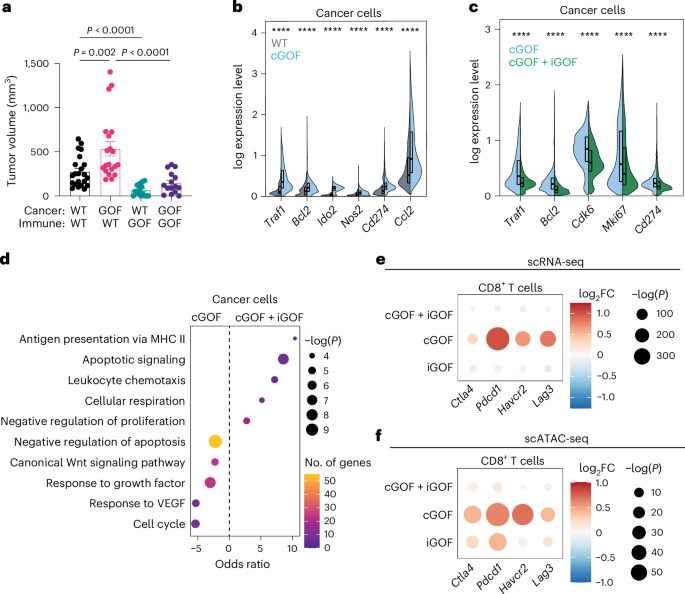
Led by CSHL Assistant Professor Semir Beyaz, researchers investigated transcription factor PPARD to understand why patient outcomes depend so heavily on cellular fitness. While cancer cells exploit this pathway to expand, forcing the same activity inside the immune system transforms a pro-cancer landscape into an anti-cancer arena. We hypothesized that the fitness determinants of cancer and our immune cells may not be so different,
Beyaz explained, adding that both cell types follow the same chemical rules.
To test this metabolic shift, the CSHL team activated PPARD in synthetic chimeric antigen receptor T cells, known as CAR T cells. When tested on patient-derived organoids, human cancer cells in dishes, and implanted mouse models, those empowered CAR T cells successfully slowed or halted tumor growth. The researchers validated their results across multiple aggressive malignancies, including breast cancer and melanoma, noting that the findings represent only the tip of the iceberg for improving immunotherapies.
MIT Nanoparticle Delivery and Natural Killer Cell Reprogramming
While the CSHL team focused on genetic and pharmacological approaches, engineers at the Massachusetts Institute of Technology pursued an in vivo delivery method to bypass the time and expense of manufacturing engineered immune cells outside the body. MIT engineers used lipid nanoparticles to deliver messenger RNA directly to natural killer (NK) immune cells.
These engineered lipid nanoparticles carry mRNA molecules that encode chimeric antigen receptors, programming the patient’s own NK cells to seek out and destroy dysfunctional T cells. Using NK cells instead of CAR T cells avoids a major clinical hurdle: when researchers engineer T cells to target other T cells, the engineered cells often attack each other. NK cells do not suffer from this drawback, making them effective against both T-cell malignancies and autoimmune conditions.
When infused into mice, the lipid nanoparticles successfully reprogrammed about 80 percent of the targeted NK cells. In tests involving an aggressive melanoma model, three out of five treated mice achieved complete remission. Similar success appeared in humanized mouse models of T-cell lymphoma, where tumors were eradicated after five injections, and in mice with autoimmune hepatitis, where a single injection cleared autoreactive T cells and healed liver damage.
Immune Cells Deplete Tumor Fatty Acids
At a molecular level, the metabolic reprogramming driven by PPARδ relies heavily on carnitine palmitoyltransferase 1a (Cpt1a), which is the rate-limiting enzyme responsible for shuttling fatty acids into mitochondria for oxidation. Mass spectrometry imaging confirmed that empowered immune cells actively deplete fatty acids such as palmitic, palmitoleic, and oleic acid from the tumor microenvironment, effectively starving cancer cells of essential nutrients while fueling their own attack.
These metabolic enhancements also improved treatment responses in difficult models. In mice bearing established AKPS colorectal tumors, combining adoptively transferred CD8+ T cells with anti-PD-1 checkpoint blockade shrank tumors and reduced metastasis so severely that half of the recipient mice completely rejected their tumors. Furthermore, CSHL researchers are already expanding this metabolic approach toward endometriosis, a chronic inflammatory disease that affects one in ten women and currently lacks effective treatments.
Worth a look

Salk Institute Finds SRF3 Protein Restores Plant Iron Balance
Researchers at the Salk Institute discovered on October 14, 2026, that the plant protein SRF3 repairs cellular iron...

Vatican announces Pope Leo XIV has lung cancer after successful surgery
Pope Leo XIV underwent successful surgery at Rome’s Gemelli Hospital to remove a cancerous nodule from his right...

Max Planck Researchers Discover How Sequence Changes Prevent mRNA Errors
Researchers at the Max Planck Institute for Multidisciplinary Sciences discovered why ribosomes slip when reading modified mRNA and...

Johns Hopkins Engineers Develop Millirobots to Treat Heart Infections
Engineers at Johns Hopkins University have developed a pair of magnetic millirobots designed to travel through the body...