
Nial O’Reilly, a PhD researcher at the University of Galway, is investigating why colorectal cancer cells evade immunotherapy by deploying sugar molecules called sialic acids as an invisibility cloak.
Inside the Lambe Institute Laboratory
Working at the Lambe Institute for Translational Research, O’Reilly focuses on genetic engineering approaches to understand how these sugar molecules interact with and essentially turn off host immune cells. Colorectal cancer, which encompasses colon, rectal, and bowel cancer, stands as the second leading cause of cancer death worldwide. In Ireland alone, approximately 2,562 people develop the disease each year. While immunotherapies have transformed outcomes for patients facing melanoma and lung cancer, they have historically yielded limited benefits for the majority of bowel cancer patients.
O’Reilly’s project aims to identify the specific genes and proteins responsible for producing sialic acids. By targeting these elements, researchers hope to strip away the cellular camouflage, allowing the body’s immune cells to recognize and attack tumors. His research is supported by a €140,000 grant from Breakthrough Cancer Research, a charity backing projects targeted at cancers with persistently poor outcomes.
Rising Diagnoses in Younger Patients
The urgency of uncovering new treatment pathways is underscored by shifting demographic trends. Rates of colorectal cancer in adults under 50 have nearly doubled over the 25-year period leading up to 2019, with roughly one in 10 individuals diagnosed before reaching age 50. The Marie Keating Foundation’s support group for late-stage cancer patients has documented a notable surge in younger adults registering after receiving late-stage diagnoses.
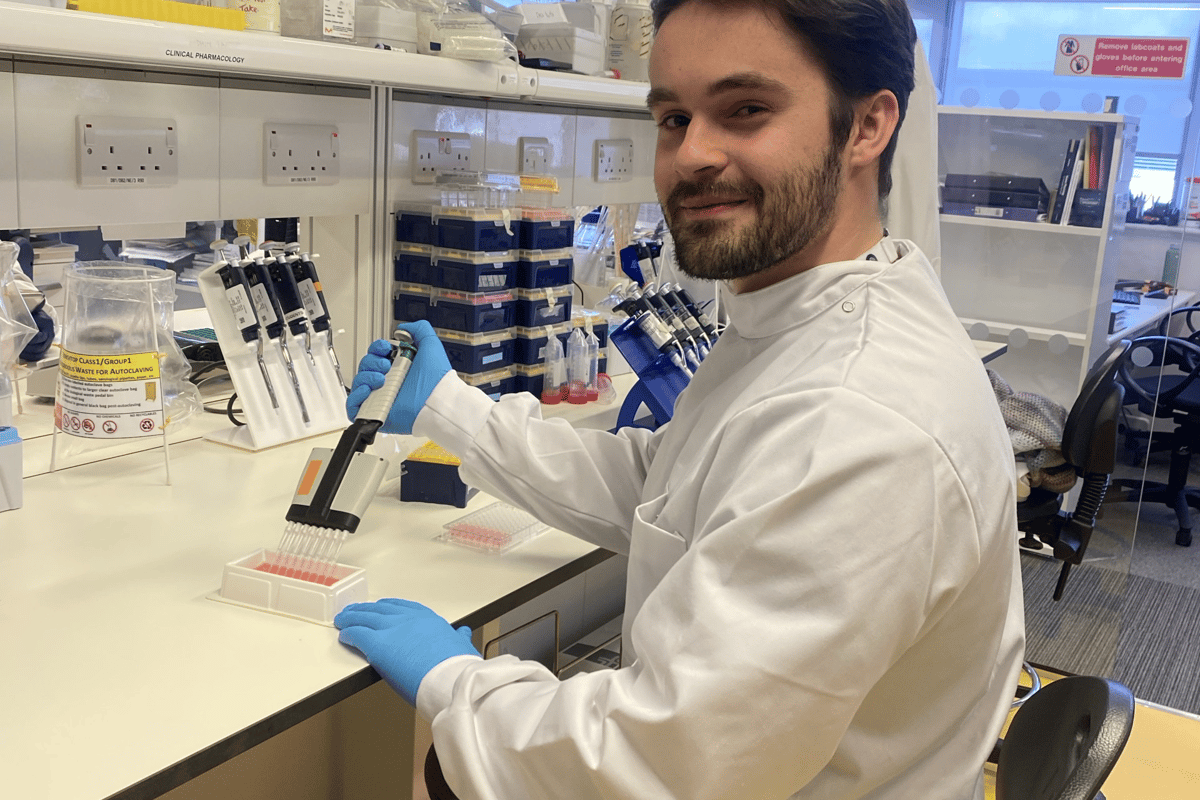
O’Reilly’s academic journey began after his relocation from Lyon, France, in 2020—where his Irish parents had emigrated—to study genetics and genomics at the University of Galway. His doctoral work in Pharmacology and Therapeutics is supervised by Dr. Aideen Ryan, Professor in Tumour Immunology at the University of Galway.
By uncovering how these cells influence the immune response, we hope to take an important step towards developing new treatments that can be combined with existing immunotherapies, strengthening the body’s ability to fight bowel cancer and giving patients more options in the future.
Keep reading

Cape Canaveral in its “boom cycle” of launches
SpaceX has paused Florida Falcon 9 launches for at least six weeks following an Oct.

Turtle returns to sea after 22 years at Kerry aquarium – RTE.ie
After spending twenty-two years living in a shark tank at the Dingle Oceanworld Aquarium, a loggerhead sea turtle...

COVID and Flu outbreaks at UHG putting pressure on bed availability – Galway Daily
University Hospital Galway Manages COVID and Flu Outbreaks Amid Severe Bed Shortages The Emergency Department remains exceptionally busy,...

Mindanao posts largest gain in credit perception – BusinessWorld
Mindanao Posts Largest Credit Perception Gains as National Index Hits New High When TransUnion launched its annual Credit...