
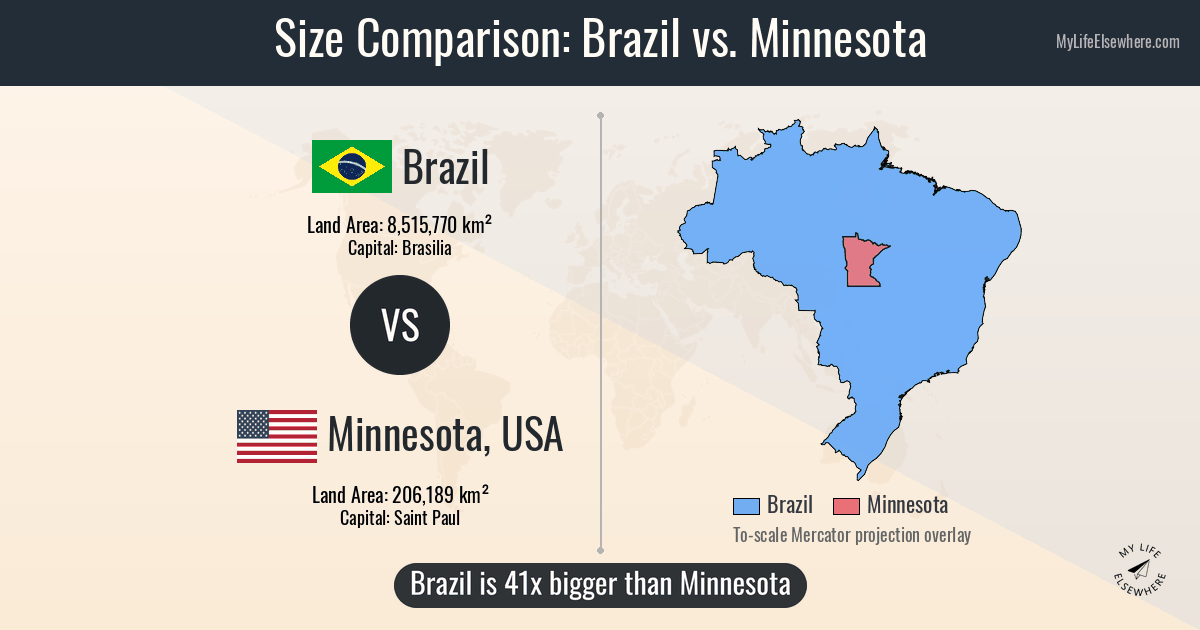
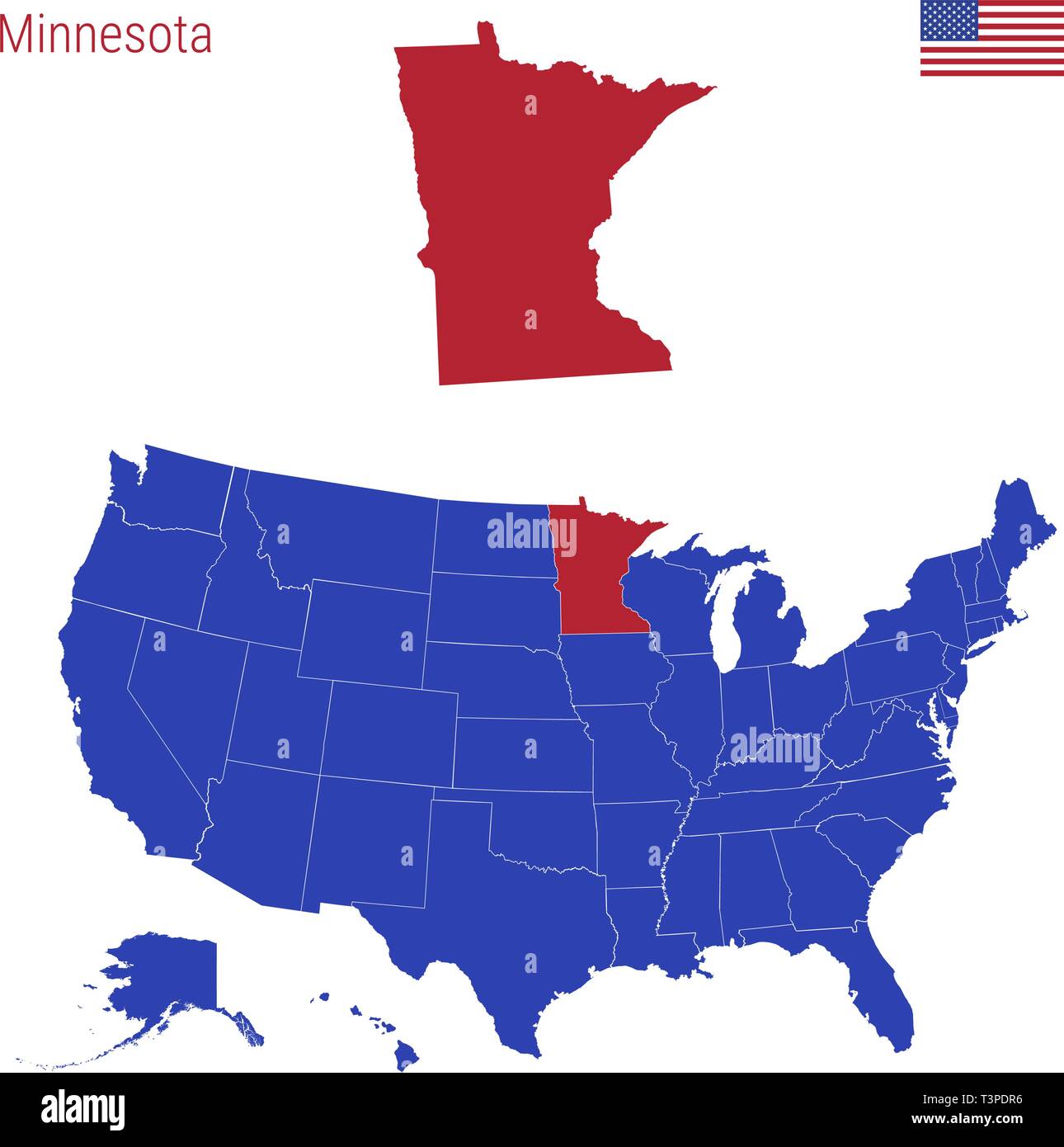
Black community leaders in Minnesota and Brazil are warning that a global surge in right-wing nationalism is targeting the same social safety nets and democratic norms, requiring a coordinated, well-funded response to protect marginalized populations. During a broadcast of The Conversation with Al McFarlane on October 20, organizers and analysts argued that the political struggles in the American Midwest are mirrored in South America, specifically noting how movements like MAGA in the U.S. and the Bolsonaro movement in Brazil operate as allied forces to dismantle public benefits.
The Parallel Rise of Global Extremism
Yoji Senna, joining the discussion from Bahia, Brazil, described a climate of apprehension surrounding the October 25 runoff election. Senna pointed to the candidacy of Jair Bolsonaro’s son as a flashpoint for a movement that seeks to slash essential social benefits. In Brazil, these stakes include the 13th-month salary for workers and free public transportation for those over 60.
Senna specifically highlighted the SUS, Brazil’s public health system, as a global example of accessible care that now faces threats from the right-wing movement. This pattern of targeting the vulnerable is not unique to Brazil. Justin Terrell of the Minnesota Justice Research Center recalled a 2014 fellowship in the former Soviet bloc, where he witnessed a neo-Nazi march in Sofia, Bulgaria. That experience served as an early warning for Terrell that the United States was facing a broader, international trend of nationalism.
“I believe it’s probably our generation’s job to actually put an end to that conversation and start reimagining what this country’s greatness could actually be.” — Justin Terrell
While the threats are global, Terrell sees a reason for optimism in the current generation. He pointed to the efficacy of violence-intervention work and the influence of community mentors—the “aunties and uncles”—who are shaping young people with a higher character than what he observed in the 1990s.
The Financial Gap in Grassroots Organizing
Organizing is the primary tool for resistance, but Anika Robbins argues that passion alone is insufficient. Robbins, who cultivates leadership in Duluth, St. Cloud, and the North Side of Minneapolis, emphasized that true “self-actualization” and freedom require a strategic, long-term vision backed by actual capital.
Robbins noted that “turf” and disputes over “whose lane is which” can hinder progress on the North Side. However, she maintains that Black communities must move in an organized fashion even when they disagree on the specifics of the path forward. The most pressing hurdle, she argues, is the need for independent funding.
Robbins is clear that whether communities stay within the Democratic Party or move toward democratic socialism, they cannot rely on external benevolence. Organizers have families to support, and movements require a sustainable financial base to survive beyond a single election cycle.
Challenging the Democratic Status Quo
Community elder Bill English offered a blunt assessment of the relationship between Black voters and the Democratic Party, suggesting that the party often takes these voters for granted because they aren’t challenged with “hard questions.” English linked the current push against immigrants to a broader history of colonialism, reminding listeners that the United States was built on immigration.
To combat this, English and Robbins have focused on aggressive voter turnout. English praised Robbins’ efforts to mobilize voters in Rochester, Duluth, and St. Cloud, noting that they have reached out to churches, fraternities, and sororities to fund this work. He posed a simple mathematical challenge to the community: the immense impact that would occur if every Black person in the Twin Cities contributed just two dollars to support local organizing.
The immediate practical application of this philosophy took place on October 24, when the Minnesota Justice Research Center hosted a nonpartisan democracy fair at the Sabathani Community Center. The event provided residents with ballot information and transportation to the polls, shifting the focus from high-level theory to the mechanical act of voting. The center also focused its canvassing efforts in Heritage Park and Rondo, reminding residents that the judges, sheriffs, and prosecutors who govern the criminal legal system are elected positions.
The overarching conclusion from the dialogue is that the fight for civic stability is no longer local. As Al McFarlane noted in closing, the issues facing a voter in Minneapolis are fundamentally the same as those facing a citizen in Bahia. The only difference is the geography; the mechanism of the struggle remains the same.
Worth a look

New book by Anand Giridharadas reexamines Jordan Neely’s killing
When Daniel Penny stepped onto a New York City subway car and placed Jordan Neely in a fatal...

Raa’jiem Coleman and Marcel Perry convicted in Shanita Thomas death
"No verdict, no sentence, and no amount of justice could bring her back." Those words, shared by a...
John Christopher Ortega Obituary (1973-2026): Las Vegas, NM Funeral Services
Remembering John Christopher Ortega John Christopher Ortega, a musician, devoted father, and familiar presence in both Las Vegas...

Canadian Man Sentenced in $13M Crypto Support Scam
Trenton Johnston, a 20-year-old Canadian involved in a cryptocurrency laundering scheme that drained more than $13 million from...