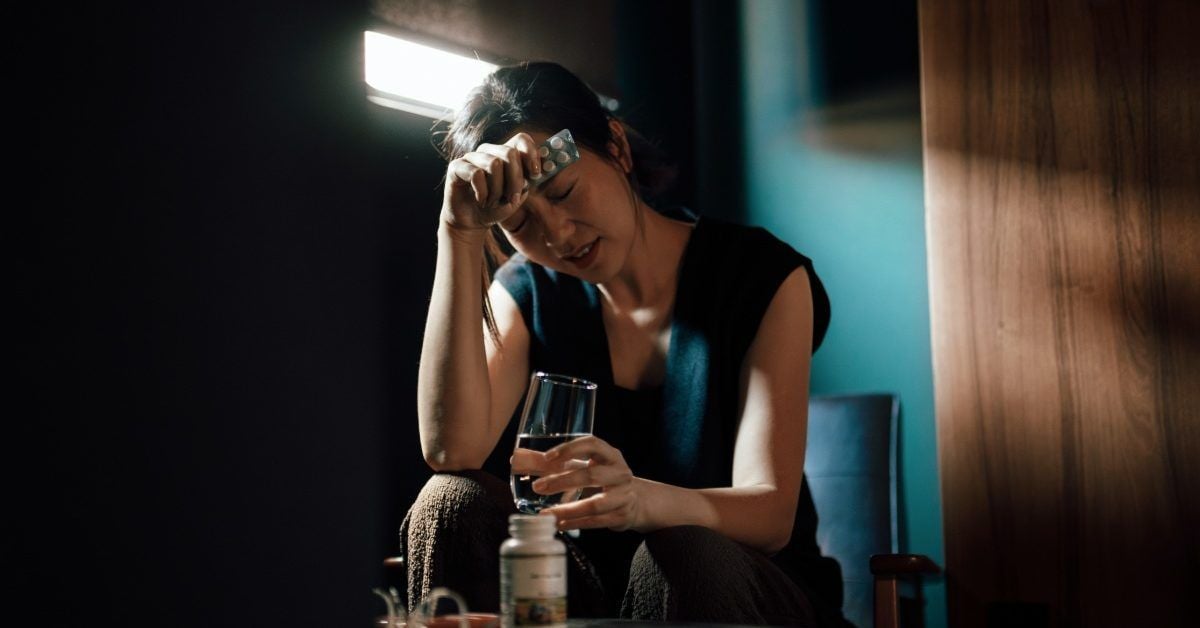
A global study published in Nature Medicine reveals that women consistently report higher pain prevalence than men across all 11 anatomical areas examined, with the steepest increases occurring before age 55. The analysis spans more than 6.1 million participants across 118 countries and territories.
Global Analysis Reveals Lifespan Pain Patterns Across 118 Countries
Body pain has long been treated primarily as an accompaniment to older age. New data published in Nature Medicine challenges that assumption by mapping self-reported pain across the human lifespan. Researchers analyzed data from 6,125,459 individuals spanning 118 countries and territories, utilizing 902 population-based datasets collected between 1990 and 2025.

The study tracks pain across 11 anatomical sites: the head, face, neck and shoulder area, hand and wrist area, elbows, foot and ankle sites, knees, chest, back, abdominal area, and hips. While back pain emerged as the most commonly reported complaint—affecting 40 percent of participants—different regions followed distinct trajectories. Conditions affecting the back, hips, and knees climbed steadily with age, whereas neck, shoulder, and elbow pain peaked around midlife before declining.
Across all studied populations, the most rapid escalation in musculoskeletal pain occurred early in adulthood, between the ages of 20 and 55. Broader measures showed that any bodily pain increased progressively from about 30 percent at age five to 70 percent among individuals aged 100 and older. However, high-intensity pain—defined as an average score of seven or higher on a 10-point scale—peaked around age 50, while generalized pain matching fibromyalgia spatial criteria peaked around age 70.
Disparities Between Women and Men Across Every Anatomical Site
The analysis documents a persistent demographic divide. Women reported a higher prevalence of pain than men across every single one of the 11 anatomical sites examined. The disparity extended past mere occurrence into intensity and distribution, with females showing a 16 percent higher likelihood of enduring any form of pain, whether high-intensity or generalized.

The most pronounced differences centered on specific regions. Women showed an 83 percent higher relative prevalence of facial pain, a 74 percent higher prevalence of headaches, and a 60 percent higher prevalence of stomach or abdominal pain compared to men.
What stood out in our study is that the difference was present across all 11 body sites, though the size of the gap varied considerably by pain type, which again suggests there is unlikely to be one universal mechanism.
Matt Fillingim, PhD, first author and postdoctoral researcher at McGill University.
Researchers point to a complex interplay of biological, hormonal, and psychosocial elements driving the gap. Conditions tied to the reproductive years, such as migraines, temporomandibular disorders, and visceral pain, account for some of the widest margins. Hormonal shifts during pubertal development, alongside differences in immune function, help explain why divergence begins early.
Socioeconomic Factors and Clinical Blind Spots in Patient Care
Beyond anatomy and sex, external pressures shape global pain distribution. Smoking, obesity, and lower household income collectively accounted for 18.3 percent of the worldwide pain burden across all studied sites. Furthermore, residents in countries with lower Human Development Index scores reported nearly twice the prevalence of bodily pain compared to individuals in higher HDI nations.

These disparities intersect with documented shortcomings in how healthcare systems respond to female patients. In a separate study from the University of Cambridge involving 6,600 patients, women with autoimmune diseases were found to be significantly more likely than males to have their physical symptoms misattributed to psychiatric or psychosomatic causes. Forty-three percent of females reported previous misattribution to a psychiatric cause, compared to 33 percent of males.
Clinicians on the frontline note that these systemic gaps force patients to navigate prolonged diagnostic delays. Women still have to fight to have theirs taken seriously,
said Dr. Sue Clenton, Consultant Oncologist and Medical Director at Releaf Cannabis Clinic, pointing to conditions like endometriosis, chronic pelvic pain, and fibromyalgia where patients often spend years seeking accurate answers.
Lifespan Surveillance and Clinical Prevention Strategies
The findings point toward a necessary shift in public health surveillance. Because pain accelerates rapidly before age 55, experts argue that prevention and monitoring must target younger adults rather than focusing exclusively on older demographics.
Specialists advocate for individualized management plans that prioritize functional outcomes over total pain elimination. It is better to focus on functional goals, such as improving mobility, quality of life and activities of daily living or getting back to work than it is to aim at eliminating all pain,
noted Garg, emphasizing multifaceted interventions that incorporate physical activity, psychological therapies, and risk-factor modification.
Related reading

Man Utd: Romano reveals ‘crazy’ Carrick sack condition with INEOS verdict on ‘chances of surviving crisis’ – Football365
Manchester United head coach Michael Carrick is poised to remain in charge for Tuesday's Champions League fixture against...

Cutter Gauthier Hat Trick Leads Ducks’ Comeback Win Over Senators
Gauthier Hat Trick Powers Ducks Past Senators in 6-3 Comeback Cutter Gauthier notched his second career hat trick...

Falkirk 2-0 Celtic: Scott Bain Masterclass Puts Pressure on Martin O’Neill
Scott Bain Masterclass Puts Falkirk Past Celtic as Pressure Mounts on Martin O'Neill Former Celtic goalkeeper Pat Bonner...

Ciara Mageean and Thomas Moran: A Timeline of Their Relationship and Wedding Celebrations
Ciara Mageean and Thomas Moran Celebrate Second Wedding at Darver Castle After Belfast Ceremony Irish middle-distance runner and...