General Motors Settles Driver Data Suit for $220 Million With Connecticut Securing $6 Million Cut
General Motors has agreed to a $220 million multistate settlement after investigators found the automaker secretly tracked drivers’ habits behind the wheel and sold the data to third-party brokers who resold it to auto insurers. Connecticut will receive at least $6 million from the agreement, CT Capitol Dispatch reported.
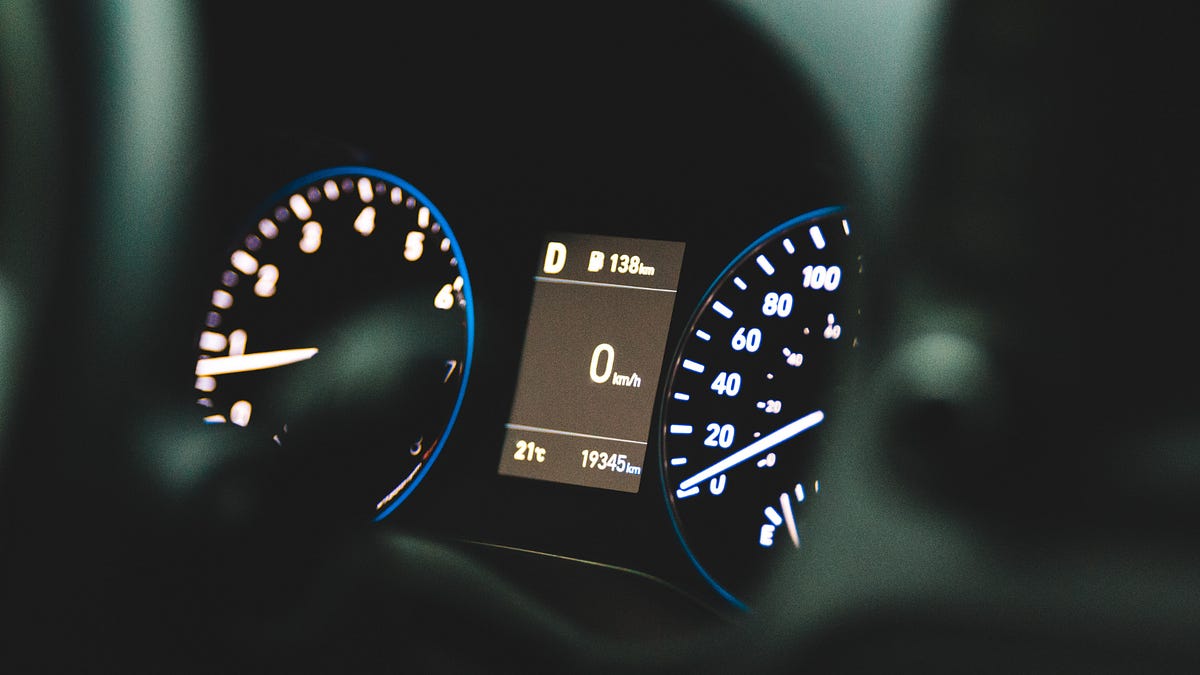
The case centers on GM’s Smart Driver program, a feature bundled with the OnStar vehicle safety service that executives marketed to customers as a tool to improve road safety. Instead, according to an investigation led by state attorneys general, the automaker enrolled millions of drivers between 2016 and 2024 and harvested granular telematics data—including trip start and end times, total distance, speeding instances, and hard braking or acceleration.
Connecticut Attorney General William Tong noted that his office’s probe was among the state’s initial enforcement actions under the Connecticut Data Privacy Act, which passed in 2022 and took effect the following year. More than 100,000 residents in the state may have been affected by the unauthorized data sharing.
How the Smart Driver Program Fed Data Directly to Insurance Rating Systems
Drivers were routinely told that their information would not be shared with insurance companies without explicit consent. In practice, the data went to data brokers like LexisNexis and Verisk.
Insurance companies then tapped those brokers to acquire driving behavior profiles, using the harvested metrics to quietly adjust customer insurance premiums upward. Drivers paid higher rates based on surveillance metrics they never knowingly authorized.
“GM turned private vehicles into mobile insurance surveillance machines without consumer consent or awareness,” Tong said, according to WFSB reporting cited by hoodline.com. “GM profited from the sale of this personal driving data, and consumers paid the price in the form of higher premiums.”
Compounding the disclosure failures, the OnStar app mistakenly told more than 370,000 drivers nationwide that they were not actually enrolled in Smart Driver when they were actively being tracked. GM continued holding onto consumer data even after individuals were removed from the program.
States Secure Millions in Multistate Settlement over Data Sales
Across the United States, more than 10.2 million drivers were impacted by GM’s data collection and sale practices. Connecticut’s $6 million payout is part of the broader $220 million agreement that spans 36 participating states. California previously reached a separate $12.75 million settlement with the automaker in May over the same data practices, which included a five-year ban on selling personal data to brokers.
A GM spokesperson stated that the multistate agreement formally addresses the Smart Driver program, which the company discontinued in 2024. Media reporting had previously exposed the practices, prompting Ars Technica to report that GM stopped sharing Smart Driver data with LexisNexis and Verisk as of March 20, 2024.
Under the terms of the new settlement, GM must obtain explicit affirmative consent from consumers before collecting or disclosing any future driving and location data, strictly limit the total volume of driving data it gathers, and maintain a comprehensive privacy program to safeguard personal information.
GM Reaches $220 Million Settlement Over Selling Drivers' Private Data https://t.co/cgJgN2TrFT
Earlier coverage: GM to pay $220 million in multistate settlement over driver data privacy
More on Smart Driver
GM got slapped from selling your information! General Motors will pay $220 million to settle claims by the attorneys general of 35 states and the District of Columbia that it sold drivers’ location and behavior data to brokers without car owners permission. The settlement follows… pic.twitter.com/Y3dSvwsmmp
GM to pay $220M for selling driver data — including from Pa. drivers — to insurance companies https://t.co/amWAh3Thlr
GM settles $220M lawsuit for allegedly selling private driver data pic.twitter.com/iQoqbE4dtM
GM was accused of secretly selling drivers' location and habit data to insurers via data brokers, affecting millions enrolled in its Smart Driver program. https://t.co/URJZcNWLzk

Eastport Yacht Club recruits lead and Assistant summer Instructors
Eastport Yacht Club Launches 2026 Summer Coaching Recruitment The Eastport Yacht Club in Annapolis, Maryland, is looking to...

USC Aiken Defeats Augusta Volleyball in Four Set PBC Match
Augusta Volleyball dropped a four-set decision to rival USC Aiken on Friday night in Peach Belt Conference action...

Saints Defense Ready to Respond to Shedeur Sanders Comments
Quarterback Shedeur Sanders enters his first start of the season for the Cleveland Browns, bringing extra motivation to...

Man Pleads Guilty to Manslaughter in Killing of Kentucky Teacher at Catholic University
I’m guilty for the death of your son. More than three years after a Kentucky teacher was shot...