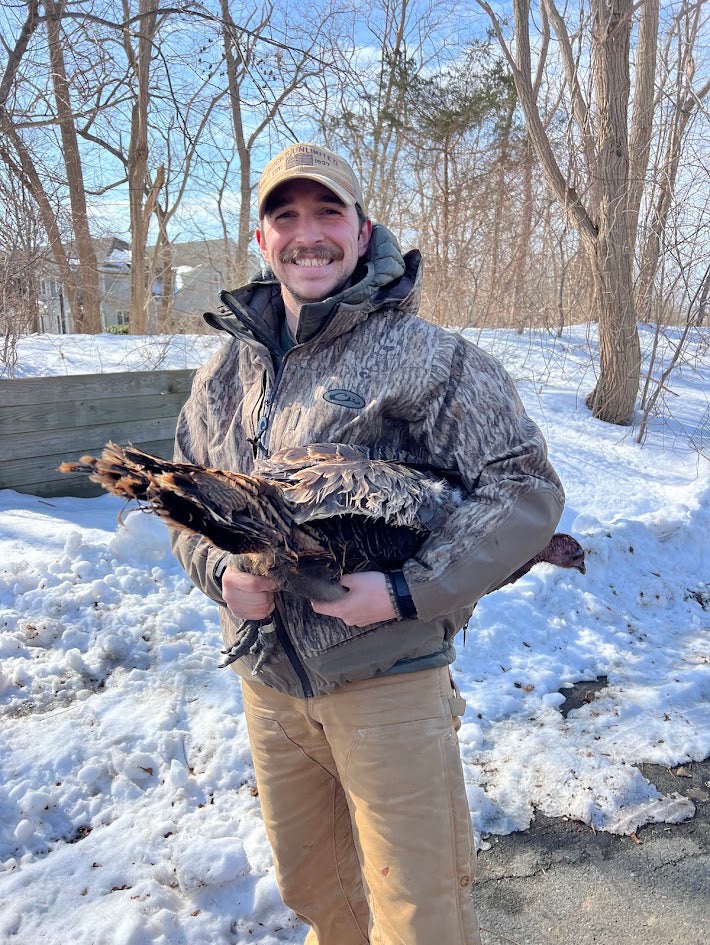
Wild Turkeys Thrive Across Southern New England
Wild turkeys are thriving across Rhode Island and Connecticut with strong reproductive success, according to a recent update from University of Rhode Island researchers.
The update, released on Nov. 9, 2026, details findings from the McWilliams Research Group as Thanksgiving approaches. Dekka Ducote, Chelsea Maione, and Richard Mercer ’21 have spent a year tracking flocks across both states.
Their ongoing work forms part of a larger, five-year study launched last fall by URI’s Department of Natural Resources Science in partnership with the Rhode Island Department of Environmental Management (DEM). Researchers are also collaborating on a three-year study with the Connecticut Department of Energy and Environmental Protection (CTDEEP).
From Near Extinction to Statewide Abundance
Wild turkeys no longer existed in Rhode Island and Connecticut by the early 1800s. Reintroduction efforts spanning from the 1970s into the 1990s reversed that trajectory. Today, the birds occupy every town in Connecticut and all five Rhode Island counties, with the exception of Block Island and Jamestown.
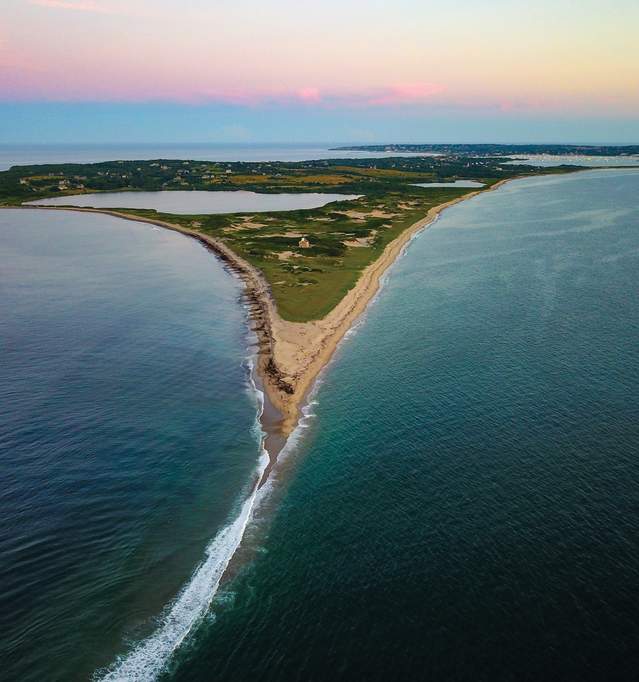
Hunting seasons reopened in both states during the 1980s, and current reports suggest that harvest has remained relatively stable over the last decade. Researchers attribute the population’s resilience to its generalist nature, allowing the birds to adapt to landscapes ranging from state forests and golf courses to suburban neighborhoods and industrial quarries.
Tracking Habits With GPS Technology
Monitoring the birds has revealed distinct behavioral differences between rural and urban populations. Rural turkeys tend to be timid and evasive, requiring hours of field tracking. Urban turkeys, by contrast, have grown habituated to human activity. Field teams frequently observe tagged birds lingering just feet from trucks in city parks and neighborhoods.
Data from solar- and cellular-enabled GPS transmitters deployed in Connecticut have also captured remarkable long-distance movements. One tagged bird traveled 40 miles from its capture site into Massachusetts, while another crossed the Pawcatuck River to reside across the state line in Rhode Island for approximately six months.
Transmitter data further highlights crucial nesting strategies. Hens that successfully raise broods seek out tall-grass fields during the early days after hatching to shield their poults from predators. “The partnership and team effort have been great,” Mercer said regarding the collaborative field operations that involved tagging more than 200 turkeys across Rhode Island last winter with assistance from DEM staff.
Winter Survival Strategies Ahead
As winter approaches, wild turkeys naturally shift their daily routines to conserve energy. Male hormone levels drop sharply during these colder months, significantly reducing aggressive displays toward other turkeys, humans, and reflections on shiny cars.

This hormonal drop encourages birds to merge into large flocks between December and March. The behavior expands field-of-vision protection against predators, helping individuals survive until breeding season resumes in the spring.

Rewards Platform Bilt Announces ‘Next Evolution’ for American Consumers, Small Businesses – Fox Business
Rewards Platform Bilt Expands Into Neighborhood Commerce Rewards platform Bilt announced its transformed Neighborhood OS on Tuesday, expanding...

West Virginia DMV 2026 – App Store – Apple
West Virginia DMV Prep App Adds Smart Review and Mandatory Subscriptions Learner drivers studying for the West Virginia...

UNC hosts Wyoming on Tuesday at Dean E. Smith Center
The North Carolina men's basketball team hosts the Wyoming Cowboys on Tuesday, November 10, at the Dean E....

Over 350 Vehicles Impounded for Reckless Driving by City of Milwaukee in First Year of New Ordinance
Milwaukee Impounds 354 Vehicles in First Year of New Reckless Driving Ordinance More than 350 vehicles involved in...